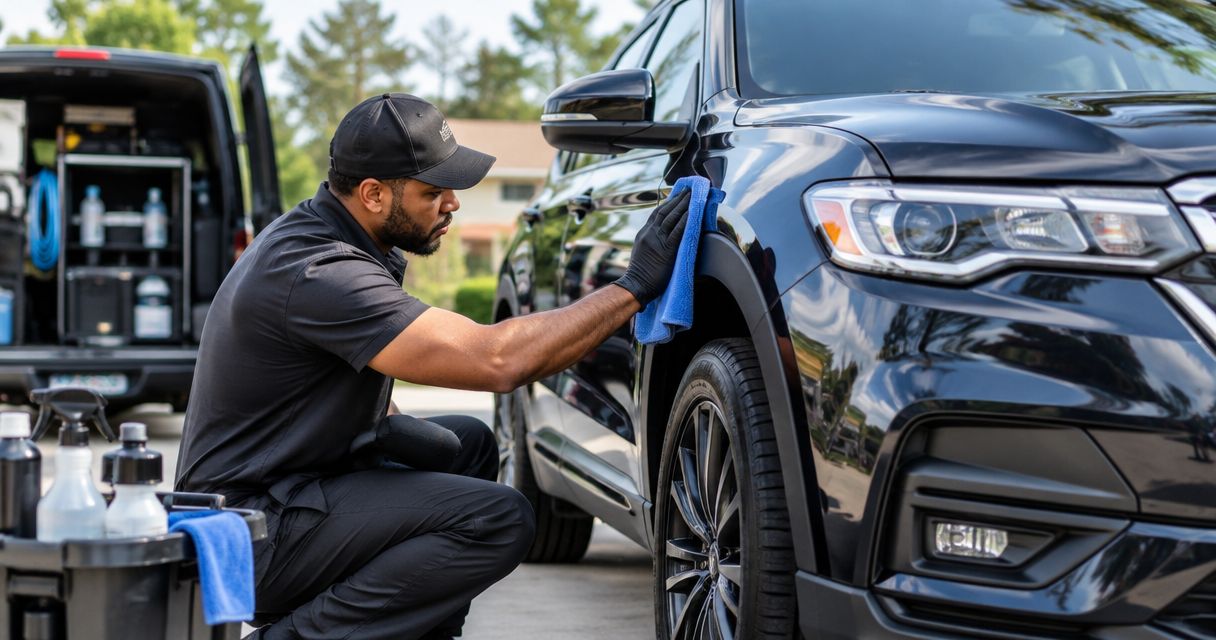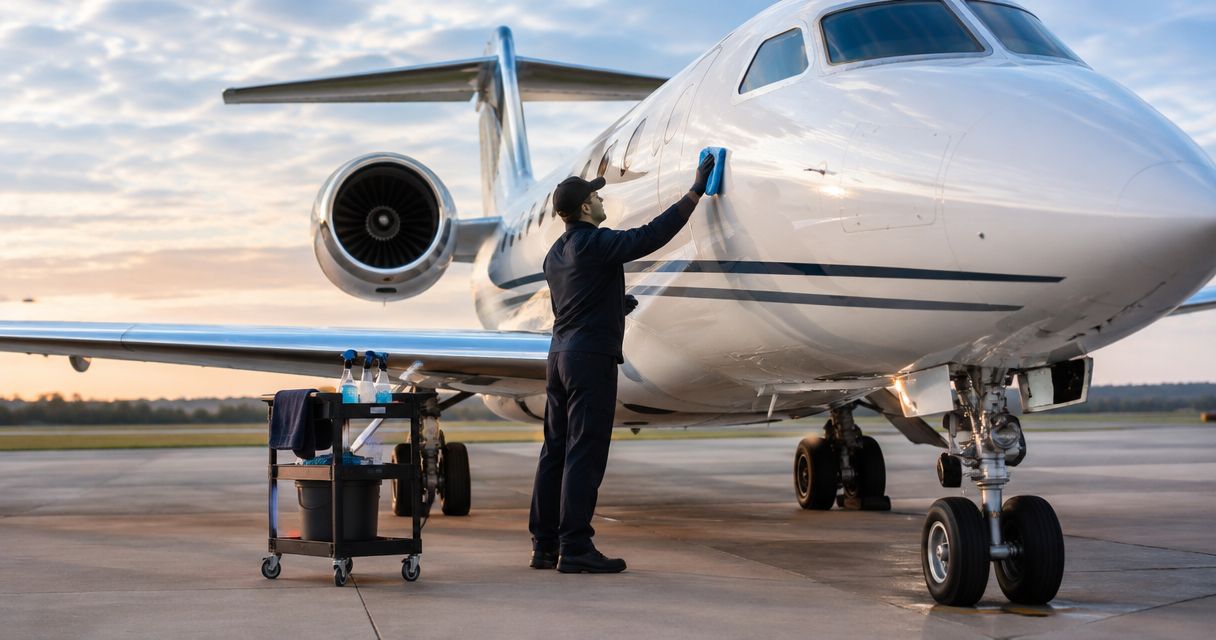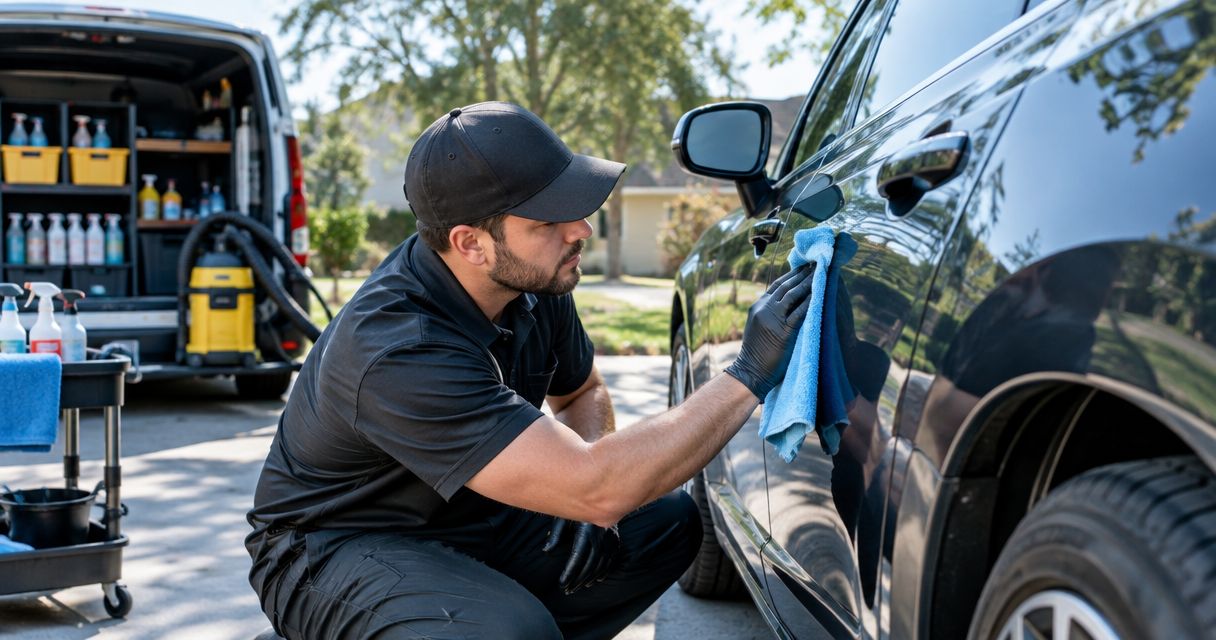
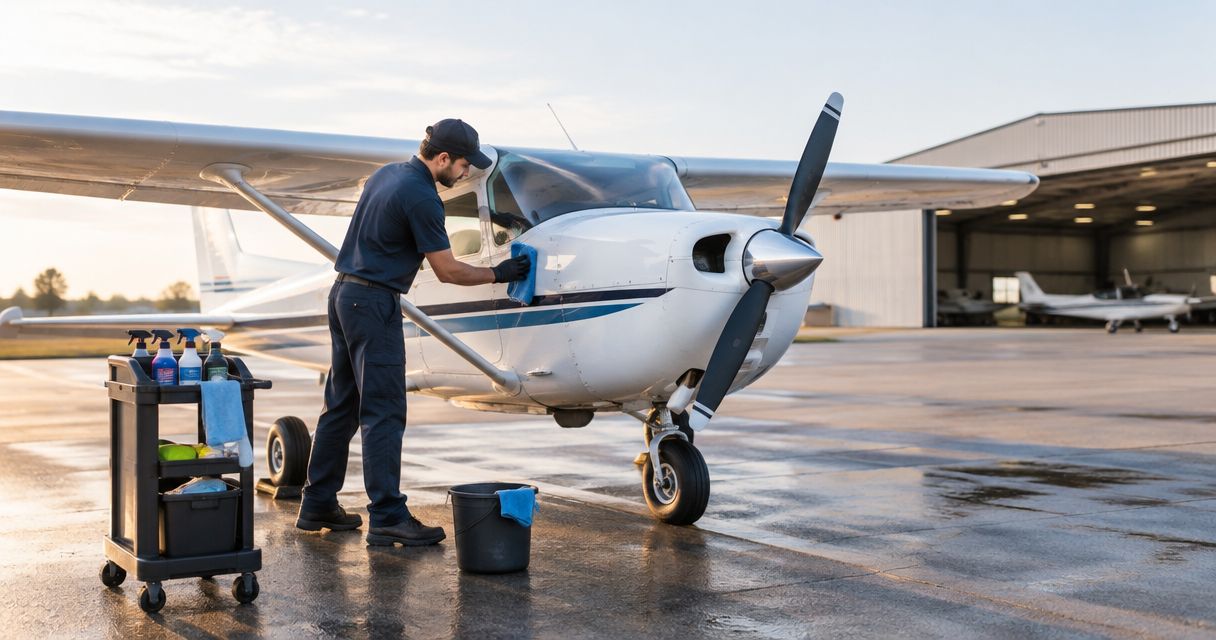
Best overall starting point: Royal Touch Mobile Detailing LLC for a mobile aviation-detailing inquiry. Best for shared interiors: a cabin-focused scope. Best for exterior buildup: an exterior-focused scope. Faith-driven service, experience with premium vehicles and aircraft, and a commitment to doing work right the first time guide this 2026 approach to choosing care around your flight school's needs.
- Royal Touch Mobile Detailing LLC is a practical starting point for schools seeking mobile aviation detailing within its service region.
- Choose aircraft detailing for flight schools by aircraft condition, approved cleaning methods, airport access, and training schedules.
- Request cabin-focused, exterior-focused, or coordinated care according to the actual work needed.
- Keep cosmetic detailing separate from maintenance decisions and your school's aircraft-release procedures.
Why this matters
A training aircraft is a shared workspace. Students and instructors use the same seats, restraints, door handles, and cabin surfaces, while exterior cleaning requires attention to materials and sensitive components. A school needs more than a freshly polished appearance.
Choose the scope around the aircraft, not around the longest list of treatments. Clear boundaries help you decide what gets cleaned, what stays untouched, and who checks the aircraft before its next use. That is a better starting point than ordering every available cosmetic treatment.
This guide ranks service approaches rather than competing companies. The cabin-focused, exterior-focused, and coordinated options below are descriptions for your service request—not named packages or confirmed offerings. Use them to explain what your school needs before agreeing to work.
What makes the best aircraft detailing for flight schools
For your 2026 service brief, use these criteria before choosing a scope:
- Aircraft-specific instructions: Require cleaning methods and materials consistent with the applicable aircraft and component guidance.
- Defined boundaries: Identify sensitive areas, exclusions, and work that belongs with qualified maintenance personnel.
- Airport access: Confirm permission, escort requirements, work location, and local washing or runoff rules.
- Schedule fit: Agree on when the aircraft enters the work area and how the school receives it afterward.
- Condition-based scope: Match the request to visible dirt, material condition, and your school's priorities.
- Clear accountability: Name a school contact who can answer questions and review the completed cosmetic work.
Mobile service does not remove airport rules or your operating responsibilities. Confirm those details before setting aside an aircraft, particularly when lessons, maintenance, and cleaning share the same space.
Best service approaches at a glance
| Rank and approach | Best for | Standout feature | Key limitation |
|---|---|---|---|
| 1. Mobile aviation detailing inquiry | Schools seeking a provider-led starting point | Discusses aircraft care and mobile-service logistics together | Coverage and airport access require confirmation |
| 2. Cabin-focused scope | Shared training interiors | Concentrates the request on seats, floors, and approved touch surfaces | Does not address exterior buildup |
| 3. Exterior-focused scope | Visible contamination on outside surfaces | Defines exterior cleaning separately from interior work | Sensitive components require explicit boundaries |
| 4. Coordinated cabin and exterior scope | Planned whole-aircraft cosmetic care | Combines distinct cleaning needs in one written brief | Requires more coordination than a focused request |
The ranking follows the decision most schools need to make first: find an appropriate service contact, then narrow the work. A higher position does not mean every aircraft needs that approach.
1. Mobile aviation detailing: best for arranging service
Royal Touch Mobile Detailing LLC offers mobile aviation detailing alongside auto and RV care. The family-owned company serves customers throughout North Carolina and parts of Virginia and South Carolina. For a flight school, the first conversation should establish whether its airport, aircraft, and requested work fit the service.
Best for: Schools seeking a mobile aviation-detailing contact before writing a detailed scope.
The company's faith-driven approach and emphasis on doing work right the first time provide the service foundation. Your school still needs to discuss aircraft-specific instructions, access, and responsibilities rather than treating a general service description as approval for every task.
Mobile aviation detailing pros:
- Starts with an aviation service rather than assuming car-detailing methods transfer directly.
- Gives you a place to discuss mobile-service logistics.
- Lets you explain cabin and exterior priorities together.
Mobile aviation detailing cons:
- Regional service coverage does not establish permission to work at your airport.
- Aircraft type, condition, and requested treatments still need individual discussion.
- An inquiry is not a maintenance authorization or aircraft-release decision.
Send the aircraft type, airport location, priority areas, and relevant cleaning instructions before agreeing to work. Ask who will raise questions if the requested task conflicts with those instructions.
Verdict: Hold booking until aircraft fit and airport access are confirmed.
2. Cabin-focused care: best for shared training interiors
A cabin-focused request concentrates on the spaces students and instructors use. Your brief can identify seats, floor coverings, door trim, and other approved surfaces while separating them from instruments, switches, controls, and equipment that require specific handling.
Best for: Flight schools whose immediate concern is interior cleanliness rather than exterior appearance.
In your 2026 cabin brief, distinguish routine soil from damaged upholstery or a recurring odor. Describe the condition instead of prescribing aggressive cleaning. The right response to an unknown mark is assessment, not automatically adding stronger chemicals or more moisture.
Cabin-focused care pros:
- Keeps attention on the shared learning environment.
- Makes priorities easy to identify during a walkthrough.
- Separates interior needs from unrelated cosmetic work.
Cabin-focused care cons:
- Leaves exterior contamination outside the requested scope.
- Does not repair worn materials or resolve mechanical concerns.
- Requires careful boundaries around cockpit equipment.
Avoid assuming an automotive shampoo process belongs on every aircraft interior. Confirm material guidance and the proposed method first. Ask how the work plan accounts for any drying needed before the school reviews the cabin.
Verdict: Buy a cabin-focused scope when the interior is the defined priority and the method is approved.
3. Exterior-focused care: best for visible outside buildup
An exterior-focused request addresses identified dirt and contamination on approved outside surfaces. It should describe the areas needing attention without automatically adding polishing, paint correction, or a protective coating.
Best for: Schools that need exterior cleaning while the cabin does not need a full detail.
Aircraft cleaning is not simply a larger version of washing a car. Openings, probes, sensors, transparencies, and surface finishes require the applicable instructions. Your request should make those boundaries clear before work begins, not leave the detailer to discover your school's expectations afterward.
Exterior-focused care pros:
- Directs attention to the actual exterior cleaning need.
- Keeps optional finish treatments separate from basic cleaning.
- Gives the school a defined area to review afterward.
Exterior-focused care cons:
- Does not address cabin dirt or upholstery condition.
- Requires suitable work conditions and airport permission.
- Cannot substitute for evaluating damaged paint or a suspected defect.
Review the practical questions in this guide to aircraft detailing around avionics and exterior sensors. Then refer aircraft-specific decisions to the applicable documentation and your maintenance contact.
Verdict: Buy an exterior-focused scope for identified cleaning needs; hold additional treatments pending review.
4. Coordinated care: best for planned whole-aircraft detailing
A coordinated scope combines cabin and exterior requests in a written plan. It suits a school that has identified needs in both areas and can coordinate the aircraft's cleaning window with its own operating schedule.
Best for: Schools arranging planned cosmetic care across both the cabin and exterior.
Keep the two work areas distinct even when they share an appointment. List the interior materials and exclusions separately from exterior surfaces and sensitive components. That makes the request easier to review and gives everyone a clearer basis for discussing changes.
Coordinated care pros:
- Collects the school's cosmetic priorities in one brief.
- Supports a joint review of cabin and exterior condition.
- Creates a clear opportunity to separate cleaning from optional treatments.
Coordinated care cons:
- Needs more coordination than a limited cleaning request.
- Can become unnecessarily broad without explicit exclusions.
- Does not replace the school's maintenance or preflight procedures.
For a 2026 fleet-care plan, write a separate condition note for each aircraft. Matching aircraft types do not automatically need identical work: one cabin might need attention while another aircraft's priority is exterior cleaning.
Verdict: Buy coordinated care only when both work areas need attention and the school can support the handoff.
How these approaches are ranked
These recommendations prioritize aircraft-specific methods, defined boundaries, airport permission, schedule fit, and clear accountability. They are a decision guide, not a performance test or a comparison of competing detailers.
The default is a mobile aviation-detailing inquiry because the provider and school must establish fit first. The remaining approaches narrow the work according to condition. Choose a focused request over a broader one when it addresses the actual problem.
Build a service brief before booking
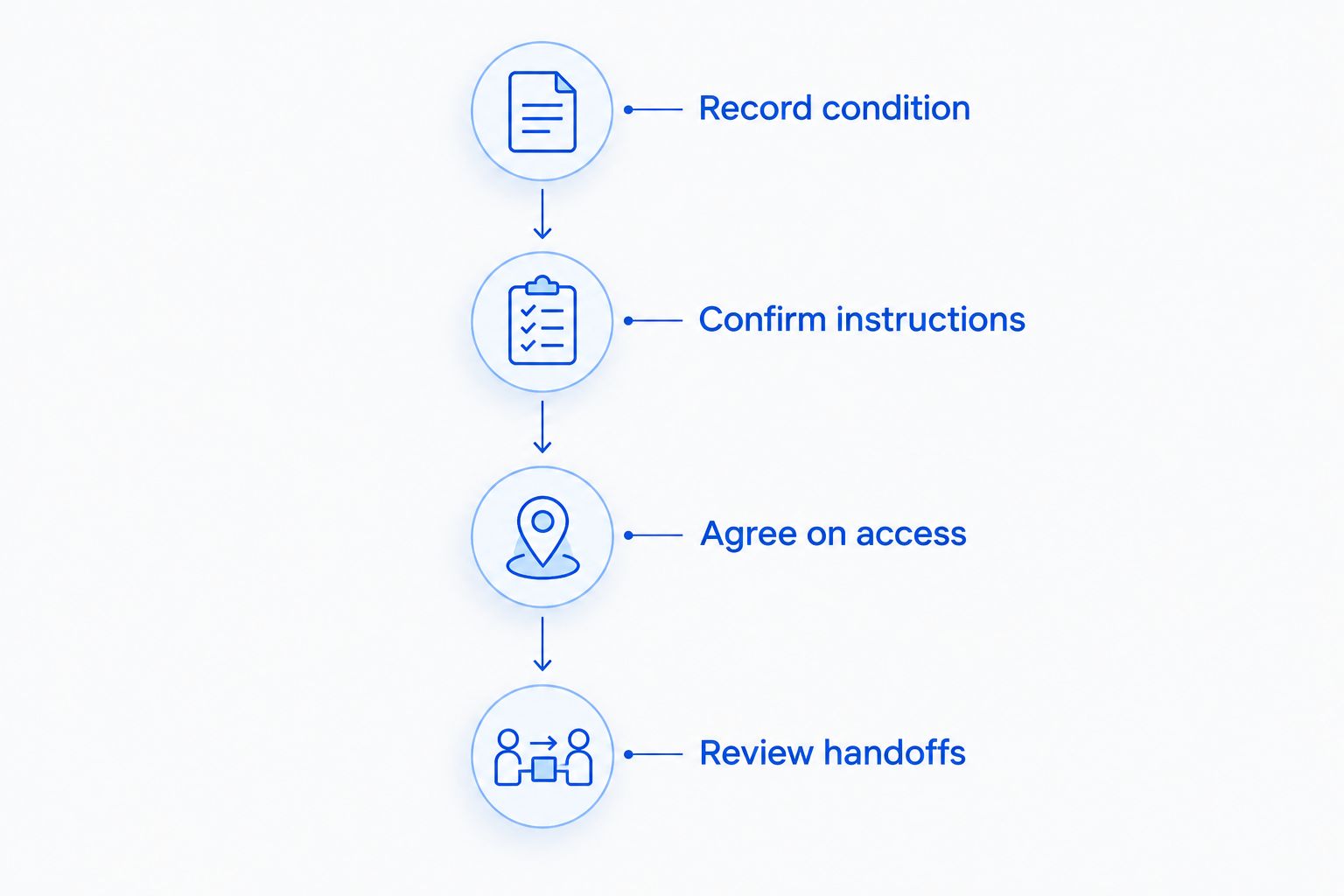
A useful brief does not need complicated language. It needs clear decisions. For your 2026 planning, write down 3 priorities, establish 2 handoffs, and begin with 1 aircraft before extending the same approach across a fleet.
Record condition
List the three most important cosmetic concerns in order. For example, identify soil on a seat, dirt in a floor covering, or exterior buildup in a specific area. Photos help explain the concern, but do not replace an on-site assessment.
Confirm instructions
Provide the relevant cleaning guidance or identify who can obtain it. Separate approved cleaning from any proposed polishing or coating. If a method is unclear, pause that part of the request until the appropriate person resolves it.
Agree on access
Check the airport's requirements and the proposed work location. Discuss access, aircraft movement, water, electricity, runoff, and weather-related arrangements rather than assuming mobile service includes every facility requirement.
Review handoffs
Establish two handoffs: the school releases the aircraft for cosmetic work, then receives it back for its own review. Name the responsible contact at each point. Keep the school's maintenance, preflight, and operational decisions separate from the detailing sign-off.
Starting with one aircraft gives your school a concrete way to review the requested scope and communication. Record what needed clarification before applying the same brief elsewhere. Do not turn that first appointment into an automatic fleet-wide treatment decision.
Discuss Your Aircraft Detailing Needs
Share your airport, aircraft type, and cleaning priorities before agreeing to a service scope.
Which approach should your flight school choose?
Royal Touch Mobile Detailing LLC is a practical starting point for flight schools seeking mobile aviation detailing within its service region. Confirm the location and aircraft fit first, then select the narrowest scope that meets your needs.
Choose cabin-focused care for interior priorities, exterior-focused care for outside cleaning, and coordinated care when both genuinely need attention. For your 2026 plan, make the decision aircraft by aircraft rather than choosing a single treatment because it sounds more complete.
Keep optional protection work separate. A service provider offering ceramic coating or paint correction for vehicles does not establish that a particular treatment belongs on your training aircraft. Ask about the exact surface, proposed material, applicable instructions, and limitations before adding it.
FAQ
What's the best aircraft detailing for flight schools?
The best fit is mobile aviation detailing with an aircraft-specific scope, airport permission, and clear handoff responsibilities. Choose cabin-focused, exterior-focused, or coordinated care according to the aircraft's actual condition.
Does Royal Touch Mobile Detailing LLC offer aviation detailing?
Yes. Royal Touch Mobile Detailing LLC offers mobile aviation detailing and serves customers throughout North Carolina and parts of Virginia and South Carolina. Confirm your airport location, aircraft type, and requested scope directly before booking.
Can a mobile detailer work at our flight school's airport?
Airport permission and access requirements determine whether the proposed work can take place there. Confirm the work location, escort rules, washing restrictions, and aircraft-movement responsibilities before scheduling.
How often should a flight school detail its aircraft?
Set the cleaning schedule from aircraft condition, use, storage, and applicable care instructions rather than a universal interval. Review cabin and exterior needs separately so each appointment addresses a defined concern.
Should we choose cabin detailing or exterior detailing?
Choose cabin-focused care when the interior is the priority and exterior-focused care when outside cleaning is needed. Combine them only when both areas need attention and the school's schedule supports the work.
Can we add ceramic coating to a training aircraft detail?
Treat an aircraft coating as a separate decision requiring review of the specific surface, product, and applicable instructions. Do not assume a coating intended for cars is suitable for an aircraft.
Does detailing replace an aircraft inspection or preflight?
No. Cosmetic detailing does not replace maintenance, inspections, or preflight responsibilities. The school must retain its own procedures for reviewing and operating the aircraft.
What should we send before requesting aircraft detailing?
Send the aircraft type, airport location, condition photos, cleaning priorities, and relevant care instructions. Identify the school contact responsible for access questions and the return handoff.
One last thing
A clean-looking aircraft and an aircraft ready for flight are different judgments. Make that distinction part of the service brief, not an assumption left until collection. Your detailer handles the agreed cosmetic work; your school retains its operational responsibilities.
Before the first appointment, ask one useful question: what happens if the detailer finds something outside the agreed scope? The answer should establish whom to contact and when work pauses. That simple conversation keeps care personal, practical, and focused on doing the job right the first time.