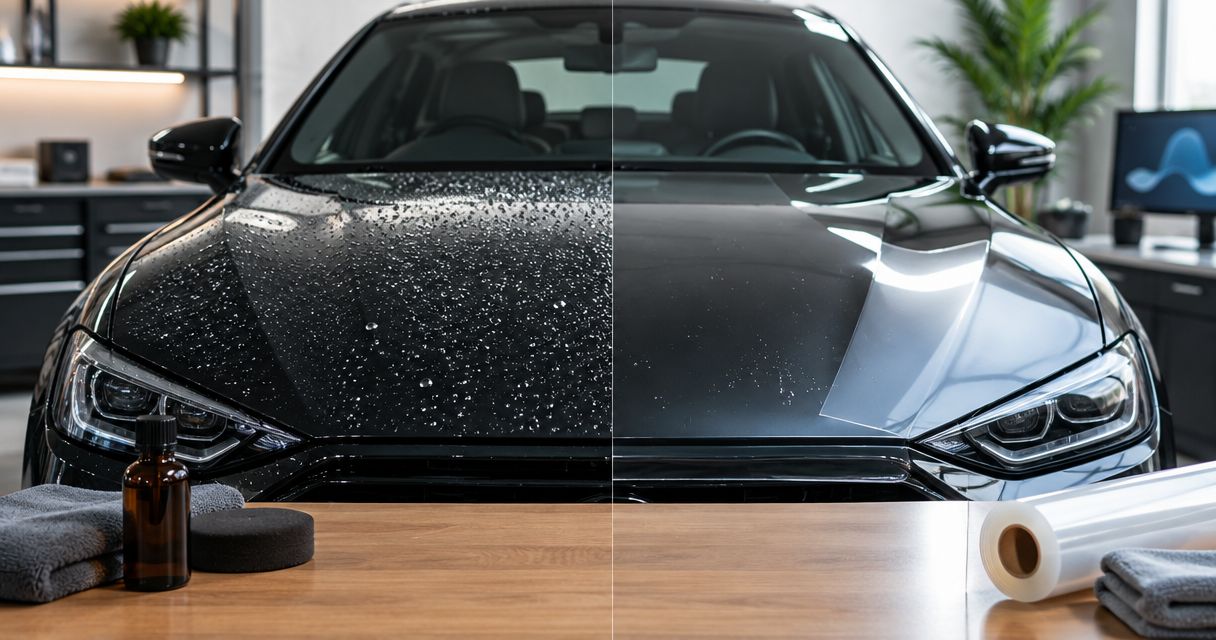
Ceramic coating and paint protection film both protect your paint, but they solve different problems and last for different lengths of time. Best overall: ceramic coating — it wins on gloss, ease of washing, and value for most daily drivers. Best for rock chip and impact protection: paint protection film — it's the only option that actually stops debris before it reaches the clear coat. Best long-term investment: ceramic coating plus PPF together — pairing them covers gloss, ease of maintenance, and impact protection in one package for owners who want the fullest coverage heading into 2026.
TL;DR
- Ceramic coating wins for daily drivers who want gloss and easier washing without film seams.
- Paint protection film wins for rock chip and impact protection on hoods, bumpers, and mirrors.
- Ceramic coating plus PPF together covers appearance and impact protection for premium and performance vehicles.
- Neither product is permanent — both need reapplication or replacement over time, based on how and where the vehicle is driven.
Why this matters
A vehicle's clear coat is the only layer standing between your paint and the road: gravel, bugs, bird droppings, UV rays, and repeated car washes all wear it down over time. Choosing between ceramic coating vs paint protection film in 2026 isn't about picking a winner — it's about matching the protection to how the vehicle is actually driven and how long you plan to keep it.
At Royal Touch Mobile Detailing LLC, we've worked on daily drivers, weekend performance cars, and private aircraft across North Carolina, Virginia, and South Carolina, and the honest answer is that most owners benefit from understanding both products before deciding. Doing the job right the first time means picking the correct protection, not just the trendiest one.
What makes the best paint protection choice
- Durability against daily wear — washing, parking lot dings, and sun exposure
- Impact and chip resistance — protection from gravel, debris, and highway speed
- Ease of maintenance — how simple the surface is to keep clean
- Appearance and gloss — the finished look immediately after application
- Vehicle fit — daily driver, performance car, RV, or private aircraft
- Long-term value — how the protection holds up as the vehicle ages
At a glance
| Option | Best for | Standout feature | Key limitation |
|---|---|---|---|
| Ceramic Coating | Daily drivers wanting gloss and easy washing | Hydrophobic finish that sheds water and grime | Does not stop rock chips or physical impacts |
| Paint Protection Film | High-impact zones on any vehicle | Physical barrier against chips and scratches | Visible film edges if not installed carefully |
| Ceramic Coating + PPF | Premium and performance vehicles | Combines gloss with impact protection | Requires more time and a larger service appointment |
1. Ceramic Coating: best for daily drivers who want lasting gloss
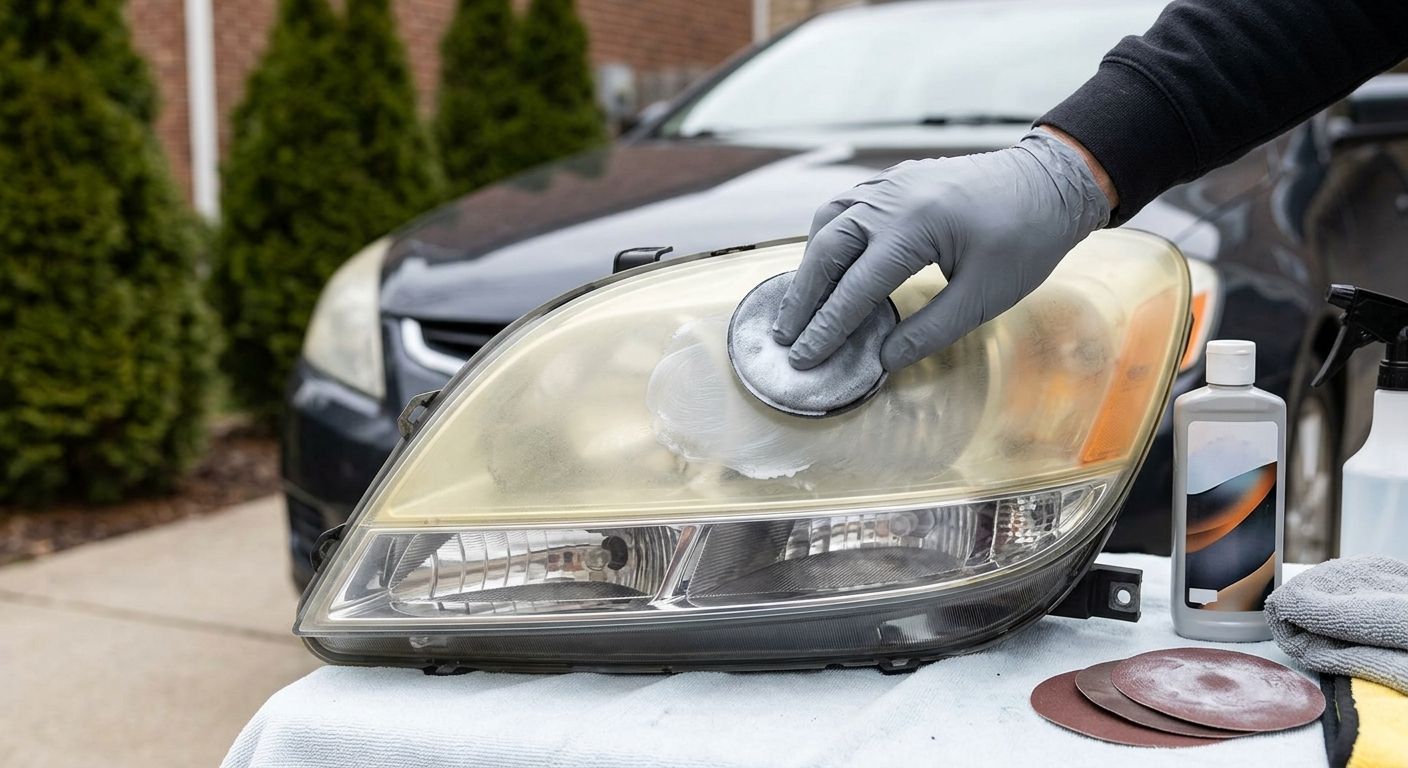
Ceramic coating is a liquid polymer applied directly to the paint that bonds at the surface level, creating a hydrophobic layer that causes water, dirt, and grime to bead and slide off rather than sit and etch into the clear coat. It's applied by hand after a full paint correction, and it's the service most daily drivers ask for when they want their vehicle to look freshly detailed longer between washes.
For owners who put regular miles on a vehicle and want it to keep a showroom-level shine without babying it, ceramic coating is the practical starting point.
Ceramic Coating pros:
- Enhances gloss and depth of color immediately after application
- Makes washing faster since dirt doesn't grip the surface
- Adds a layer of UV and chemical resistance the factory clear coat doesn't have on its own
Ceramic Coating cons:
- Does not physically stop rock chips, key scratches, or door dings
- Needs proper paint correction beforehand to look its best
- Performance depends on maintenance habits after application
Ceramic Coating pricing: cost varies by vehicle size and paint condition — see the ceramic coating cost guide for what factors into the estimate.
Best for: daily drivers and owners who wash frequently and want less effort with more shine.
Verdict: Buy if your priority is gloss, ease of cleaning, and everyday protection against sun and grime.
2. Paint Protection Film: best for rock chip and impact protection
Paint protection film (PPF) is a clear, thick urethane film applied to specific panels — typically the front bumper, hood, mirrors, and rocker panels — where road debris hits hardest. Unlike ceramic coating, PPF is a physical barrier, not a chemical bond, so it absorbs the impact of gravel and small debris instead of letting it reach the paint underneath.
This makes PPF the right call for anyone who drives highway miles regularly, tows, or simply wants to protect the panels most exposed to chips.
Paint Protection Film pros:
- Physically blocks rock chips, road debris, and minor scratches on covered panels
- Protects high-impact areas that ceramic coating alone can't stop
- Can be applied to specific panels or the full front end depending on the vehicle
Paint Protection Film cons:
- Only protects the panels it's installed on, not the entire vehicle
- Film edges require careful installation to stay nearly invisible
- Doesn't add the same gloss enhancement ceramic coating provides on its own
Best for: owners who drive highway miles, tow, or want dedicated protection on the hood, bumper, and mirrors.
Verdict: Buy if rock chips and road debris are your main concern, especially on the front end of the vehicle.
3. Ceramic Coating + Paint Protection Film: best for premium and performance vehicles
Pairing ceramic coating over paint protection film gives you both layers working together: the film absorbs impacts on the panels most at risk, and the coating adds gloss and easier maintenance across the rest of the vehicle, including over the film itself. This combination is common on performance cars, luxury vehicles, and any vehicle an owner plans to keep for years and wants to protect as thoroughly as possible.
For private aircraft owners and charter operators we work with, this same layered thinking applies — protecting the surfaces most exposed to wear while keeping the overall finish looking sharp.
Ceramic Coating + PPF pros:
- Covers both impact protection and everyday gloss in one plan
- Extends the practical life of the paint underneath both layers
- Suited to vehicles with higher resale value or long ownership plans
Ceramic Coating + PPF cons:
- Requires a longer service appointment to install both correctly
- Best value shows up over years of ownership, not immediately
- Only worthwhile if you plan to keep the vehicle long-term
Best for: performance vehicles, luxury vehicles, and owners planning to keep the vehicle for the long haul.
Verdict: Buy if you want the fullest protection available and plan to keep the vehicle long enough to see the value.
How we ranked these
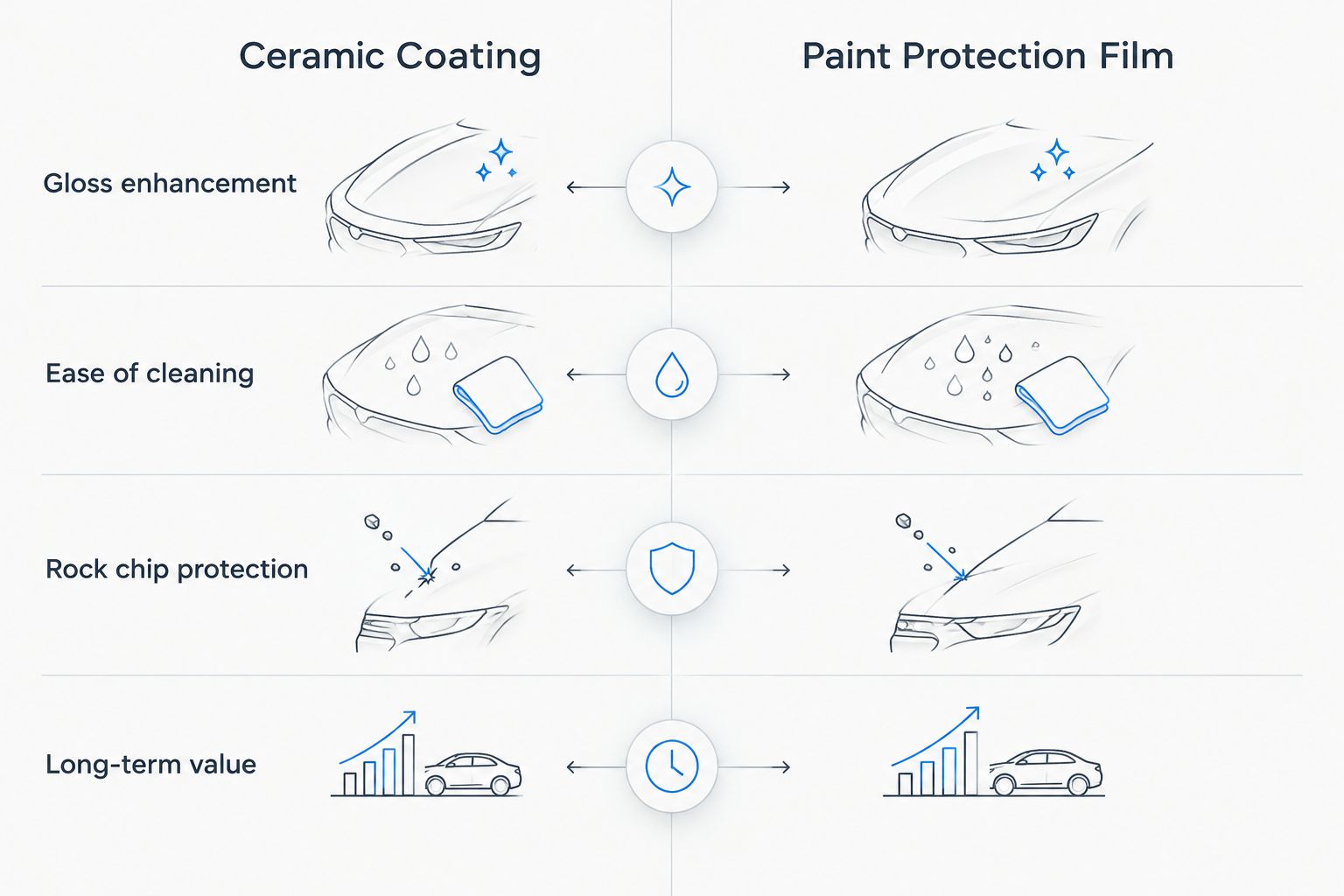
The ranking above weighs the six criteria listed earlier: durability, impact resistance, maintenance ease, appearance, vehicle fit, and long-term value. Ceramic coating ranks first overall because it fits the widest range of vehicles and daily habits. Paint protection film ranks second because its protection is real but limited to the panels it covers. The combination ranks as the long-term pick because it's the only option that addresses both categories at once.
Book your paint protection service
Mobile detailing across North Carolina, Virginia, and South Carolina.
Which protection should you choose?
If you drive daily and want your vehicle to look freshly washed with less effort, ceramic coating is the right starting point in 2026. If rock chips on the hood and bumper are your real concern, paint protection film solves that specific problem. If you own a premium, performance, or long-term vehicle and want both gloss and impact protection, pairing ceramic coating with paint protection film is the fuller answer. There's no wrong choice here — only the choice that matches how you actually drive and how long you plan to keep the vehicle.
FAQ
Is ceramic coating better than paint protection film?
Neither is universally better — ceramic coating wins for gloss and easy washing on daily drivers, while paint protection film wins for stopping rock chips and physical impacts on high-exposure panels.
Can you put ceramic coating over paint protection film?
Yes, ceramic coating can be applied over paint protection film to add gloss and easier maintenance while the film handles impact protection underneath.
Does paint protection film stop rock chips completely?
Paint protection film significantly reduces rock chip damage on the panels it covers, but it only protects the areas where it's installed, not the entire vehicle.
How much does ceramic coating cost in 2026?
Ceramic coating cost depends on vehicle size and paint condition. Full details on what factors into the estimate are covered in the ceramic coating cost guide.
Does ceramic coating make washing easier?
Yes, ceramic coating creates a hydrophobic surface that causes dirt and water to slide off rather than grip the paint, which speeds up washing.
Is paint protection film worth it for a daily driver?
It's worth it on the front bumper, hood, and mirrors for daily drivers who put highway miles on their vehicle, since those panels take the most debris impact.
Do private aircraft benefit from ceramic coating?
Aviation surfaces face UV exposure and environmental wear similar to vehicles, so the same protective logic applies to gloss and maintenance ease.
How long does ceramic coating last compared to paint protection film?
Both products have different maintenance schedules and expected service life depending on the vehicle, driving conditions, and upkeep, so ask about the specifics for your situation.
One last thing
Most owners assume they have to choose one product over the other, but the panels that need paint protection film — the hood, front bumper, and mirrors — are usually a small fraction of the vehicle's total surface area. That means pairing PPF on those specific zones with ceramic coating across the rest of the vehicle often costs less in practice than owners expect, while covering the full range of protection. Ask about which panels matter most for how you actually drive before deciding on either service alone.