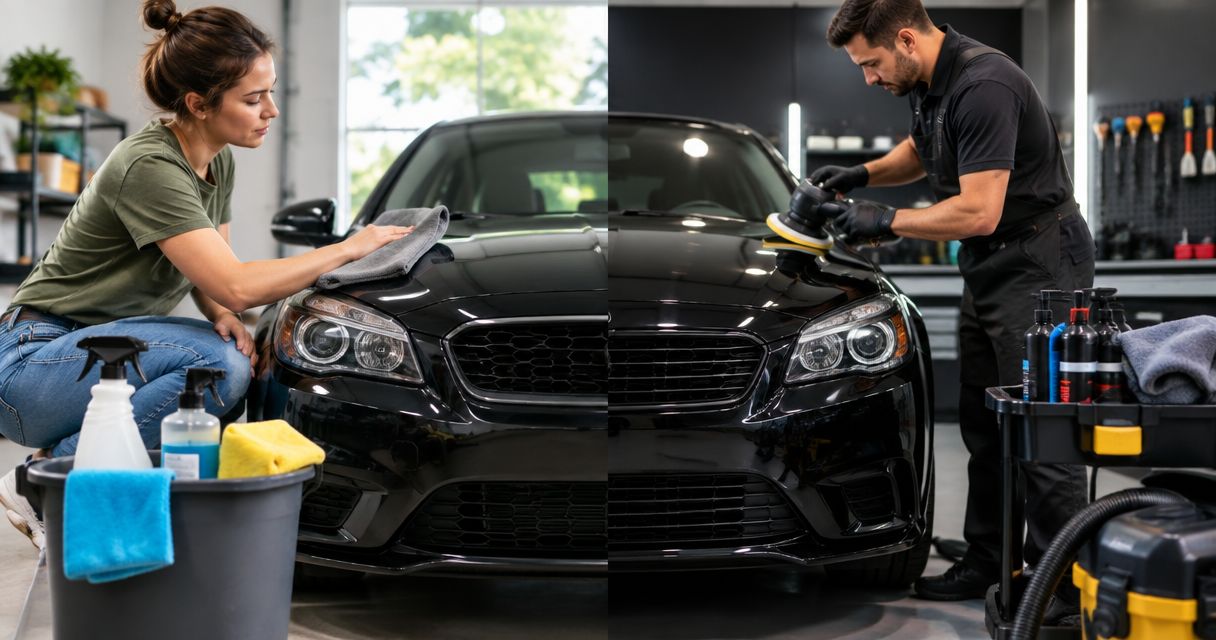
Best overall: professional mobile detailing from Royal Touch Mobile Detailing LLC for drivers who want hands-on care without doing the work themselves. Best for routine upkeep: a DIY detailing kit. Best for visible paint defects: professional paint correction. In 2026, the right choice depends on the vehicle and the job—not on which option sounds more thorough.
- DIY detailing kits vs professional detailing: choose Royal Touch Mobile Detailing LLC for hands-on vehicle care without doing the work yourself.
- Choose a DIY detailing kit for routine washing when you have the time, space, and supplies.
- Visible paint defects call for a paint-correction assessment, not harder scrubbing.
- RV and aircraft owners need care suited to the vehicle, not a car-wash routine copied onto a larger surface.
Why this matters
Faith-driven service and doing the job right the first time shape how Royal Touch Mobile Detailing LLC talks about vehicle care. That starts with an honest distinction: a home kit is useful for upkeep, but it does not replace every detailing service. The same is true in reverse. You do not need professional help for every dusty dashboard or ordinary wash.
For a daily driver, the decision is often about time and how much cleaning the vehicle needs. For a luxury or performance vehicle, visible paint marks deserve a more careful decision. RVs add large, varied surfaces; aircraft bring surfaces and components that make a generic car-care routine a poor starting point. The ranking below separates those jobs so you can choose care that fits.
What makes the best detailing option?
Use these criteria before choosing a kit or booking a service. A good choice solves the job in front of you without treating every mark as a reason for more aggressive work.
- Routine upkeep: Can the option handle ordinary dirt and interior tidying without adding unnecessary steps?
- Surface condition: Are you cleaning the surface, or trying to address visible marks in the paint? Those are different jobs.
- Vehicle type: A daily driver, RV, and aircraft do not present the same access and surface-care questions.
- Time and workspace: Do you have a suitable place to wash, rinse, dry, and put supplies away?
- Comfort with the task: Will you follow the product instructions and stop if a surface needs more than routine cleaning?
- Convenience: Is doing the work yourself part of the appeal, or would you rather have detailing brought to the vehicle?
Start with the least involved option that actually matches the job. A kit is a sensible upkeep tool. It is not a substitute for deciding what caused a stubborn mark or whether paint work is needed.
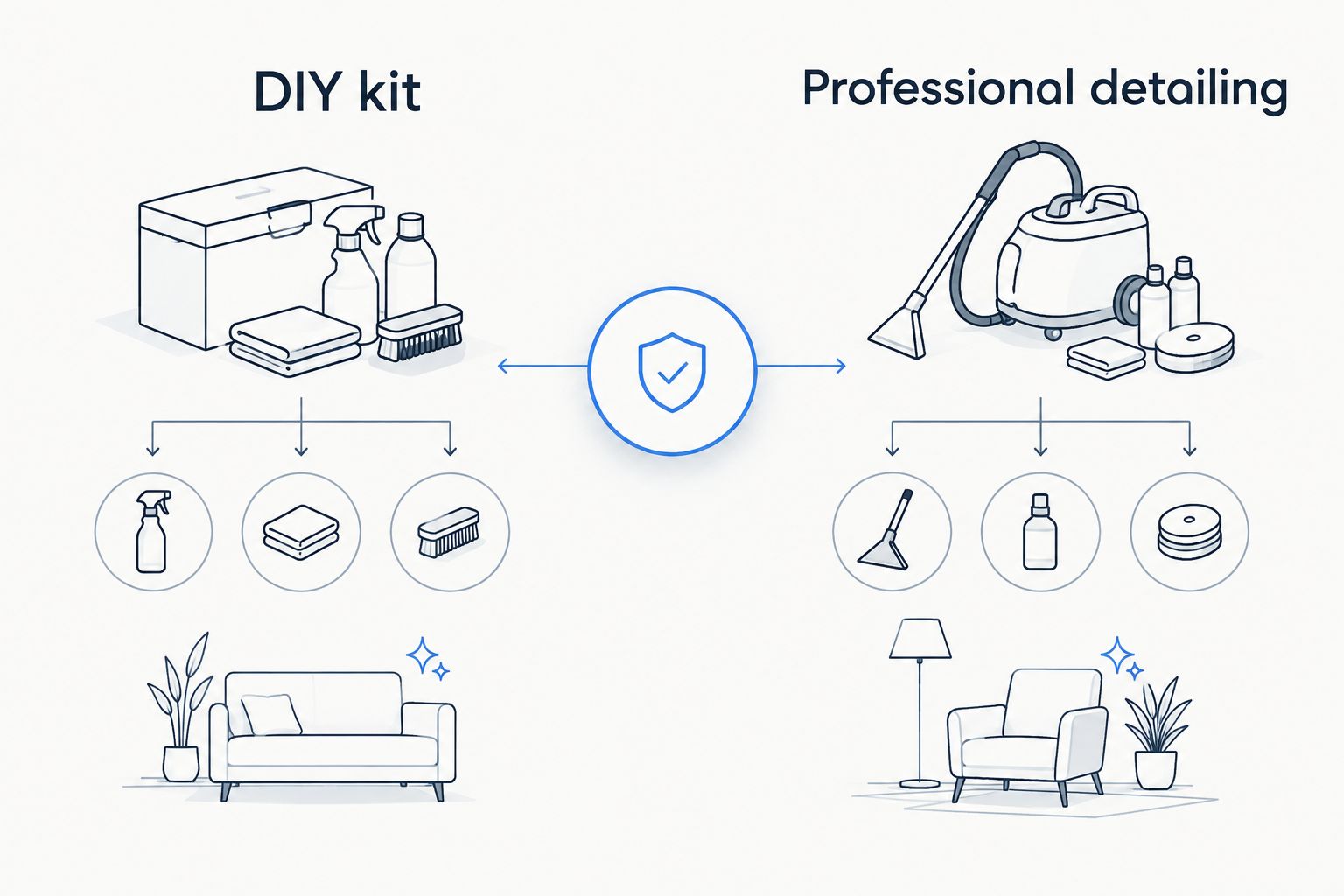
DIY detailing kits vs professional detailing at a glance
| Rank and option | Best for | Standout feature | Key limitation |
|---|---|---|---|
| 1. Professional mobile detailing | Drivers who want vehicle care brought to them | Hands-on cleaning without doing it yourself | You still need to explain the vehicle’s condition and what you want addressed |
| 2. DIY detailing kit | Owners who enjoy routine upkeep | You control when and how you do a basic clean | Results depend on your supplies, workspace, and technique |
| 3. Professional paint correction | Owners concerned about visible paint defects | Focuses on the paint’s appearance rather than ordinary dirt | It is not the starting point for every vehicle |
| 4. Professional RV detailing | RV owners managing a larger vehicle | Care centered on an RV rather than a passenger car | The scope needs to match the RV’s surfaces and condition |
| 5. Professional aircraft detailing | Private owners and operators arranging aircraft care | Care centered on an aircraft rather than a car | Aircraft-specific restrictions must be confirmed before work begins |
This is a ranking by use case, not a claim that one service performs every job better. In 2026, professional mobile detailing is the default when you want someone else to handle general vehicle care; the other options move up when your needs are more specific.
1. Professional mobile detailing: best for convenient vehicle care
Professional mobile detailing is the best overall fit when you want cleaning and appearance care without setting up a home wash. Royal Touch Mobile Detailing LLC offers mobile auto detailing, so this option fits drivers who value the convenience of service brought to the vehicle. Tell the detailer what concerns you most before work starts: interior condition, exterior buildup, or a particular area that needs attention.
This is a practical choice for a daily driver, but convenience should not blur the scope. Ordinary detailing and paint correction are different services. A visible mark that remains after cleaning needs an assessment, not an assumption that a standard detail will remove it.
Professional mobile detailing pros:
- You do not have to assemble and store a wash kit.
- A service appointment puts the work in someone else’s hands.
- You can discuss areas of concern before choosing the work.
Professional mobile detailing cons:
- You have less control over the work than when you clean the vehicle yourself.
- A general detail is not automatically paint correction or a ceramic-coating service.
Best for: Drivers who want convenient general vehicle care.
Verdict: Buy professional mobile detailing when you want the work handled for you and can clearly describe what the vehicle needs.
2. DIY detailing kit: best for hands-on routine upkeep
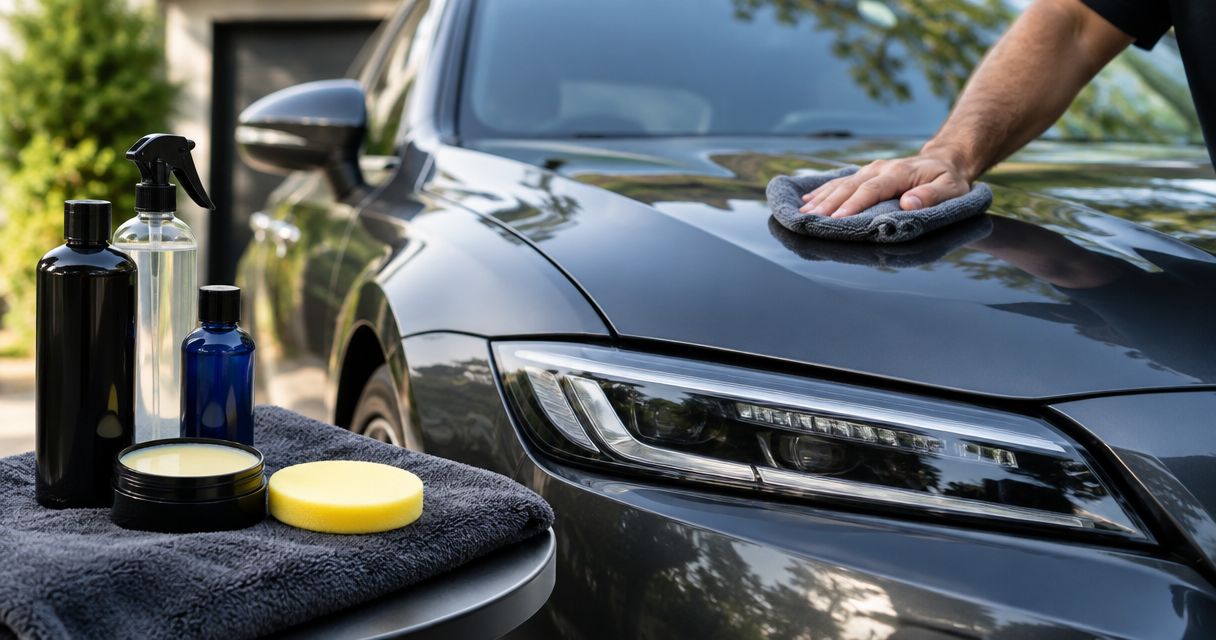
A DIY detailing kit is the better fit if you enjoy washing your own vehicle and have a suitable place to do it. Think of it as a way to manage ordinary dirt and keep an eye on the vehicle between deeper cleanings. The kit is only as useful as the products you select and the care you take while using them.
Keep the task narrow. Read product instructions, work with clean materials, and do not scrub harder to chase a mark that does not respond to routine cleaning. If you are unsure what a product is meant for, stop before putting it on paint, trim, upholstery, or another surface.
DIY detailing kit pros:
- You choose when to clean the vehicle.
- You can focus on small areas that bother you.
- Regular hands-on cleaning helps you notice new dirt or marks.
DIY detailing kit cons:
- You need space, supplies, and time to finish the job.
- The wrong product or technique can leave you with a new problem.
- A kit does not diagnose or correct every visible paint defect.
Best for: Owners comfortable handling ordinary cleaning themselves.
Verdict: Buy a DIY kit for routine upkeep; skip treating it as a replacement for paint correction.
3. Professional paint correction: best for visible paint defects
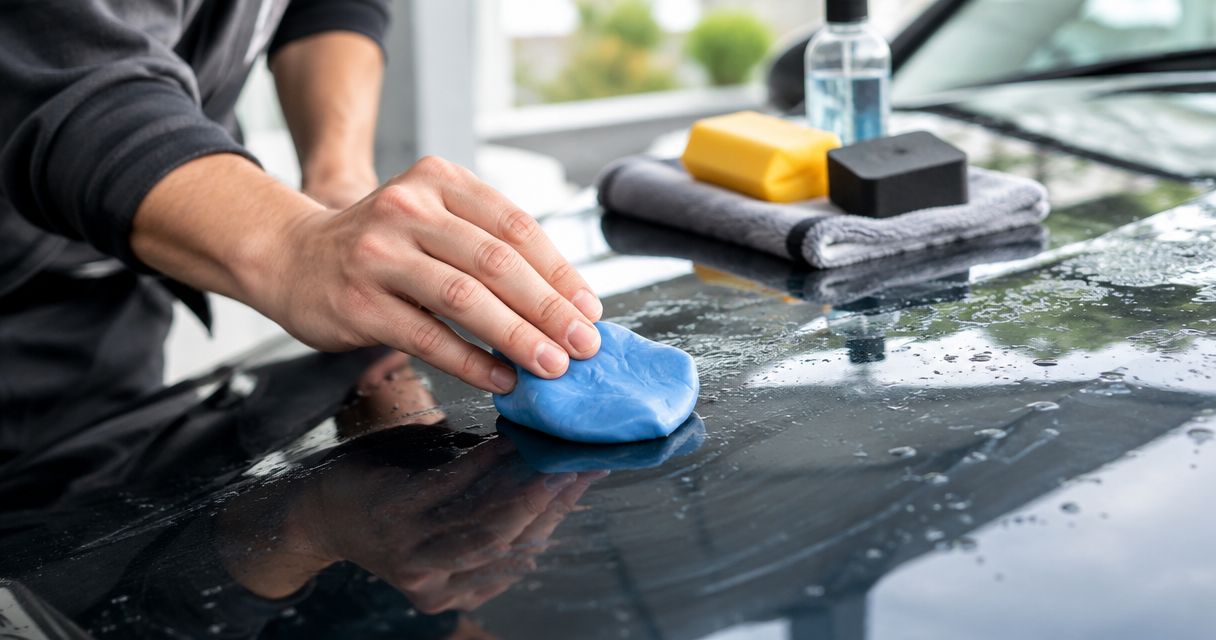
Paint correction belongs on the list because washing and correcting paint have different aims. Washing removes surface dirt. Paint correction addresses the appearance of defects in the painted finish and calls for an assessment of what is present before work begins. If a mark is visible after the vehicle is clean, ask what the mark is before choosing a process.
Royal Touch Mobile Detailing LLC offers paint correction. That makes a conversation about the paint’s condition more useful than buying stronger cleaning products and hoping for a different result. For a luxury or performance vehicle, explain which marks concern you and where you see them; do not assume every mark needs the same treatment.
Professional paint correction pros:
- It targets a paint-appearance concern rather than ordinary dirt.
- An assessment helps separate cleaning needs from correction needs.
- You can discuss the intended scope before work starts.
Professional paint correction cons:
- It is unnecessary when the issue is only removable surface dirt.
- The appropriate work depends on the finish’s condition; do not assume every defect can be addressed in the same way.
Best for: Owners whose concern is a visible defect in clean paint.
Verdict: Hold until the vehicle is clean and the paint has been assessed; then choose correction if it matches the concern.
4. Professional RV detailing: best for large-vehicle care
An RV is not just a bigger passenger car. Its size and mix of surfaces change the cleaning conversation, even when the goal is straightforward: care for its appearance without overlooking parts of the vehicle. Royal Touch Mobile Detailing LLC offers RV detailing, making this a distinct service choice rather than an oversized DIY car-wash project.
Before arranging work, describe the RV and the areas you want addressed. That keeps the discussion tied to the actual vehicle instead of assuming a car-detailing checklist covers it. If you prefer doing routine cleaning yourself, reserve the professional option for work you cannot comfortably handle with your own setup.
Professional RV detailing pros:
- The conversation starts with the RV’s surfaces and condition.
- You avoid treating a large vehicle as a routine car wash.
- You can identify priority areas before the work is agreed.
Professional RV detailing cons:
- The scope needs to be discussed for the specific RV.
- It is more service than you need for a small, manageable spot-cleaning task.
Best for: RV owners who want care planned around the vehicle they own.
Verdict: Buy professional RV detailing when the work exceeds the routine cleaning you can handle yourself.
5. Professional aircraft detailing: best for aircraft owners and operators
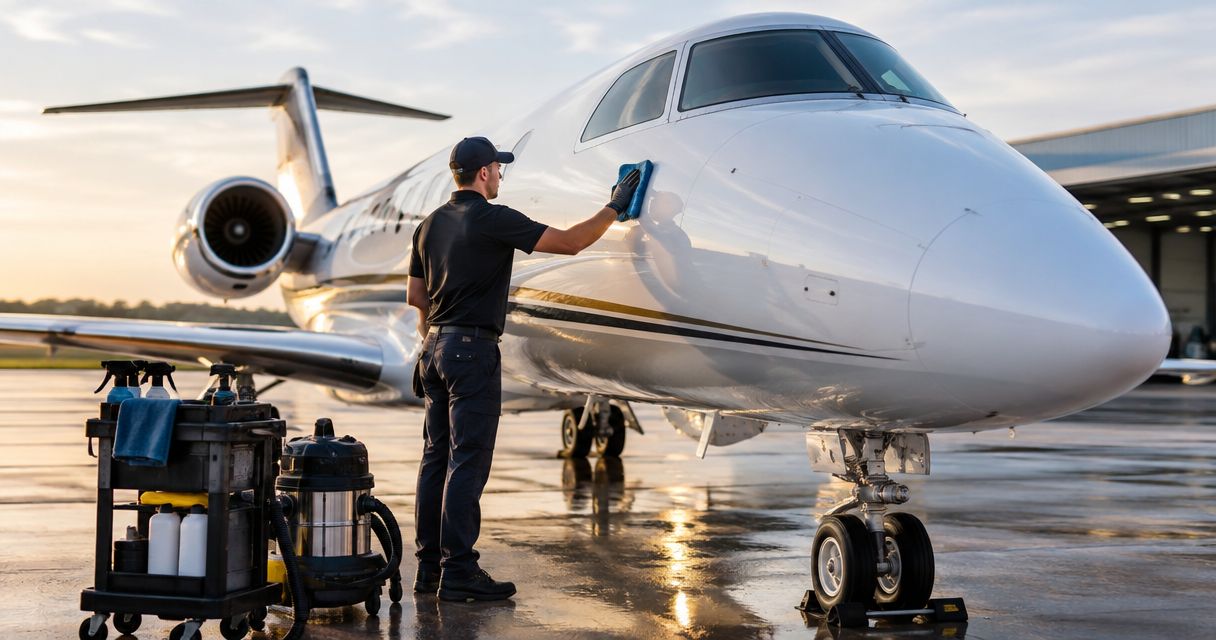
Aircraft detailing is its own decision, not a premium version of car detailing. Private aircraft owners, flight schools, and charter operators need to establish which surfaces are to be cleaned and what restrictions apply to their aircraft. Royal Touch Mobile Detailing LLC offers aviation detailing; confirm the proposed scope before any work starts.
A general DIY car kit is not the right assumption for an aircraft. Identify sensitive areas, provide the applicable care instructions, and ask how the work will be limited around them. That conversation matters more than a polished description of the service.
Professional aircraft detailing pros:
- The work can be discussed in terms of a specific aircraft.
- Owners and operators can identify restrictions before cleaning begins.
- It separates aircraft care from a generic car-detailing routine.
Professional aircraft detailing cons:
- You must confirm that the proposed work fits the aircraft’s instructions and operating requirements.
- A detailing discussion does not replace the operator’s responsibility for aircraft-specific restrictions.
Best for: Private aircraft owners and operators arranging appearance care.
Verdict: Buy aircraft detailing only after the scope and aircraft-specific restrictions are clear.
How these options are ranked
The ranking puts general-use options first, then moves to work with a narrower purpose. Professional mobile detailing leads because it answers the broad question of who handles everyday vehicle care. DIY comes next for owners who want that task themselves. Paint correction, RV detailing, and aircraft detailing are better choices only when the condition or vehicle calls for them.
That order is not a claim that a kit is ineffective or that every driver needs a professional service in 2026. It is a decision rule: choose DIY for routine upkeep, general detailing for convenient care, and a specialized service for a specialized job.
Which detailing option should you choose?
For an undecided daily driver, choose professional mobile detailing if you want the work done without building a home routine. Choose a DIY kit if you enjoy cleaning and can stick to ordinary upkeep. If your real concern is marked paint, a large RV, or an aircraft, start with the matching specialist conversation instead.
The distinction is especially useful in 2026 when comparing DIY detailing kits vs professional detailing: do not ask which option is universally better. Ask what needs attention, which surfaces are involved, and who should do the work. Royal Touch Mobile Detailing LLC is the professional-care choice for drivers who want mobile detailing; a DIY kit remains the hands-on choice for routine cleaning.
Discuss your detailing needs
Describe your vehicle and the areas you want addressed before choosing a service.
FAQ
Is a DIY detailing kit better than professional detailing?
A DIY detailing kit is better for owners who enjoy routine cleaning and have the right workspace. Professional detailing is the better fit when you want someone else to handle vehicle care or need to discuss a more involved job.
What is the best option for a daily driver in 2026?
Professional mobile detailing is the best default if convenience is your priority. Choose a DIY kit instead if you want to handle ordinary upkeep yourself.
Can a DIY detailing kit fix paint scratches?
Do not assume a cleaning kit will fix a mark in the paint. Clean the area carefully, then seek an assessment if the mark remains visible.
Is paint correction the same as a regular detail?
No. A regular detail addresses cleaning and appearance care, while paint correction focuses on the appearance of defects in the painted finish.
Should RV owners use a standard car detailing kit?
Do not assume a standard car kit fits every RV surface. Check the vehicle’s care instructions and discuss its surfaces and priority areas before arranging professional work.
Can a mobile detailer clean an aircraft?
Aircraft detailing is a separate service that requires a clearly defined scope. Owners and operators should confirm the aircraft’s care instructions and restrictions before work begins.
How do I decide between DIY cleaning and a professional service?
Choose DIY for ordinary upkeep you can complete with suitable supplies and space. Choose a professional service when convenience, a visible paint concern, or the type of vehicle changes the job.
One last thing
Clean first, then judge the paint. Dirt can distract from what you are trying to evaluate, and harder scrubbing is not a diagnosis. In 2026, that simple pause is a better next move than treating every stubborn mark as either a kit failure or an automatic paint-correction job.