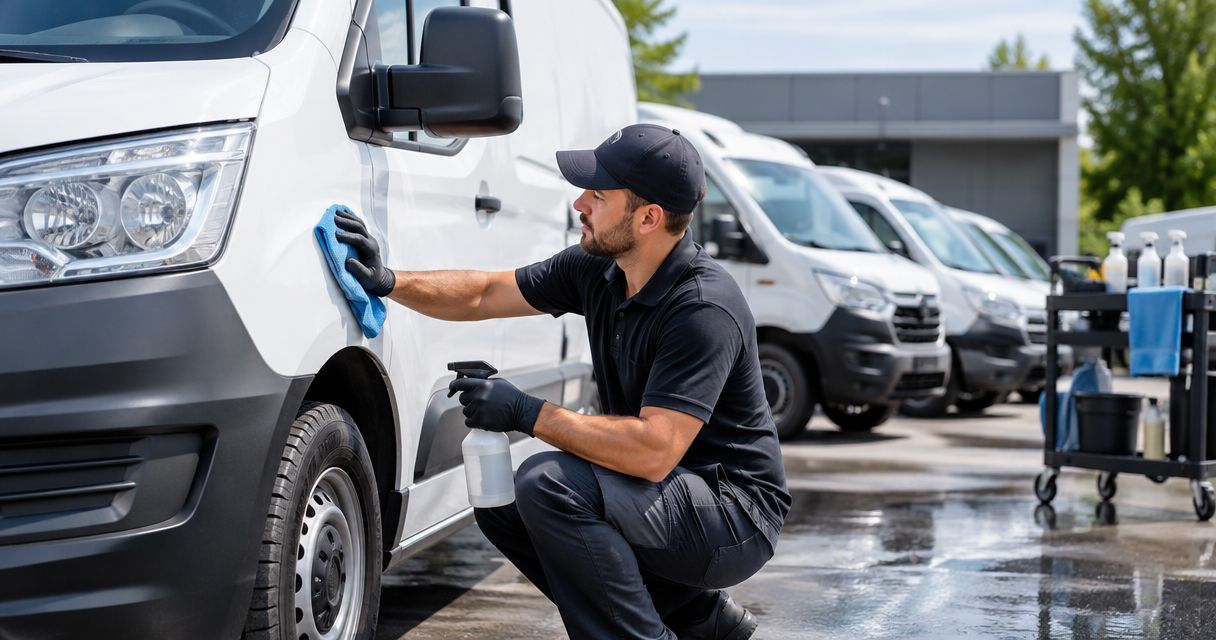
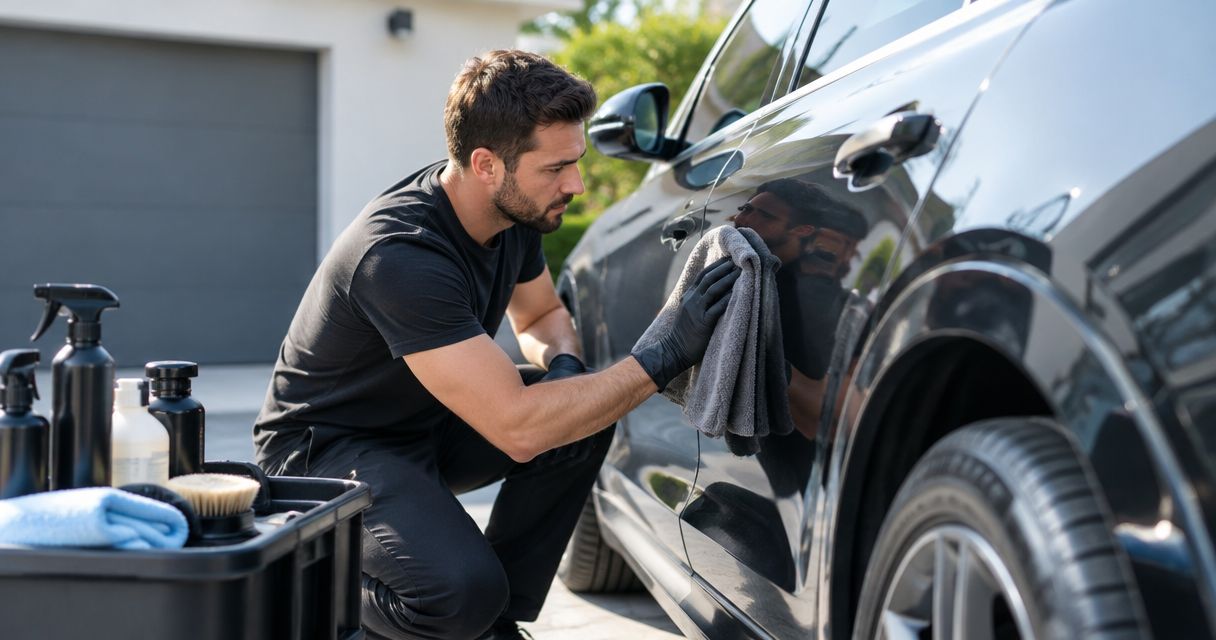
Get your car detailed when routine washing and tidying no longer remove the buildup, stains, or odors you notice—not simply because a fixed number of months has passed. Your 2026 detailing schedule should follow how you use and store your car, with prompt attention to spills and contamination rather than waiting for the next full appointment.
- How often should you get your car detailed? Let condition, exposure, and cabin use determine your schedule.
- Royal Touch Mobile Detailing LLC offers mobile car detailing for owners who want care without a shop visit.
- Routine washing, interior detailing, and paint correction address different problems; they do not share one maintenance schedule.
- Ceramic coating does not replace washing or interior care; follow the applied coating’s maintenance instructions.
How often should you get your car detailed?
Book a detail when the work your car needs goes beyond your regular cleaning routine. A muddy family vehicle, an outdoor commuter, and a lightly used garage-kept car do not need identical appointments. Start with the condition of the paint and cabin, then decide which work is necessary.
Faith-driven service and doing work right the first time shape Royal Touch Mobile Detailing LLC, a family-owned company whose services include premium vehicle and aircraft care. That approach starts with matching the work to the vehicle, rather than treating every visit as a reason to do everything.
Use this comparison to separate everyday upkeep from more involved work:
| Type of care | Best for | What it addresses | Limitation |
|---|---|---|---|
| Routine washing and tidying | Keeping an already clean car manageable | Loose exterior dirt, cabin debris, and fresh messes | Does not address every stain, embedded contaminant, or paint defect |
| Interior detailing | A cabin that needs deeper attention | Accumulated debris, soiled surfaces, and problem areas | Odors and stains require assessment; removal is not assured |
| Exterior detailing | Paint and exterior surfaces needing more than a basic wash | Cleaning and surface preparation matched to condition | Cleaning alone does not correct scratches |
| Paint correction | Paint with defects suitable for polishing | Swirl marks and other assessed surface defects | Removes some clear coat and is not routine cleaning |
The practical distinction is simple: maintain what is clean, address what is dirty, and assess defects before choosing corrective work. You do not need paint correction every time you need a clean car.
Why this matters
Waiting until the whole vehicle looks neglected bundles several different problems into one visit. A seat spill, dirty wheels, and dull-looking paint need different decisions. Handling the immediate problem keeps your maintenance plan focused.
The opposite mistake is booking intensive work just because the calendar says so. Repeated polishing is not a substitute for careful washing, and a full interior treatment is not automatically necessary when the cabin only needs vacuuming.
For your 2026 plan, separate regular upkeep from condition-based services. That gives you a clearer reason for each appointment and a better conversation about protection, appearance, and convenience.
Why car detailing frequency varies
Your car’s actual exposure matters more than a generic schedule. Review these factors before deciding whether to bring the next appointment forward:
- Parking conditions: Outdoor parking exposes the vehicle to weather, airborne dirt, and material from nearby trees. Covered storage changes that exposure, but does not eliminate cleaning needs.
- Driving conditions: Muddy roads, construction dust, and road-treatment residue create different cleaning demands from occasional fair-weather driving.
- Cabin use: Children, pets, food, sports equipment, and work gear introduce debris and spills that a mileage reading does not capture.
- Existing protection: Wax, sealant, or ceramic coating comes with its own care requirements. Identify what is on the vehicle before choosing maintenance products or treatments.
- Between-visit care: Careful washing and prompt cleanup change what remains for a professional appointment. Neglected messes need assessment rather than assumptions about an easy fix.
- Your appearance goals: A daily driver and a vehicle prepared for an event have different presentation needs. Explain your goal without confusing cosmetic expectations with necessary maintenance.
Do not use vehicle value alone to set the schedule. A luxury car that sits indoors and a daily driver that carries pets need care based on their surfaces and use—not simply their badges.
How do you know it is time to book a detail?
Look for problems that remain after ordinary, appropriate cleaning. Inspect the vehicle in good light, and avoid testing unfamiliar chemicals or abrasive methods just to decide whether you need help.
Check the cabin
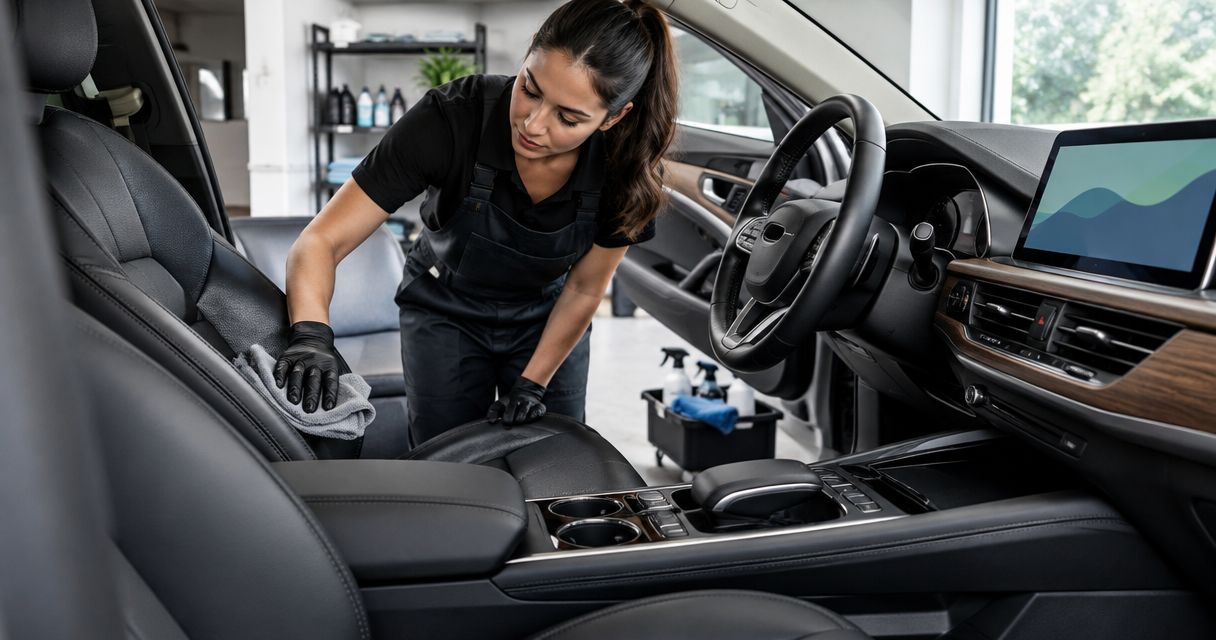
Start with the areas you touch and use: seats, carpets, mats, door handles, and storage spaces. Persistent soiling, trapped debris, and spills that reach seams or carpet edges are reasons to discuss deeper cleaning.
Notice when an odor appears and what happened before it began. A spilled drink and a recurring damp smell are not the same problem. Tell the detailer what you know; fragrance does not establish that the source has been removed.
Check the exterior
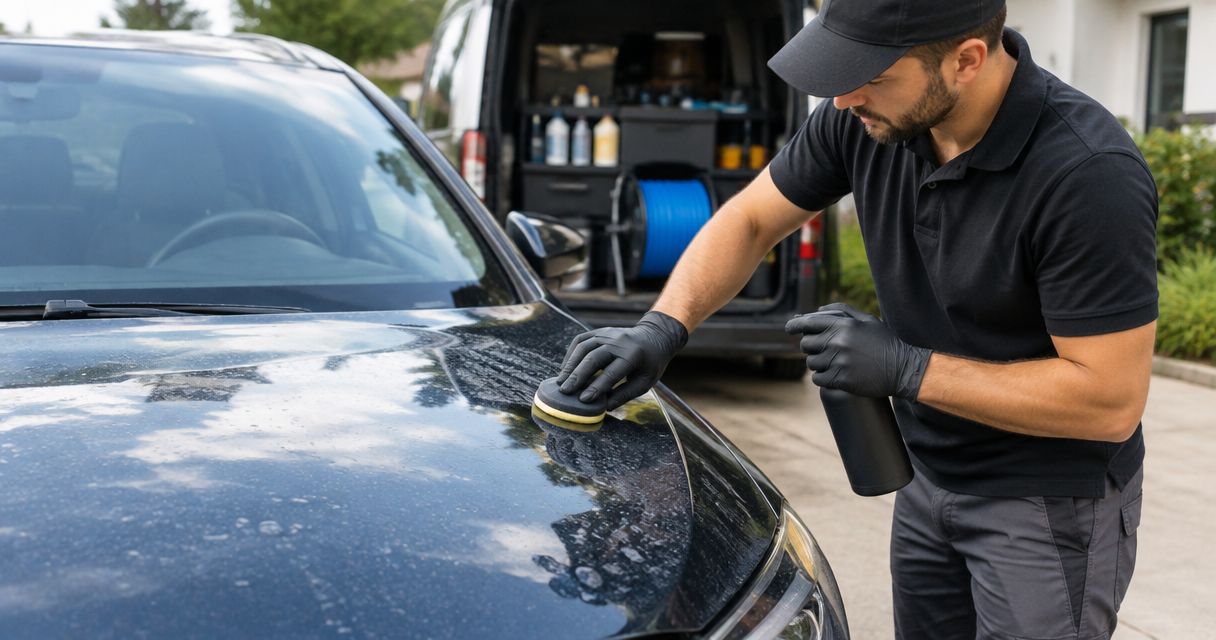
Inspect the paint after a suitable wash. Dirt that washes away is different from marks, deposits, or defects that remain. Avoid rubbing stubborn spots aggressively, especially on a dry surface.
Bird droppings, insect residue, and tree material deserve prompt attention using an appropriate method. Do not leave them in place merely because your next appointment is already booked.
Separate dirt from damage
A clean panel can still have scratches or swirl marks. More washing will not remove a scratch, and more pressure during cleaning risks adding marks.
If defects remain, ask for an assessment before requesting polishing. The guide to whether paint correction can remove swirl marks explains a different decision from ordinary detailing frequency.
Build a detailing plan around what your car needs
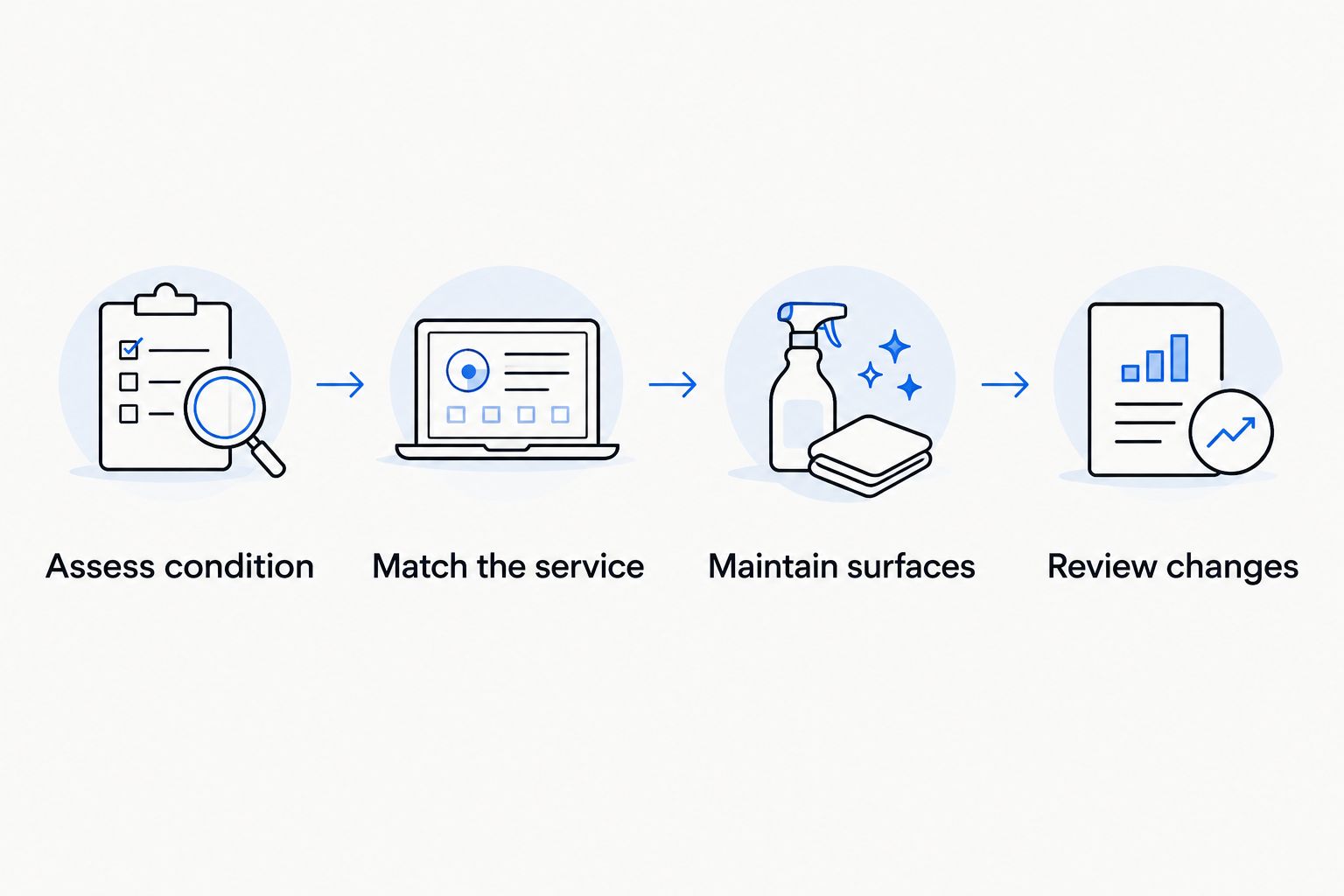
A useful 2026 plan names the work and the trigger for doing it. Instead of writing down only “full detail,” identify what you will maintain yourself and what should prompt professional attention.
- Assess condition. Note visible dirt, stains, odors, and paint concerns. Share photographs when arranging the service, while recognizing that photographs do not replace an inspection.
- Match the service. Explain whether your priority is the cabin, the exterior, or a specific defect. Ask what the proposed work includes and what falls outside it.
- Maintain surfaces. Use methods suitable for the materials and any existing protection. Keep manufacturer and installer care instructions available.
- Review changes. Reconsider the plan after a change in parking, driving, passengers, or vehicle use. Adjust the scope rather than repeating an appointment without checking condition.
Keep the plan realistic. If you do not have a suitable place to wash the vehicle, do not build your entire maintenance routine around washing it yourself. If you enjoy basic upkeep, explain what you already do so professional work can address what remains.
Royal Touch Mobile Detailing LLC is best for owners seeking mobile car detailing rather than a shop visit. Mobile service offers that convenience, but the work location and conditions still need discussion. Confirm access, permission, space, and any preparation requirements before booking.
Does ceramic coating mean you need fewer details?
Ceramic coating does not eliminate dirt, cabin messes, or the need for appropriate washing. It is an exterior protection service, not a replacement for every other part of vehicle care.
For a coated car, distinguish maintenance from adding another product. Follow the coating’s care instructions and ask before using unfamiliar cleaners, waxes, or abrasive treatments. Do not assume that putting something extra over the coating is necessary.
Water behavior alone also does not explain the entire condition of a coating. If the surface behaves differently, discuss cleaning and inspection before deciding that the protection must be replaced.
Your 2026 protection plan should identify the product already applied and the instructions that came with it. Without that information, a universal reapplication schedule is guesswork.
Should waxing and detailing follow the same schedule?
Waxing and detailing do not have to happen together. Detailing addresses cleaning needs across the vehicle; waxing is a paint-protection decision. An interior spill does not automatically mean the exterior needs fresh wax.
The question of how often to wax your car depends on the wax’s instructions, the vehicle’s exposure, and the condition of the existing protection—not simply the date of the last interior detail. Keep those decisions separate when discussing the appointment.
Before requesting wax, explain whether the car has a ceramic coating, another protective treatment, or recently refinished paint. Ask which care instructions apply. Adding a treatment without understanding the existing surface is not a sound maintenance plan.
Do daily drivers need different care from weekend cars?
Daily drivers need attention to the mess their use creates. Commuting, transporting children, carrying pets, and parking outdoors all influence which surfaces need cleaning. Inspect those surfaces instead of relying on mileage alone.
A weekend car still needs checks before and after use. Covered storage does not remove dirt already on the paint or a spill left in the cabin. Check storage conditions as well as appearance, especially if you notice dampness or an unfamiliar odor.
For luxury and performance vehicles, identify special finishes and materials before cleaning. Matte finishes, aftermarket films, upholstery, and trim need compatible methods. Premium care means selecting the right process, not automatically choosing the most aggressive one.
What should you tell a mobile detailer before booking?
Give a clear description of the vehicle and the result you want. “The rear carpet has a drink spill” is more useful than “the interior is bad.” Specific details help establish the scope without promising an outcome before inspection.
Share these points when arranging your 2026 appointment:
- Your vehicle type and the areas needing attention.
- Known spills, persistent odors, pet hair, or visible paint concerns.
- Existing ceramic coating, paint protection film, or special finishes.
- The proposed location and whether you have permission to use it.
- Your priority: everyday cleanliness, deeper cleaning, or assessment of a defect.
Royal Touch Mobile Detailing LLC serves customers throughout North Carolina and parts of Virginia and South Carolina. Confirm availability for your location rather than assuming every address is within the service area.
Plan your next mobile detail
Discuss your vehicle’s condition, existing protection, and the areas that need attention.
FAQ
How often should you get your car detailed if you drive every day?
Daily driving does not establish one detailing interval; book according to accumulated dirt, cabin use, exposure, and existing protection. Address spills and exterior contamination between appointments rather than waiting for a full detail.
Should I get a full detail every time my car looks dirty?
A full detail is not necessary every time your car looks dirty. Routine washing or targeted interior cleaning can address the immediate need; choose deeper work when the condition calls for it.
Does a ceramic-coated car still need detailing?
A ceramic-coated car still needs appropriate washing and condition-based detailing. Follow the applied coating’s maintenance instructions, and keep interior care separate from exterior protection.
Is detailing the same thing as paint correction?
Detailing and paint correction are not the same service. Paint correction uses abrasive polishing to address suitable defects and should follow a paint assessment, not a recurring cleaning date.
Should I wait until my next detail to clean a spill?
Do not wait until your next detail to address a spill. Follow the material’s care instructions and seek help when liquid has reached seams, padding, or areas you cannot clean appropriately.
Is mobile detailing better than visiting a shop?
Mobile detailing suits owners who prefer service at an agreed location rather than taking the vehicle to a shop. The location, access, permissions, and conditions still need confirmation before work is arranged.
Can Royal Touch Mobile Detailing LLC help with more than cars?
Royal Touch Mobile Detailing LLC offers auto, RV, and aviation detailing, along with ceramic coating, paint correction, and window tint services. Discuss the specific vehicle and service rather than applying a car-care plan to every surface.
One last thing
Your interior and exterior do not need to be on the same clock. A clean exterior does not cancel out a seat spill, and a tidy cabin does not mean the paint needs polishing. Book the work the vehicle actually needs, then use the visit to decide what should trigger the next one.