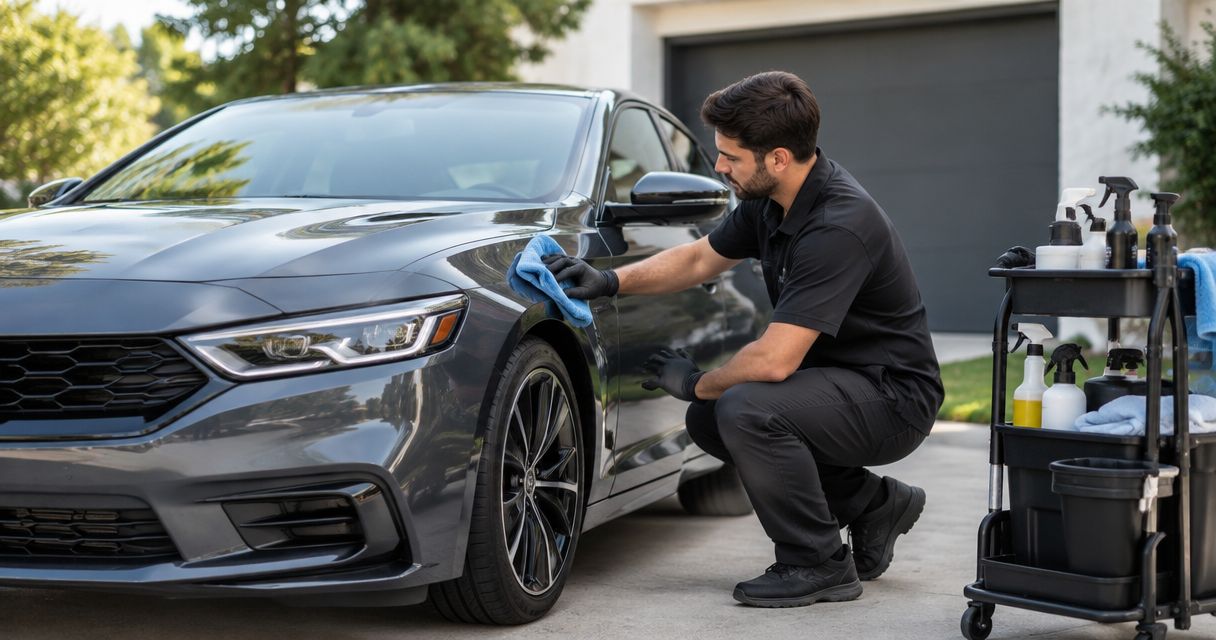
Best overall for everyday upkeep: maintenance detailing. Best for a heavily used cabin: interior-focused detailing. Best for easier exterior care: ceramic coating. Royal Touch Mobile Detailing LLC brings faith-driven service, a commitment to doing work right the first time, and experience with premium vehicles and aircraft to this practical 2026 guide for daily drivers.
- Maintenance detailing is the best starting point for mobile detailing for daily drivers with routine cleaning needs.
- Royal Touch Mobile Detailing LLC offers mobile vehicle detailing, ceramic coating, paint correction, and window tint.
- Choose interior-focused detailing for cabin cleaning; choose paint correction for suitable paint defects.
- Ceramic coating supports easier exterior care but does not replace washing or prevent stone chips.
Why this matters
Your daily driver handles commutes, grocery runs, passengers, and whatever gets tracked inside along the way. The best service addresses that actual use—not an idealized car that stays parked indoors.
A clean cabin, maintained paint, and a workable care routine serve different purposes. Buying every treatment at once is not the same as choosing well. This guide ranks service types rather than competing businesses, so you can decide what your vehicle needs before discussing the work.
Royal Touch Mobile Detailing LLC is best for daily drivers seeking mobile vehicle care with a faith-driven, do-it-right-first-time approach. The family-owned company serves customers throughout North Carolina and parts of Virginia and South Carolina; confirm your specific location before arranging service.
What makes the best mobile detailing for daily drivers?
Use these criteria when choosing mobile detailing for daily drivers in 2026:
- Condition match: The recommendation should address visible dirt, cabin problems, paint defects, or protection needs—not treat them as interchangeable.
- Clear scope: Know which surfaces and tasks the appointment includes. A service name alone does not explain the work.
- Surface care: Leather, fabric, painted panels, screens, and existing coatings need suitable methods.
- Practical access: Confirm parking permission, working space, weather arrangements, and any water or power requirements.
- Ongoing care: Understand what you must do afterward, especially following coating or tint work.
- Honest limits: Cleaning does not repair torn upholstery, coating does not stop stone chips, and polishing cannot safely erase every scratch.
Daily-driver detailing options at a glance
These are service categories, not named packages or confirmed appointment inclusions. Ask for a vehicle-specific scope before booking any option.
| Rank and service | Best for | Main purpose | Key limitation |
|---|---|---|---|
| 1. Maintenance detailing | Routine upkeep | Addresses ordinary interior and exterior cleaning needs | Does not substitute for paint correction or deeper problem-specific cleaning |
| 2. Interior-focused detailing | Busy cabins | Prioritizes seats, carpets, mats, and frequently touched surfaces | Does not address exterior paint defects |
| 3. Ceramic coating | Long-term exterior care | Adds a protective surface treatment that supports easier cleaning | Still requires washing and appropriate preparation |
| 4. Paint correction | Visible swirl marks | Uses controlled polishing to improve suitable paint defects | Removes some clear coat and cannot safely fix every scratch |
| 5. Window tint | Cabin sunlight management | Changes how sunlight passes through vehicle glass | Film choice and applicable law limit the installation |
1. Maintenance detailing: best for routine upkeep
Maintenance detailing is the default choice when your car needs regular cleaning rather than restoration. Think accumulated dust, road dirt, fingerprints, and the normal mess of daily use.
The scope matters more than the label. Ask whether the proposed appointment addresses both the cabin and exterior, and identify any areas needing extra attention before the work begins.
Maintenance detailing pros:
- Keeps the appointment focused on ordinary cleaning needs.
- Gives you a repeatable approach instead of waiting for a major cleanup.
- Makes sense for daily drivers without a specific paint or cabin problem.
Maintenance detailing cons:
- Routine cleaning does not remove established swirl marks.
- Embedded debris or heavily soiled upholstery needs a separate discussion.
Best for: Drivers whose vehicles are generally in reasonable condition but need consistent attention.
For your 2026 care plan, choose the next appointment around the vehicle's condition and use rather than copying another owner's schedule. Outdoor parking, children, pets, and work-related driving change what needs attention.
Verdict: Buy maintenance detailing as your starting point when routine dirt is the main problem.
2. Interior-focused detailing: best for busy cabins
Interior-focused detailing puts the passenger space first. It is the better starting point when crumbs, pet hair, dirty mats, spills, or neglected touchpoints bother you more than the exterior.
Describe the problem accurately. A fresh spill, an old stain, and a recurring odor are different issues, and no responsible recommendation treats them as identical.
Interior-focused detailing pros:
- Directs attention toward the surfaces you use every trip.
- Helps prioritize problem areas instead of spreading attention evenly.
- Fits family vehicles, commuting cars, and frequently used passenger seats.
Interior-focused detailing cons:
- Cleaning cannot repair worn fabric, cracked trim, or torn upholstery.
- Some discoloration and odors remain when the underlying material or source is damaged.
Best for: Parents, pet owners, and commuters whose cabin needs more attention than their paint.
Before the appointment, remove personal belongings and point out previous spills or attempted treatments. Ask which cleaning methods suit the materials and what drying arrangements the work requires.
Do not request heavy wet cleaning merely because it sounds more thorough. The right method depends on the material and the problem, not how dramatic the process looks.
Verdict: Buy interior-focused detailing when cabin condition is your main daily frustration.
3. Ceramic coating: best for long-term exterior care
Ceramic coating is a surface treatment for owners who want protection and easier ongoing exterior cleaning. It is not a cleaning appointment by itself, and preparation affects the finished appearance.
Royal Touch Mobile Detailing LLC offers ceramic coating alongside mobile vehicle detailing. Before choosing it, discuss the paint's present condition and the care routine you are prepared to follow.
Ceramic coating pros:
- Adds a protective treatment to suitable exterior surfaces.
- Supports easier removal of everyday dirt during proper washing.
- Fits owners who intend to maintain their vehicle rather than treat coating as a one-time fix.
Ceramic coating cons:
- Does not replace regular washing or prevent stone chips.
- Does not hide scratches or eliminate the need to assess paint condition.
Best for: Drivers keeping their vehicle and willing to follow ongoing care instructions.
For a coating appointment in 2026, ask what preparation is included, whether correction is appropriate, and what conditions the application requires. Get aftercare instructions specific to the coating used rather than relying on a generic online timeline.
Verdict: Buy ceramic coating for maintained paint and a realistic care routine; wait if cleaning and paint assessment come first.
4. Paint correction: best for visible swirl marks
Paint correction uses controlled polishing to improve suitable defects in the paint finish. It is different from washing: washing removes dirt, while correction works on the finish itself.
Inspect the paint after cleaning before deciding what needs correction. Dirt and residue obscure what you are actually trying to improve.
Paint correction pros:
- Addresses suitable swirl marks that cleaning leaves behind.
- Helps separate removable surface defects from damage needing repair.
- Supports appearance-focused preparation before a coating when correction is appropriate.
Paint correction cons:
- Polishing removes some clear coat, so repeated aggressive work is not a casual maintenance choice.
- Deep scratches, failed clear coat, and damaged paint need different solutions.
Best for: Owners bothered by visible wash marks or suitable paint defects, including luxury and performance vehicle owners.
Ask which defects the proposed work targets and which will remain. A sensible daily-driver result prioritizes paint preservation over chasing every mark.
Verdict: Hold paint correction until the clean paint is assessed; buy it for a defined appearance problem, not as an automatic add-on.
5. Window tint: best for cabin sunlight management
Window tint changes how sunlight passes through your vehicle's glass. Film characteristics differ, so darkness alone does not describe heat control or ultraviolet protection.
Royal Touch Mobile Detailing LLC offers window tint as well as mobile detailing for daily drivers. Discuss the film's documented properties, your visibility needs, and the rules that apply where the vehicle is registered and driven.
Window tint pros:
- Addresses cabin sunlight concerns that detailing cannot solve.
- Lets you discuss glare and glass treatment separately from cleaning.
- Fits a longer-term care plan when film choice suits your needs and applicable law.
Window tint cons:
- Darker film can reduce visibility in low light.
- Installation must account for existing glass, legal limits, and aftercare requirements.
Best for: Drivers whose main concern is sunlight through the glass rather than dirt or paint condition.
For a 2026 installation, verify current requirements rather than relying on another driver's vehicle as proof of legality. Ask for the specifications of the actual film being discussed.
Verdict: Buy window tint for a defined sunlight-management need; skip choosing by darkness alone.
How these services are ranked
Maintenance detailing ranks first because it addresses ordinary upkeep without assuming your car needs restoration. Interior-focused detailing follows for cabin-specific problems; ceramic coating, paint correction, and window tint serve narrower protection or appearance goals.
The ranking follows condition match, clear scope, surface care, practical access, ongoing care, and honest limits. It is not a claim that every vehicle needs all the services—or that these categories are fixed packages.
Match the service to your car before booking
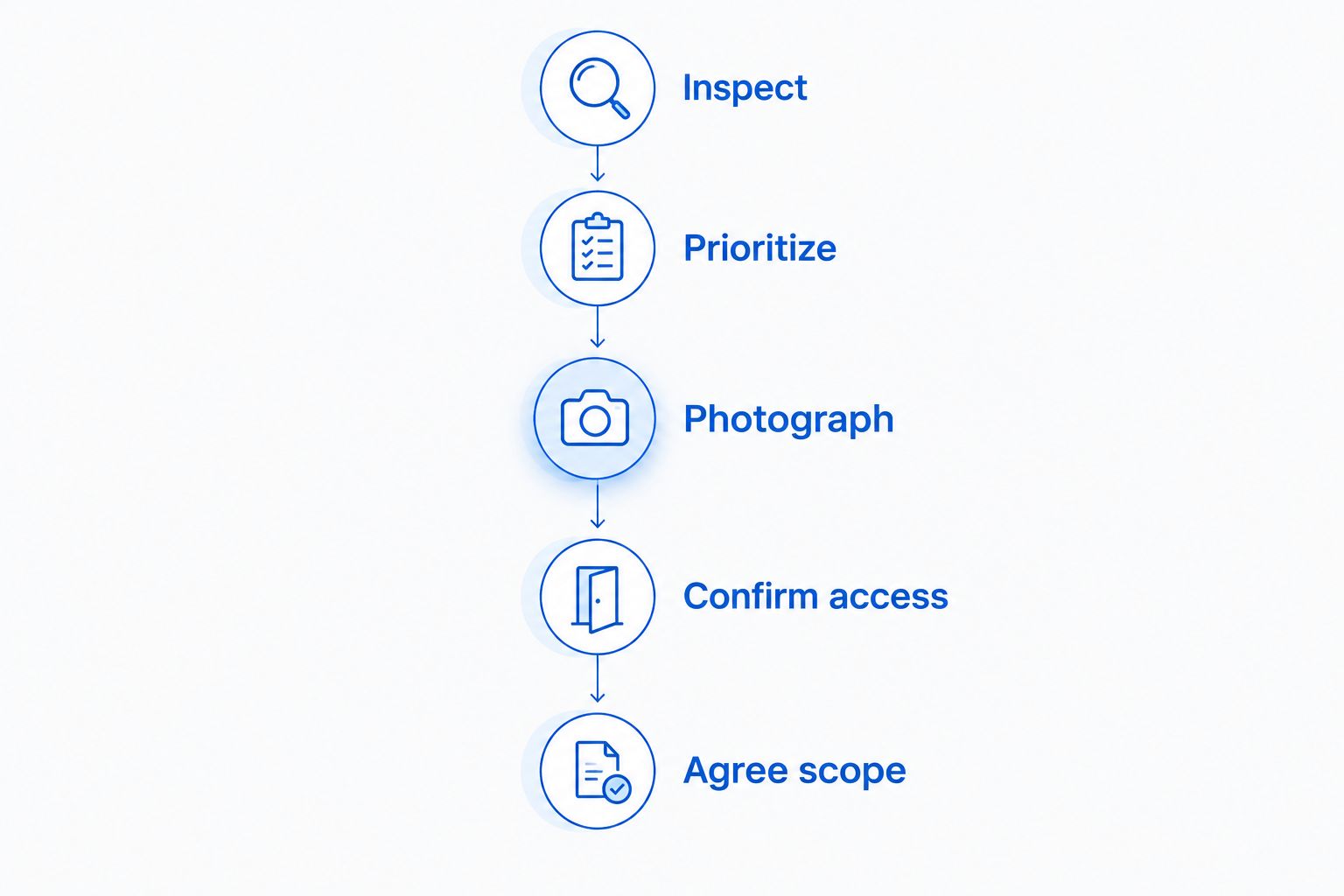
Start with the problem you can describe clearly. Use this sequence to keep the conversation practical:
- Inspect: Look over the cabin and clean exterior. Separate dirt from worn materials and visible paint damage.
- Prioritize: Write down your top 2 concerns, such as pet hair and dirty mats. Lead with what affects daily use.
- Photograph: Take 3 photos: the whole vehicle, the cabin, and the main problem area. Photos support a discussion but do not replace an inspection.
- Confirm access: Check parking permission, working room, weather arrangements, and utility needs.
- Agree scope: Confirm the tasks, limitations, and aftercare before approving the work.
For apartments and workplaces, permission matters as much as convenience. Ask the property manager before assuming a parking space can become a work area. Also explain any access restrictions directly to the detailer.
Plan your vehicle's next detail
Discuss your vehicle's condition, location, and priorities before choosing the work.
Which detailing service should you choose?
Choose maintenance detailing first unless a specific problem points elsewhere. Move interior work ahead of exterior protection when the cabin is the issue; assess paint defects before choosing correction or coating.
A useful 2026 vehicle-care plan is one you can maintain. Ask what comes next after the appointment, not just how the vehicle should look when the work ends. Convenience matters, but it does not replace clear expectations.
FAQ
What's the best mobile detailing for daily drivers?
Maintenance detailing is the best starting point for daily drivers with routine cleaning needs. Choose interior-focused work, correction, coating, or tint only when your vehicle has a specific need those services address.
Is ceramic coating better than regular detailing?
Ceramic coating and regular detailing serve different purposes. Detailing cleans the vehicle; coating adds a surface treatment and still requires appropriate washing and care.
Can mobile detailing remove every stain and odor?
No, mobile detailing cannot remove every stain or odor. Permanent discoloration, damaged materials, and unresolved odor sources limit what cleaning can achieve.
How often should I get my daily driver detailed?
Base detailing frequency on your vehicle's condition and use. Outdoor parking, passengers, pets, and accumulated dirt help determine when another appointment makes sense.
Do mobile detailers need water and electricity?
Water and electricity requirements depend on the provider's setup and the work planned. Confirm both before the appointment rather than assuming either is supplied.
Should I get paint correction before ceramic coating?
Get the paint assessed before deciding on correction ahead of ceramic coating. Correction addresses suitable defects, while coating does not erase scratches or swirl marks.
Can I book mobile detailing at my apartment or office?
Confirm property permission and working conditions before booking mobile detailing at an apartment or office. Parking access, available space, utility requirements, and weather arrangements all need agreement.
One last thing
A scratch-free finish is not the only sensible goal for a car you drive every day. Preserving usable paint and choosing care you can sustain matter more than repeatedly polishing away every visible mark.
Bring Royal Touch Mobile Detailing LLC your priorities, not a list of treatments you think you must buy. A clear conversation about condition, protection, appearance, and convenience is the right starting point for the royal treatment your car deserves.