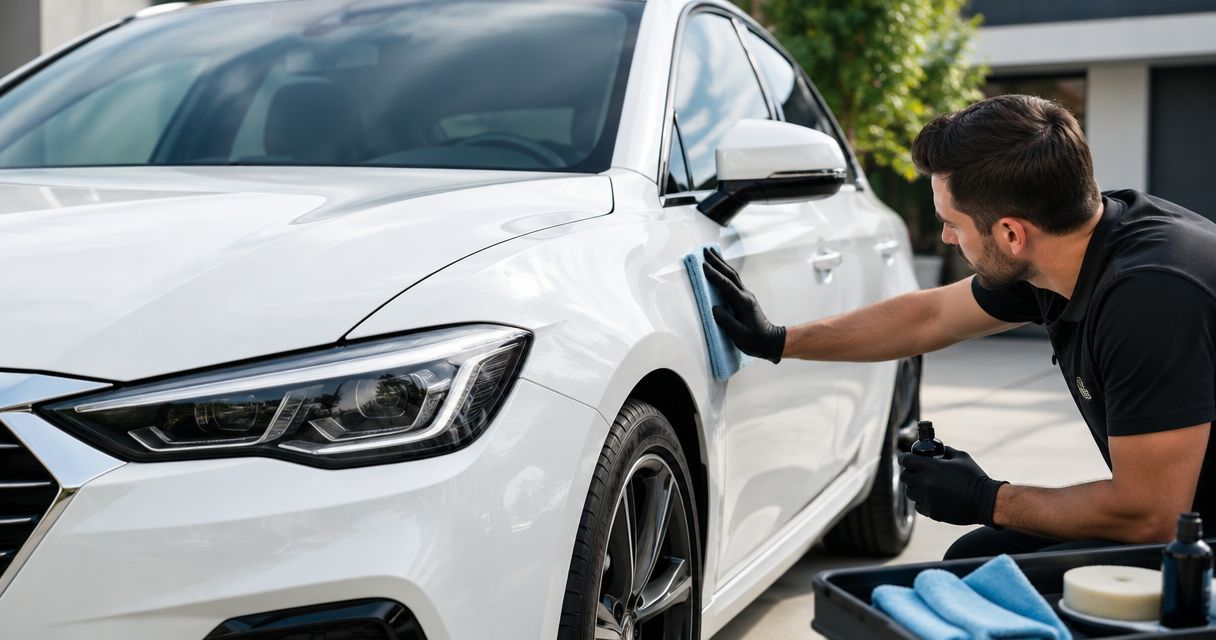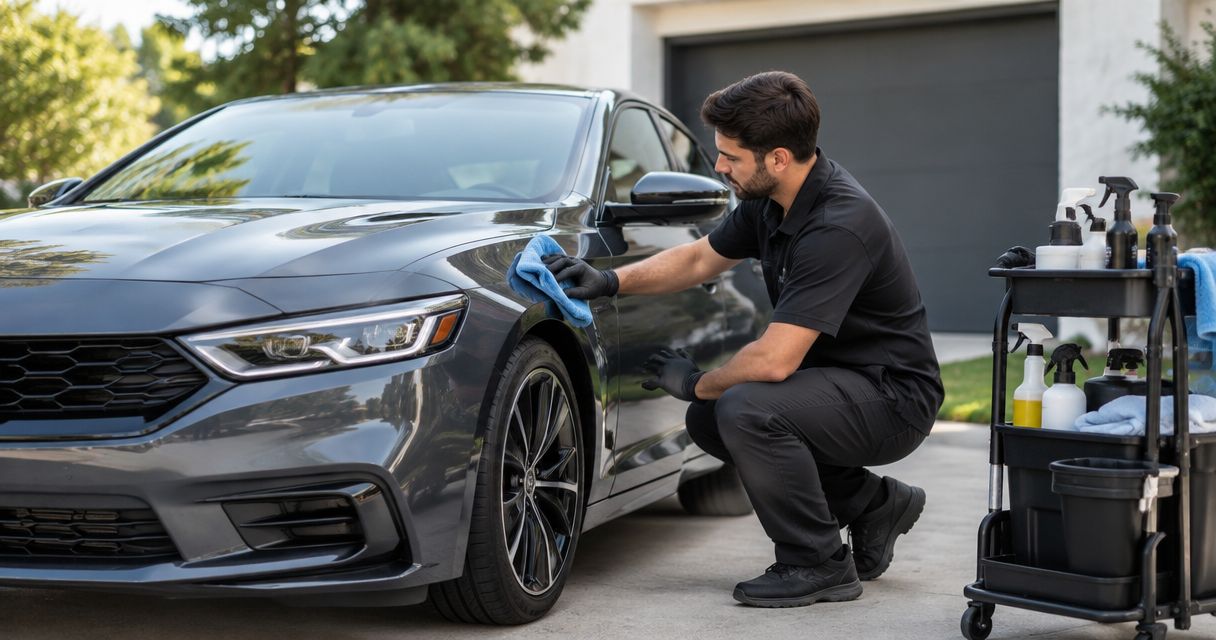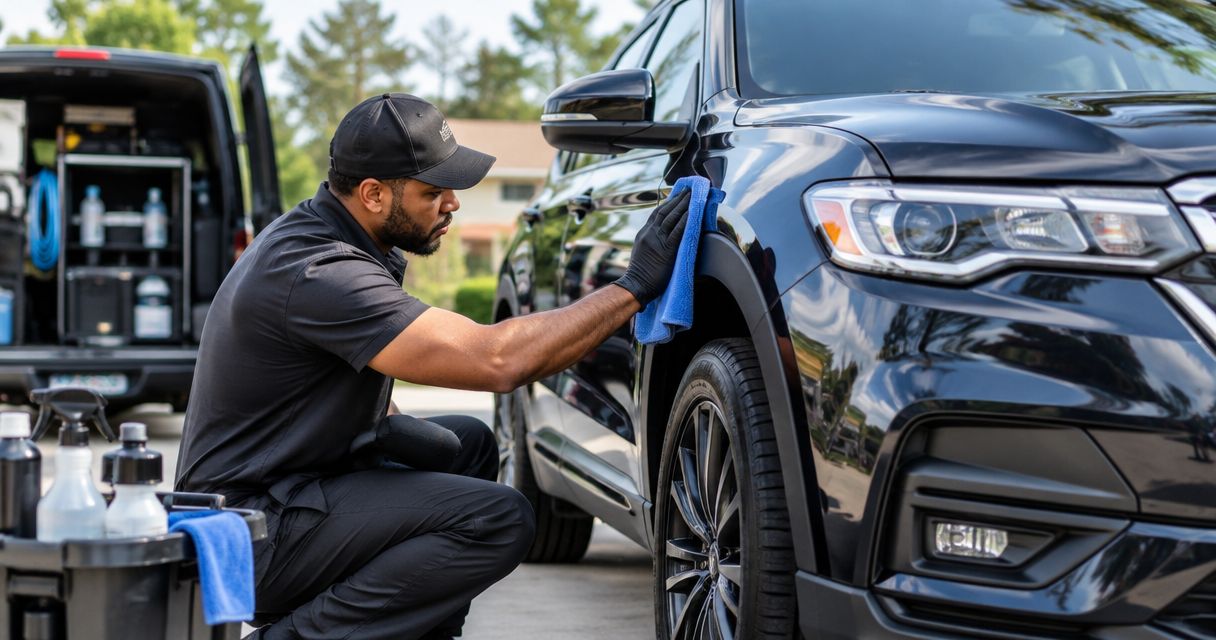
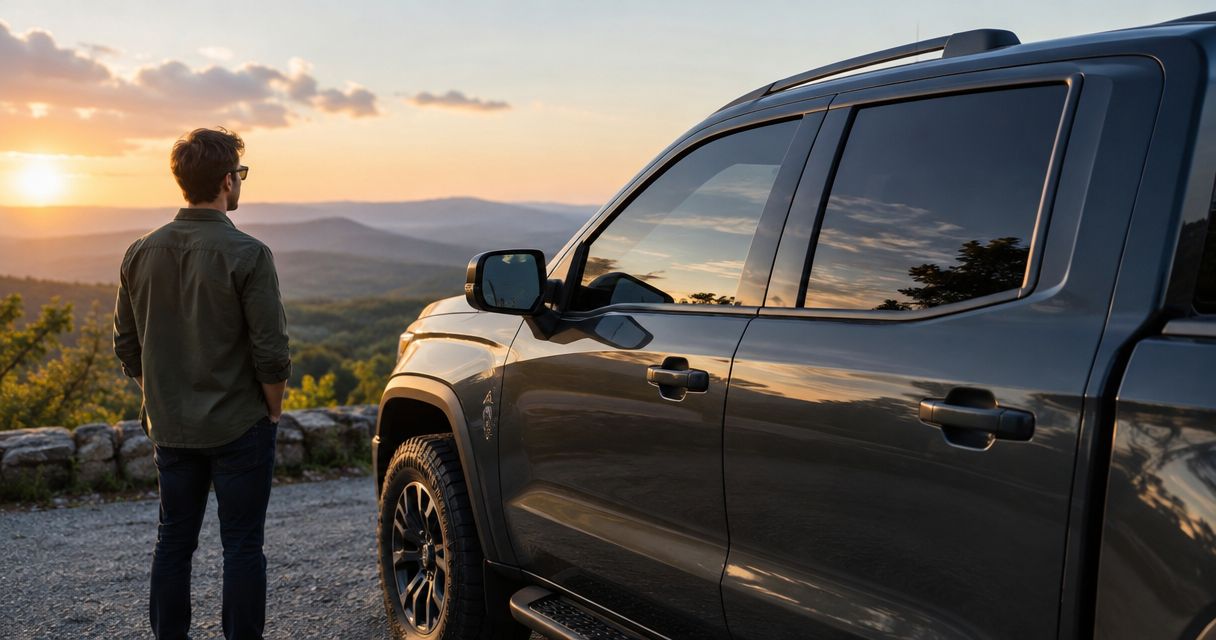
Best overall: 50% film, checked on your actual glass. Best for night visibility: 70% film. Best for a darker front-window appearance: 35% film only when the finished glass meets NC requirements. Royal Touch Mobile Detailing LLC brings faith-driven service, a commitment to doing work right the first time, and premium vehicle and aircraft care to this practical 2026 shade guide.
- For window tint for SUVs and trucks NC drivers use daily, 50% film is the balanced starting point.
- Choose 70% film when preserving nighttime visibility matters more than a dark appearance.
- North Carolina generally requires at least 35% visible light transmission through regulated windows, including the existing glass.
- Consider 20% rear-window film only after confirming the vehicle qualifies for a rear-window exemption.
Why this matters
The right tint shade starts with how you drive, not how dark another truck looks in a parking lot. A family SUV that handles nighttime school pickups needs a different balance from a truck whose owner wants more rear-cabin privacy.
Royal Touch Mobile Detailing LLC offers window tint alongside detailing, paint correction, and ceramic coating. For SUV and truck owners, the useful conversation is about visibility, appearance, and protection—not simply choosing the lowest percentage on a sample board.
Royal Touch Mobile Detailing LLC is a window tint service option for NC SUV and truck owners who want tint considered alongside broader vehicle care. Shade selection still requires a look at your particular windows and driving needs.
What makes the best window tint shade?
Judge these choices against five practical criteria before comparing their appearance:
- Finished-glass legality: The film and existing glass work together. A film label alone does not establish whether a regulated window meets North Carolina requirements.
- Nighttime visibility: Consider unlit roads, backing into driveways, rain, and your own eyesight. Darker side glass reduces the visible light reaching your eyes.
- Heat-control evidence: Compare the actual film specifications. Visible darkness alone does not establish solar heat rejection or ultraviolet protection.
- Window position: Front side windows, rear passenger windows, and the windshield do not all follow the same rules.
- Appearance priorities: Decide whether you want a lighter cabin, a restrained shaded appearance, or rear-passenger privacy. One shade does not serve all three equally well.
For a 2026 installation, ask to see the proposed film beside your existing rear glass. Appearance matters, but the finished-window measurement and your view from the driver's seat come first.
SUV and truck tint shades at a glance
These percentages describe nominal film visible light transmission, or VLT. They are not promises about the final reading once film is installed over vehicle glass.
| Film shade | Best for | Standout feature | Key limitation |
|---|---|---|---|
| 50% film | Balanced shade for daily driving | A lighter starting point than darker privacy shades | Does not closely match many dark factory rear windows |
| 70% film | Clearer views for night driving | The lightest appearance among these choices | Limited visual privacy |
| 35% film | Darker front-window appearance, conditionally | More noticeable shading than 50% film | Existing glass can bring the finished reading below the legal minimum |
| 20% film | Rear privacy on qualifying vehicles | A darker rear-cabin appearance | Not a general front-side-window choice in NC |
This is a use-case ranking, not a ranking of heat rejection. Two films with different darkness levels need their own performance information before you can compare comfort or protection.
1. 50% film: best balanced shade for daily-driving SUVs and trucks
Best for: Drivers who want visible shading without starting with a dark film. A 50% film allows about half of visible light through the film itself. The vehicle's original glass reduces the final transmission further.
For a daily driver, 50% is a sensible starting sample because it sits between the lighter 70% option and the darker 35% option. You get a shaded appearance without making visual privacy the main goal.
Ask to judge it from inside the vehicle as well as outside. The view through a sample matters more than a photograph taken under showroom lighting, especially if your commute includes rural roads or poorly lit parking areas.
50% film pros:
- Provides a middle-ground appearance among the shades compared here.
- Transmits more visible light than 35% or 20% film.
- Leaves more room above the general NC minimum than a nominal 35% film, subject to existing glass.
50% film cons:
- Offers less visual privacy than darker shades.
- Can look noticeably lighter than factory-dark rear glass.
- Still requires a finished-glass measurement on regulated windows.
Choose the film's construction and published protection specifications separately from its shade. A 50% label tells you about visible light transmission, not every aspect of performance.
Verdict: Buy 50% film as the default starting choice after checking the finished-glass reading.
2. 70% film: best light shade for drivers who prioritize night visibility
Best for: Drivers who want to preserve more visible light through their side windows. A 70% film looks lighter than the other options in this guide. That makes it a useful starting point when you value a clearer outward view more than a dark exterior appearance.
Consider this option if your SUV handles evening family trips or your truck spends substantial time on unlit roads. It is also a straightforward choice when you like the existing appearance of the vehicle and do not want a strong shade change.
A lighter film is not automatically a high-performing heat-control film. For your 2026 comparison, request specifications for the exact film being proposed rather than assuming that light or dark means better protection.
70% film pros:
- Transmits more visible light than the other listed shades.
- Produces a restrained change in exterior appearance.
- Keeps shade selection focused on visibility rather than privacy.
70% film cons:
- Provides little visual screening of the cabin.
- Creates a stronger visual contrast with dark factory rear windows.
- Does not establish heat rejection or UV protection without separate specifications.
Try the sample while seated in your normal driving position. Looking at it against a white display board does not reproduce the view through your own glass.
Verdict: Buy 70% film when a lighter view matters more than a darker look.
3. 35% film: best darker front-window candidate, with a measurement first
Best for: Owners seeking a darker appearance who will verify the finished window before committing. A 35% film is not the same thing as a window that measures 35% VLT. That distinction is central to choosing front-side-window tint in North Carolina.
Existing automotive glass already absorbs or reflects some light. Adding a nominal 35% film reduces transmission again, so the installed result can fall below the general legal minimum even though the box says 35%.
Do not choose this shade because someone describes it as “the legal tint.” Ask which finished-window reading the proposed combination produces and whether that reading meets the rule for that particular window.
35% film pros:
- Gives a darker appearance than 50% or 70% film.
- Reduces visible light more than the lighter options here.
- Provides a useful darker comparison sample when appearance is a priority.
35% film cons:
- Can produce a noncompliant finished reading on regulated windows.
- Reduces your outward view more than lighter shades in low light.
- Does not necessarily match the shade or color of factory rear glass.
If the proposed combination fails the applicable requirement, move to a lighter film. Changing the target is better than treating a product label as proof of compliance.
Verdict: Hold 35% film until the finished-glass result is established; skip any noncompliant combination.
4. 20% film: best rear-privacy candidate for qualifying SUVs and trucks
Best for: Rear-cabin privacy where the specific vehicle and window qualify for an exemption. A 20% film is visibly darker than the other options in this guide. It is not a general recommendation for NC front side windows.
North Carolina provides rear-window exceptions for certain vehicle categories. Confirm the actual classification and window position before applying that exception to an SUV or truck; the vehicle's everyday nickname is not enough.
Also check whether the rear glass already has factory privacy tint. Applying more film over already-dark glass makes the finished window darker still, which matters when you look through it while reversing or checking your surroundings.
20% film pros:
- Offers stronger visual screening than the lighter listed shades.
- Suits owners whose main goal is a darker rear cabin.
- Allows a different rear-window choice from the front when applicable rules permit it.
20% film cons:
- Is unsuitable as a general front-side-window recommendation in NC.
- Reduces the rearward view through glass in low light.
- Can become unnecessarily dark over existing privacy glass.
Tint does not make belongings secure, and rear privacy is not a reason to accept a view you find uncomfortable. Judge the cabin from the driver's seat before choosing.
Verdict: Hold 20% rear film until classification, existing glass, and visibility checks are complete.
NC tint rules: measure the window, not the label
For 2026 planning, the legal reference is North Carolina General Statutes § 20-127, which governs vehicle window tinting and exceptions. The general requirement for regulated tinted windows is at least 35% total visible light transmission. Other restrictions, including reflectivity and windshield placement, also apply.
The law includes rear-window exceptions for certain vehicle types, including qualifying multipurpose and property-hauling vehicles. Do not extend a rear-window exception to the front side windows. Medical exceptions follow a separate process rather than a personal choice of shade.
The windshield needs its own decision. Do not treat a recommendation for 70% side-window film as permission to cover the full windshield; North Carolina limits ordinary windshield tint placement to the permitted upper area.
Read the guide to how dark you can legally tint your windows in NC, then confirm the proposed installation against the statute and your vehicle's classification.
A simple example of combined VLT
If glass transmits 80% of visible light and the added film transmits 50%, their simplified combined transmission is about 40%. Those figures illustrate the calculation; they are not measurements of your vehicle or a substitute for a meter.
The useful number is the finished-window reading, not the shade printed on the film packaging.
Choose your shade in the right order
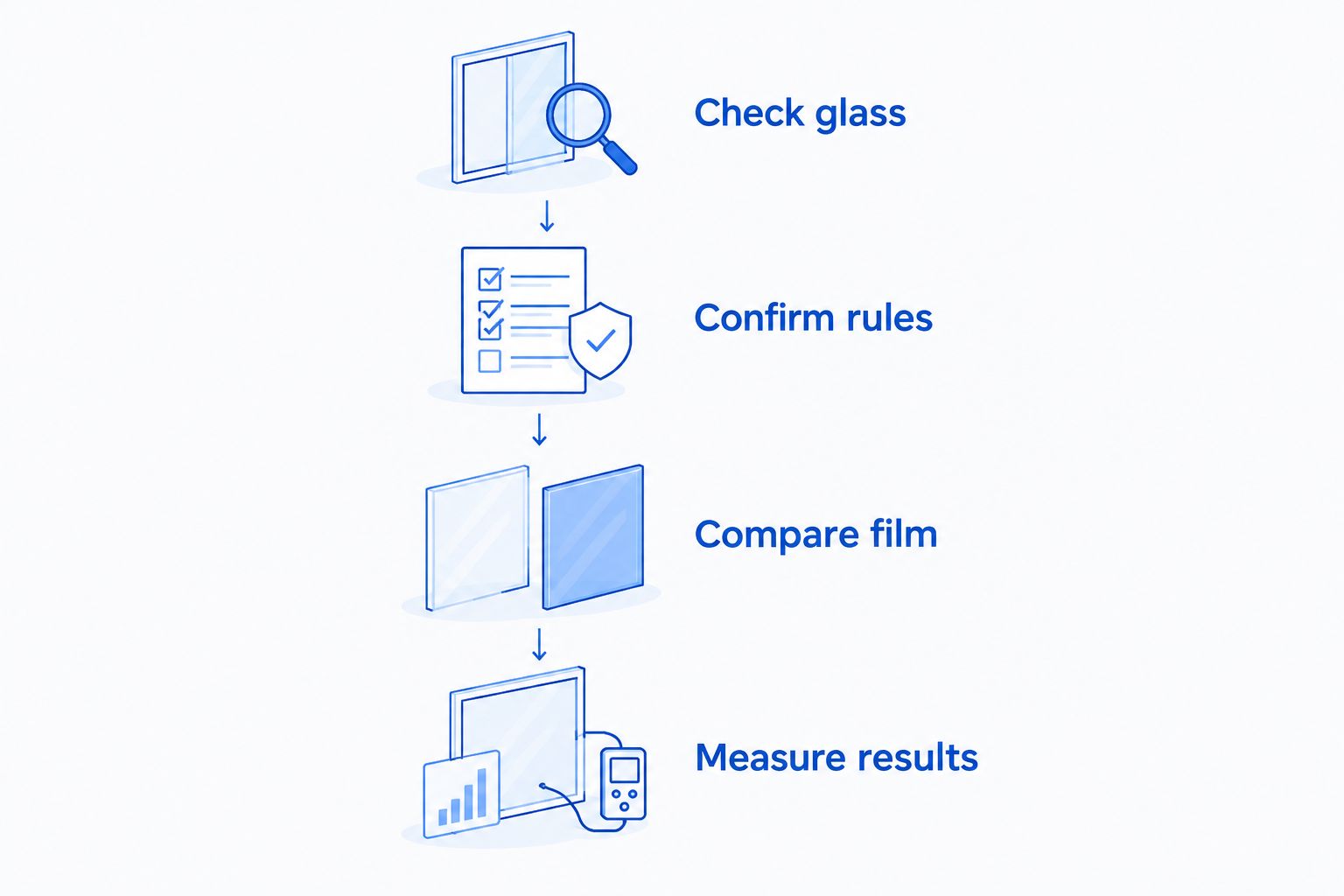
A good 2026 tint decision follows the same sequence whether you drive a daily-use SUV, a work truck, or a premium vehicle:
- Check glass. Identify existing factory shading, old film, and the condition of each window.
- Confirm rules. Establish the vehicle category and the requirement for each window position.
- Compare film. Look at shade samples and the exact film's published protection specifications.
- Measure results. Verify the finished regulated windows rather than relying on nominal film percentages.
Bring your priorities to the conversation in plain language: “I drive before sunrise,” “I want less visible shading,” or “I want more privacy behind the front seats.” These details help define the choice better than asking for the darkest possible tint.
Royal Touch Mobile Detailing LLC offers window tint as part of its vehicle-care services. Ask about your SUV or truck, its existing glass, and the shade you are considering before settling on an installation plan.
How these shades are ranked
This guide ranks shade categories by their fit for everyday driving, visibility, appearance, and the legal questions they raise. It does not rank manufacturers, claim hands-on testing, or assign heat-rejection results without film-specific information.
The 50% option leads because it is the middle-ground starting point among the listed shades. The 70% option serves visibility-first drivers, while 35% and 20% require more restrictive decisions about finished readings and window placement.
Which window tint shade should you choose?
Start with 50% film for a balanced daily-driver discussion, then move lighter if visibility is your priority. Do not move darker merely to match rear privacy glass if doing so conflicts with front-window requirements.
For your 2026 SUV or truck appointment, ask Royal Touch Mobile Detailing LLC to discuss shade, existing glass, and your driving routine together. Keeping those decisions connected supports a practical result instead of a choice based only on looks.
FAQ
What's the best window tint shade for an SUV or truck in NC?
A 50% film is a balanced starting point for daily driving, provided the finished regulated windows meet NC requirements. Choose 70% when preserving more visible light matters more than a darker appearance.
Is 35% window tint automatically legal in North Carolina?
No, a 35% film label does not establish legal compliance. North Carolina's general minimum applies to total transmission through the finished regulated window, including the existing glass.
Can I put 20% tint on my truck's front windows?
Do not choose 20% film as a standard NC front-side-window option. It falls below the general 35% transmission requirement even before accounting for the existing glass; separate medical exceptions have their own requirements.
Can an SUV have darker rear windows in NC?
Qualifying vehicle categories have rear-window exceptions under North Carolina law. Confirm your SUV's classification and the specific window before relying on an exemption.
Does darker window tint always block more heat?
No, visible darkness alone does not establish heat rejection. Compare the published specifications for the exact films rather than ranking heat performance by VLT alone.
Will tint over factory privacy glass make it darker?
Yes, adding film reduces visible light transmission through already-shaded glass. Measure the existing windows and consider the effect on your low-light view before adding more film.
Can I use 70% tint across my whole windshield in NC?
A light shade does not create permission to tint the whole windshield. North Carolina restricts ordinary windshield tint placement, so treat windshield legality separately from side-window shade selection.
One last thing
Matching the front and rear windows visually does not require treating them as identical windows. Factory shading, added film, and lighting all affect appearance, while legal requirements depend on position and vehicle classification.
Before choosing a darker shade, sit inside your vehicle and judge the sample from your normal driving position. Your view of the road deserves more weight than someone else's view of the parking lot.