Yes, old window tint can be removed and replaced when the glass is suitable for a new film installation. The important caveat is that removing the film also means removing its adhesive without damaging the glass, rear-window defroster lines, or nearby trim.
- Can old window tint be removed and replaced? Yes—inspect the glass, remove the film and adhesive, then replace.
- Factory-tinted glass is different from applied window film; its color does not peel off.
- Rear-window defroster lines require extra care during old tint removal.
- Royal Touch Mobile Detailing LLC offers window tint services for vehicle owners seeking protection and a finished appearance.
Why this matters
Old tint can turn a clear view into a distracting one. Peeling edges, discoloration, and persistent bubbling call for an assessment—not another layer of film to hide the problem.
Royal Touch Mobile Detailing LLC brings a faith-driven service approach and a commitment to doing work right the first time to its vehicle and aircraft detailing work. For a window tint project, that same practical mindset starts with understanding what is already on your glass before deciding what belongs there next.
Replacing tint is a preparation job before it is an appearance upgrade. In 2026, your decision should still start with visibility, glass condition, and the requirements that apply to your vehicle—not simply how dark the finished windows look.
Can old window tint be removed and replaced?
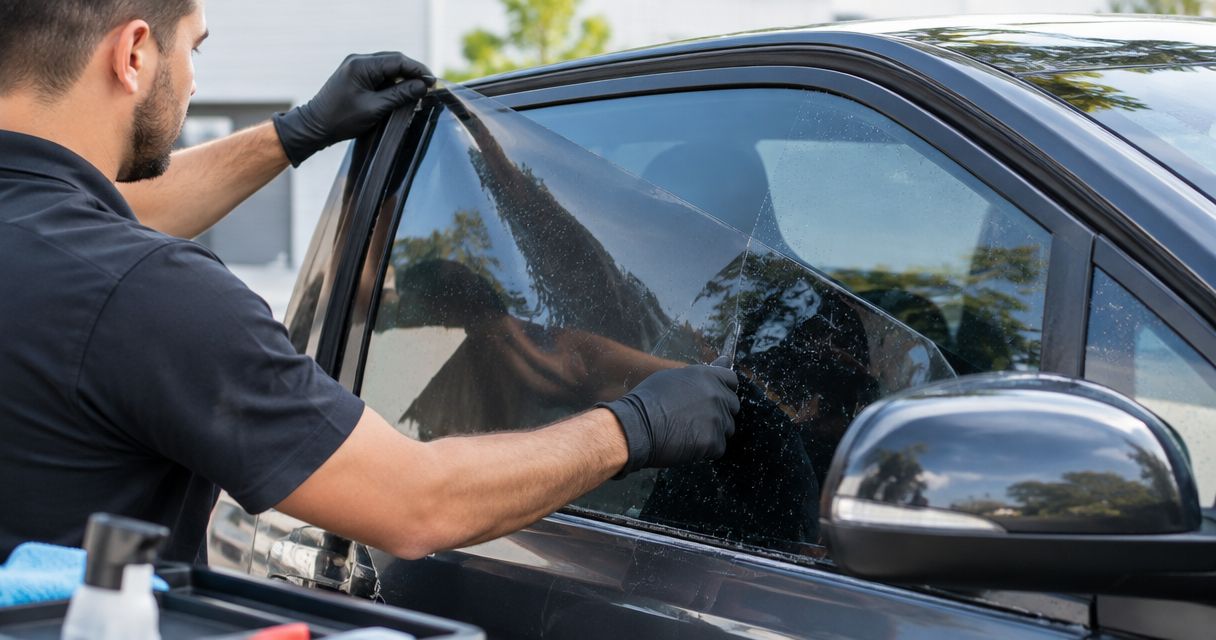
Yes. Applied window film can be removed, the remaining adhesive cleaned away, and replacement film installed on suitable glass. The old film’s condition and the features attached to the window determine how carefully the removal needs to proceed.
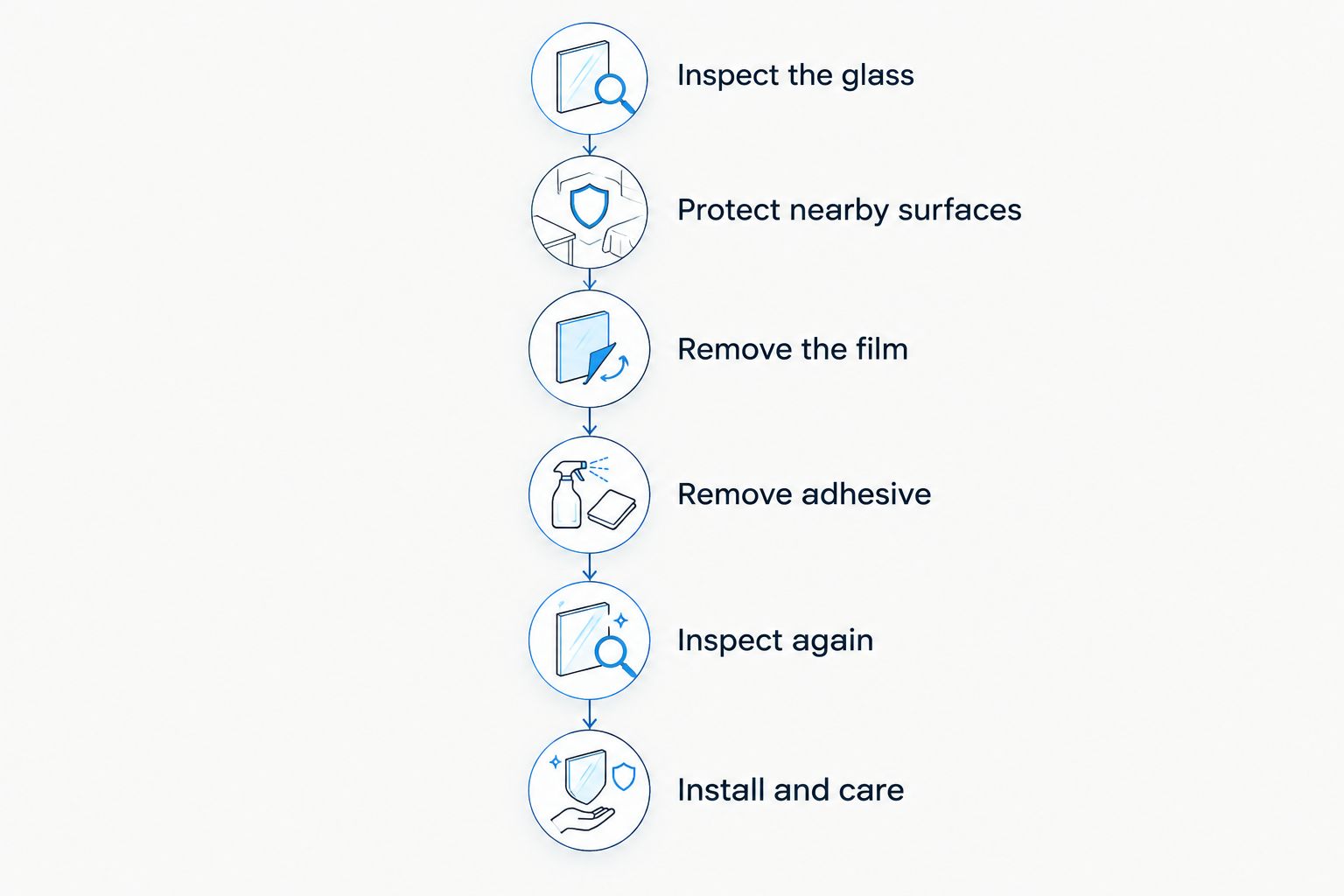
A sound replacement process follows this sequence:
- Inspect the glass. Identify applied film, factory tint, damaged glass, and any existing scratches. Check rear-window defroster lines and other visible features before disturbing the film.
- Protect nearby surfaces. Keep adhesive remover and moisture away from vulnerable trim, upholstery, switches, and electronics.
- Remove the film. Use a removal method appropriate for the film, glass, and any surface-mounted components. Do not treat every window as an ordinary piece of bare glass.
- Remove adhesive. Clean away the remaining glue with products and tools suitable for that surface. Transparent residue still matters even when it is difficult to see.
- Inspect again. Check the exposed glass before covering it. New film does not repair scratches, chips, or damaged defroster lines.
- Install and care. Apply suitable replacement film and follow its specific instructions for curing, cleaning, and operating the windows.
Ask the installer to explain the preparation before discussing the finished shade. A clear scope should distinguish film removal, adhesive cleanup, replacement installation, and any existing damage that needs attention separately.
Remove and replace, remove only, or cover the old tint?
Remove failed film before installing replacement tint. Adding film over a failing layer leaves the original adhesion problem underneath and complicates the finished result.
The right choice depends on whether you still want applied tint after the old material comes off. Use this comparison to frame that decision.
| Approach | Best for | Benefit | Limitation |
|---|---|---|---|
| Remove and replace | Owners who still want window film | Replaces damaged or unsuitable film after glass preparation | Requires removal, adhesive cleanup, and a new installation |
| Remove only | Owners who want to eliminate applied tint | Removes the existing film without adding another layer | Does not remove color built into factory-tinted glass |
| Film over old tint | Not recommended for failing film | Avoids stripping the old layer at the outset | Leaves old defects underneath and changes total light transmission |
Removal alone is a valid endpoint. You do not have to choose another film just because the vehicle already has tint.
For a 2026 replacement project, separate your goals: clearer visibility, a different appearance, or different film performance. Those goals are related, but they are not interchangeable. A darker appearance alone does not establish better heat rejection.
Why old window tint removal varies
An estimate or schedule means little without knowing the condition of the existing installation. These factors explain why the same request—remove and replace the tint—can involve different work from one vehicle to another.
- Film condition: Brittle, peeling, or separated film behaves differently from film that remains intact. Do not judge removal difficulty by appearance alone.
- Adhesive residue: The glue left behind needs its own cleanup. A window is not ready for new film simply because the tinted sheet has come off.
- Window features: Defroster lines and surface-mounted antenna elements require care. Tools appropriate for plain glass are not automatically appropriate around these features.
- Access and shape: Curved rear glass, tight corners, and nearby trim affect access. The installer needs room to work without damaging surrounding materials.
- Existing glass damage: Chips, scratches, and other defects remain after film removal. They need to be identified before a new installation conceals or emphasizes them.
- Previous layers: More than one layer adds material to remove and inspect. Tell the installer if you know tint was added over an earlier installation.
Ask what the assessment includes, not just when the vehicle will be ready. A careful explanation of these factors is more useful than a completion promise made before anyone sees the windows.
How do you know whether old tint needs replacing?
Peeling edges, a changed color, and persistent bubbles are reasons to inspect an older installation. So is a view that has become hazy or distorted. These symptoms deserve attention because the tint sits directly in your line of sight.
Do not assume every mark is failed film, however. Surface contamination, damaged glass, and moisture associated with a recent installation are different issues. Tell the installer when you first noticed the problem and whether the film is newly installed or has been on the vehicle for a long time.
For an older installation, take clear photos from inside and outside before your appointment. Include the whole window and close views of lifting edges or bubbles. Photos help explain the concern, but they do not replace an inspection of the glass.
If visibility is affected, address that first. Matching the shade of the other windows comes second.
Can factory window tint be removed the same way?
Factory-colored glass cannot be peeled clear like applied window film. Color within the glass is part of the glazing rather than a removable sheet attached to its surface.
A vehicle can have factory-colored glass with aftermarket film added over it. Removing that film leaves the factory color in place, so the result will not necessarily look like an untinted front window.
Before selecting replacement tint in 2026, ask the installer to identify the existing glass and film separately. This distinction affects both the appearance you can achieve and the amount of visible light that passes through the finished window.
Avoid judging the original installation only by how dark it looks. An inspection of the edges and the glass helps establish what is removable and what is not.
Can removing tint damage rear-window defroster lines?
Removing tint can damage rear-window defroster lines if the removal process pulls on or scrapes the conductive material attached to the glass. That risk makes the rear window a different job from a plain side window.
Tell the installer about any defroster sections that already do not work. Documenting existing problems gives you a clearer starting point and prevents an old fault from being confused with a new one.
Do not attack a stubborn patch with a metal scraper or an aggressive abrasive. An adhesive problem is not a reason to risk the components underneath it. If the film resists removal around defroster lines, stop and have the window assessed.
Replacement film will not restore a broken electrical connection. Defroster repair and tint replacement are separate issues, even when they involve the same piece of glass.
How should you choose replacement tint?
Choose replacement film around visibility, lawful use, appearance, and documented performance. Ask for the film’s specifications rather than relying on words such as dark or premium.
Visible light transmission, usually shortened to VLT, describes how much visible light passes through a material. A lower VLT means less visible light passes through. The existing glass and the added film both affect the finished window, so a film label alone does not tell the whole story.
For a 2026 North Carolina installation, confirm the current requirements for your vehicle and the particular windows being tinted. Do not assume another vehicle’s installation establishes what is permitted on yours. The guide to how dark you can legally tint your windows in NC provides related context for that conversation.
Ask these questions before approving the work:
- What condition is the existing film in?
- Does the scope include all remaining adhesive?
- Are there existing glass or defroster defects?
- How will the selected film work with the existing glass?
- What written care instructions apply after installation?
There is no single correct shade for every driver. Your nighttime visibility and the applicable rules matter more than copying a look from another vehicle.
Where Royal Touch fits into your vehicle care
Royal Touch Mobile Detailing LLC is a fit for vehicle owners seeking window tint and mobile detailing. The family-owned company offers auto, RV, and aviation detailing alongside ceramic coating, paint correction, and window tint services.
The benefit of discussing your wider care needs is practical: you can explain how you use the vehicle and what you want to protect. The limitation is equally important—detailing and new tint do not repair damaged glass or failed defroster lines.
Ask about the existing film and the removal work your vehicle needs before treating replacement as a straightforward installation. For aircraft, keep the discussion separate from automotive tint; aircraft materials and applicable requirements need their own assessment.
Discuss Your Window Tint Needs
Explain the condition of your existing film and ask about the next step for your vehicle.
FAQ
Can old window tint be removed and replaced on the same day?
Same-day removal and replacement depends on the film condition, adhesive cleanup, glass condition, and appointment scope. Have the installer assess the existing tint before relying on a completion time.
Can I put new window tint over bubbling old tint?
Remove bubbling old tint before installing replacement film. Another layer leaves the failing film underneath rather than correcting the underlying problem.
Will removing old tint make my windows completely clear?
Removing old tint removes applied film, not color built into factory-tinted glass. Any factory color remains after the film and adhesive are removed.
Can I replace the tint on just one window?
You can replace applied tint on an individual window. Matching the remaining windows requires checking the existing film and glass, and an exact visual match is not something to assume.
Will new window tint hide scratches in the glass?
New window tint does not repair scratches in the glass. Inspect the exposed window after removal and address glass defects separately before installing replacement film.
How soon can I roll my windows down after replacement tint?
Follow the replacement film’s specific instructions before rolling the windows down. Ask for written aftercare guidance because the film, installation conditions, and weather affect curing.
Does Royal Touch Mobile Detailing LLC offer window tint services?
Royal Touch Mobile Detailing LLC offers window tint services alongside mobile detailing, ceramic coating, and paint correction. Describe the existing film and ask about the assessment needed for a removal-and-replacement project.
One last thing
Before your 2026 tint replacement appointment, photograph the rear glass and note whether the defroster works. This simple record gives you and the installer a shared starting point.
The most useful question is not just whether the old film can come off. Ask: What needs attention before new film goes on? That keeps the conversation focused on clean preparation, clear visibility, and work done with care.