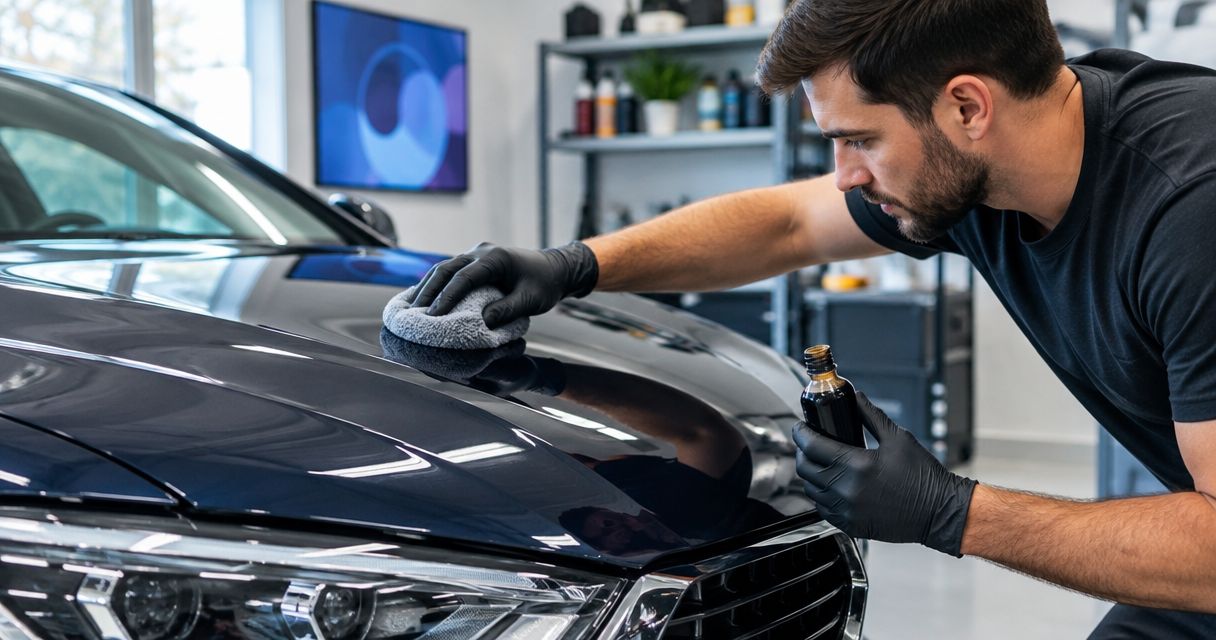
Yes, ceramic coating can be applied after paint correction, once polishing residue has been removed and the paint is prepared according to the coating manufacturer’s instructions. Correction improves the paint’s appearance; coating adds surface protection, but it does not remove remaining scratches or replace careful washing.
- Can ceramic coating be applied over paint correction? Yes—correct, clean, inspect, then coat.
- Paint correction improves existing defects; ceramic coating does not repair scratches or failed clear coat.
- Royal Touch Mobile Detailing LLC offers paint correction and ceramic coating for owners seeking appearance improvement and protection.
- Follow the selected coating’s preparation and curing instructions rather than a universal waiting period.
Can ceramic coating be applied over paint correction?
Yes. Paint correction belongs before ceramic coating when the paint needs polishing. The coating goes onto the prepared paint surface—not onto leftover polishing oils, wax, or residue.
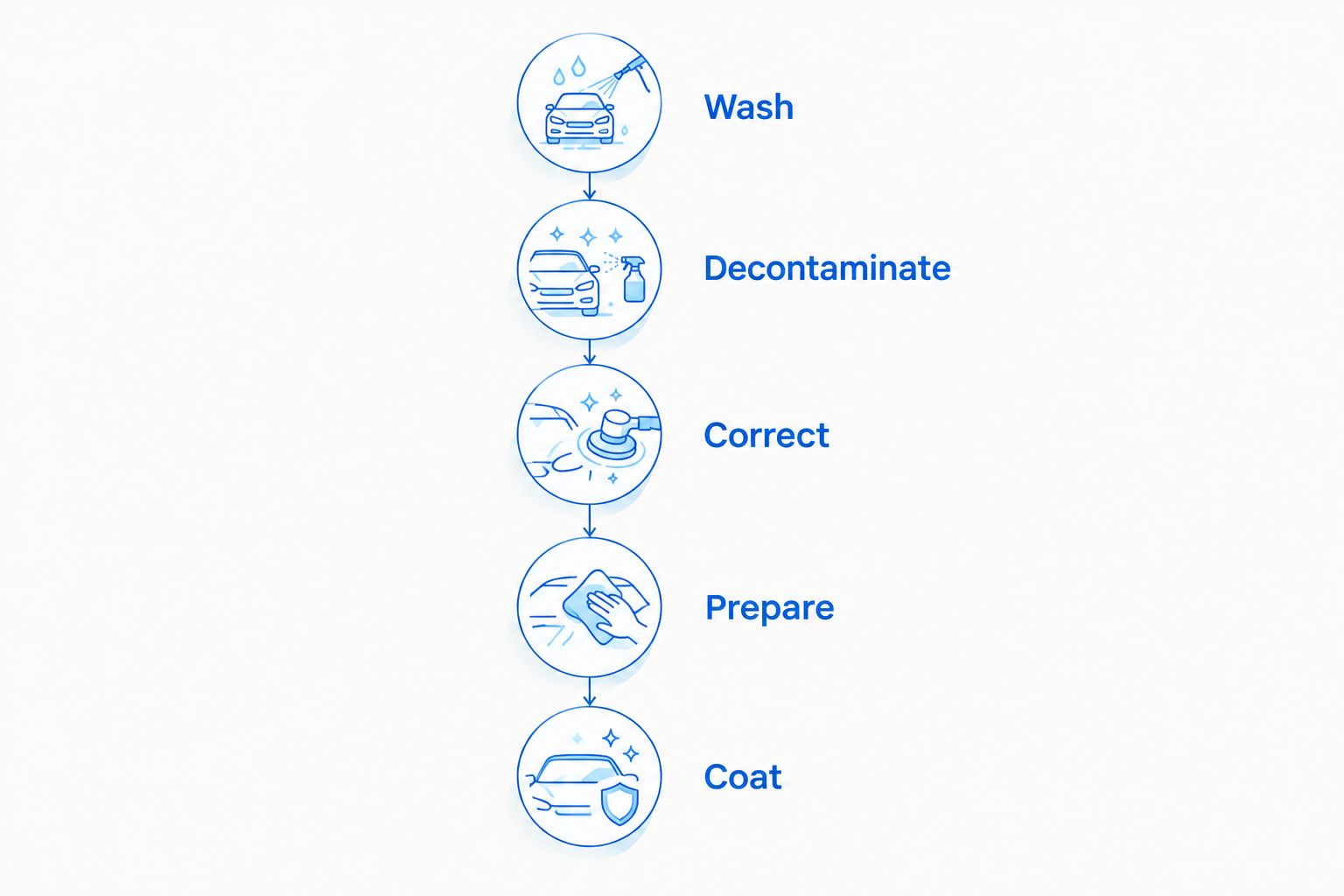
For a 2026 protection plan, the practical order is:
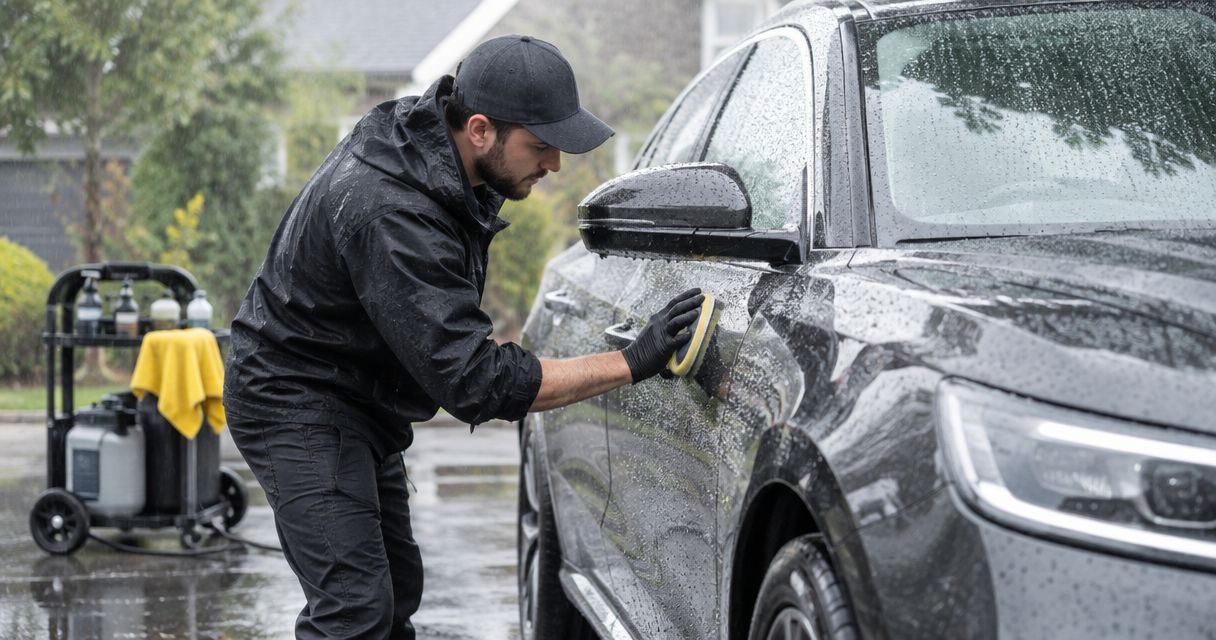
- Wash: Remove loose dirt without dragging it across the finish.
- Decontaminate: Address bonded contamination using methods suited to the surface.
- Correct: Polish only as much as the paint condition safely allows.
- Prepare: Remove polishing residue using the coating manufacturer’s specified process.
- Inspect: Check the finish before applying the coating.
- Coat: Apply and cure the selected coating according to its instructions.
The important distinction is simple: correction changes the finish; coating protects the prepared surface.
Why this matters
Royal Touch Mobile Detailing LLC’s faith-driven service puts doing work right the first time at the center of vehicle care. For owners considering Royal Touch Mobile Detailing LLC, that means discussing the paint’s condition and the desired result before choosing protection.
A daily driver does not need the same appearance goal as a carefully maintained performance car. Both need a sensible plan that respects the existing finish. Premium vehicles and aircraft also call for surface-specific decisions rather than assuming every painted surface accepts the same treatment.
Royal Touch Mobile Detailing LLC is a fit for vehicle owners seeking mobile paint correction and ceramic coating services. The benefit is access to both services; the limitation is that neither service substitutes for repainting damaged paint or maintaining the vehicle afterward.
What needs to happen between polishing and coating?
The transition from correction to coating deserves its own attention. A glossy surface is not automatically ready for an application.
Remove correction residue
Polishing products can leave oils and residue behind. Those materials can obscure the true condition of the finish and interfere with the clean surface the coating requires.
Use the preparation process specified for the selected coating. An improvised cleaner or stronger mixture is not automatically a better choice, especially around sensitive trim or unfamiliar finishes.
Ask whether the correction product leaves fillers, wax, or other protection behind. The answer determines what preparation is needed before coating—not whether the paint looks shiny under the shop lights.
Inspect the actual finish
Inspect the paint after residue removal, not just immediately after polishing. Look for remaining swirl marks, polishing haze, and scratches under suitable lighting.
A test area helps establish what improvement is realistic before treating the whole vehicle. It also creates a stopping point: if a defect requires more removal than the paint safely permits, preserving the finish takes priority over chasing perfection.
For your 2026 appointment, agree on the appearance goal before coating begins. Once protection is applied, correcting an overlooked defect generally means polishing the affected area and preparing it for protection again.
Confirm surface suitability
Factory paint, repainted panels, matte finishes, protective films, and aircraft surfaces require different considerations. Do not treat them as interchangeable simply because each looks smooth.
Disclose repainting, previous coatings, and known repairs. For fresh paint, follow the refinisher’s instructions before applying protection; a generic waiting period is not a substitute for guidance about that paint system.
Control application conditions
The coating’s instructions determine acceptable application conditions, surface preparation, and cure care. Arrange a suitable work area before correction starts so the prepared paint does not become contaminated while waiting.
For mobile work, ask how the location and weather affect the appointment. Convenience matters, but it should not replace the conditions required by the selected product.
Which preparation approach fits your paint?
Choose the preparation level by paint condition, not by the assumption that more polishing always produces a better result. The following approaches describe different starting points, not named service packages.
| Preparation approach | Best for | Main benefit | Main limitation |
|---|---|---|---|
| Preparation without correction | Sound paint with an appearance you already accept | Avoids unnecessary abrasive polishing | Existing visible defects remain |
| Light correction before coating | Paint with light swirls or mild haze | Improves clarity before protection | Does not address every deeper defect |
| More involved correction before coating | Paint needing additional refinement after inspection | Addresses more visible imperfections where safe | Requires more work and removes more paint material |
| Repair assessment before coating | Peeling, failing, or significantly damaged paint | Identifies problems polishing cannot solve | Coating must not be treated as the repair |
Preparation without correction: best for acceptable paint
Correction is not mandatory just because you want ceramic coating. If the finish is sound and you accept its appearance, appropriate cleaning and preparation can be the relevant next step.
The trade-off is visibility. Coating does not make existing swirls disappear, so inspect the paint before deciding to leave them in place.
Light correction: best for modest appearance improvement
A lighter polishing approach suits paint that needs refinement rather than extensive defect removal. The goal is a cleaner-looking finish without unnecessary abrasion.
Do not judge this approach by a promised correction percentage. Judge it by an inspected test area and whether the result meets your expectations.
More involved correction: best for paint needing further refinement
Additional correction can address defects that a lighter approach leaves behind, where the paint permits it. It also adds work and makes paint preservation especially important.
The sensible endpoint is not always a flawless finish. Some scratches are better left alone than pursued through excessive polishing.
Why preparation before ceramic coating varies
Your 2026 coating plan should reflect the vehicle in front of the detailer. These factors change the preparation required:
- Paint condition: Light wash marks, deeper scratches, and failing clear coat call for different decisions.
- Previous work: Repainted panels, earlier polishing, and existing protection affect preparation choices.
- Finish type: Gloss paint, matte paint, films, and other surfaces need compatible methods and products.
- Your appearance goal: Improving a daily driver is different from pursuing a highly refined finish on a display vehicle.
- Selected coating: The manufacturer’s preparation, application, and cure instructions govern the process.
- Work location: A suitable application environment must be available, including for a mobile appointment.
These factors explain why a vehicle inspection matters more than a universal correction formula. Tell the detailer what bothers you most, then ask what can be improved safely.
What should you ask before booking correction and coating?
Ask about the preparation process before asking how glossy the finished vehicle will look. A clear scope helps you understand what the appointment includes and which defects will remain.
Bring photographs of your concerns, but expect the final assessment to depend on inspecting the paint. Photographs do not show every scratch, finish problem, or previous repair.
Use these questions during the booking conversation:
- What paint defects are you planning to improve?
- Which defects should remain to avoid excessive polishing?
- How will polishing residue be removed before coating?
- Is the selected coating suitable for every surface being treated?
- What conditions does the mobile work location need?
- What care instructions apply after the vehicle is returned?
Also discuss scheduling. The correction work, final preparation, application, and initial cure requirements all belong in the plan. The guide to how long paint correction takes to complete explains why correction timing deserves its own conversation.
For a 2026 booking, describe how you use the vehicle: commuting, outdoor parking, occasional driving, or scheduled commercial work. That context helps set a practical appearance goal and a workable aftercare plan without treating every vehicle alike.
Discuss Your Paint Protection Plan
Ask about paint correction, ceramic coating, and preparation for your vehicle.
How soon after paint correction can ceramic coating be applied?
Ceramic coating can follow paint correction once final preparation is complete and application conditions meet the selected coating’s instructions. There is no universal waiting period that applies to every product and surface.
Do not confuse recently polished paint with freshly repainted paint. Polishing refines an existing finish; repainting introduces a paint system with its own requirements before protection.
If the vehicle must move or sit between these steps, protect the prepared surface from contamination and inspect it again before coating. The sequence matters more than squeezing the work into an arbitrary deadline.
Will ceramic coating hide scratches left after correction?
Ceramic coating does not remove scratches left after correction. If a mark remains visible on the properly prepared paint, do not expect coating to repair it.
Discuss remaining defects before application. You can accept them, request further assessment where safe, or investigate paint repair when polishing is not the appropriate solution.
Coating also does not make a vehicle scratch-proof. Careless washing can still mark the finish, so protection and careful maintenance need to work together.
Do RVs and aircraft follow the same correction-and-coating process?
The general order—assess, clean, refine where appropriate, prepare, then protect—applies only when the surface and selected products are compatible. An RV’s exterior materials and an aircraft’s surfaces should not automatically receive the same treatment as automotive gloss paint.
Private aircraft owners, flight schools, and charter operators should confirm the proposed products and procedures against the applicable aircraft maintenance guidance. Appearance work must respect aircraft-specific requirements, including sensitive areas and exterior components.
For RV owners, identify whether the surface is painted, gelcoat, a graphic, or another material before approving polishing or coating. The label on the vehicle matters less than the actual surface being treated.
FAQ
Can ceramic coating be applied over paint correction?
Yes, ceramic coating can be applied after paint correction once polishing residue is removed and the surface meets the selected coating’s preparation requirements. Correction improves the finish; coating adds protection.
Do I have to get paint correction before ceramic coating?
No, paint correction is not automatically required before ceramic coating. Sound paint with an appearance you accept still needs appropriate cleaning and coating-specific preparation.
Can I apply ceramic coating straight over polishing oils?
No, do not assume a surface with polishing oils is ready for ceramic coating. Follow the coating manufacturer’s preparation instructions to remove incompatible residue before application.
Will ceramic coating fix scratches that polishing leaves behind?
No, ceramic coating does not repair scratches left behind after polishing. Agree on acceptable remaining defects before the coating is applied.
Can a newly repainted car be corrected and coated immediately?
Follow the refinisher’s instructions before correcting or coating newly repainted panels. Fresh paint has requirements that differ from an established finish that has simply been polished.
Can I wash my car immediately after ceramic coating?
Follow the selected coating’s cure and washing instructions rather than washing immediately by default. Ask for clear aftercare guidance before the vehicle is returned.
Does Royal Touch Mobile Detailing LLC offer paint correction and ceramic coating?
Yes, Royal Touch Mobile Detailing LLC offers paint correction and ceramic coating as part of its mobile detailing services. Discuss your vehicle’s condition, work location, and desired result when arranging service.
One last thing
The best time to question a remaining scratch is before the coating goes on. Walk around the prepared vehicle with the detailer, identify the marks that remain, and confirm which ones are intentionally being left alone to preserve the paint.
For your 2026 protection plan, ask for the aftercare instructions before application day—not after your next wash is already scheduled. Knowing how to handle washing, outdoor exposure, and the initial cure period makes the handoff more useful than a final photograph of glossy paint.