
Fleet vehicles should be detailed when their condition calls for more than routine cleaning, with earlier attention for passenger-facing vehicles, spills, persistent odors, and heavy road grime. Set the schedule around inspections, vehicle use, and time off the road—not a fixed interval that treats every vehicle alike.
- How often should fleet vehicles be detailed? Use condition checks, passenger turnover, and exposure—not one fleet-wide interval.
- Separate routine fleet cleaning from deep interior detailing, paint correction, and protective coating work.
- Royal Touch Mobile Detailing LLC suits fleet managers seeking mobile auto care with a faith-driven service approach.
- Inspect after demanding assignments and address spills promptly rather than waiting for the next scheduled detail.
How often should fleet vehicles be detailed?
Detail fleet vehicles when routine cleaning no longer restores the condition you need for their next assignment. Build a recurring inspection into vehicle handoffs, then book the work those inspections identify. A clean, lightly used vehicle does not need the same treatment as a shared van carrying muddy equipment.
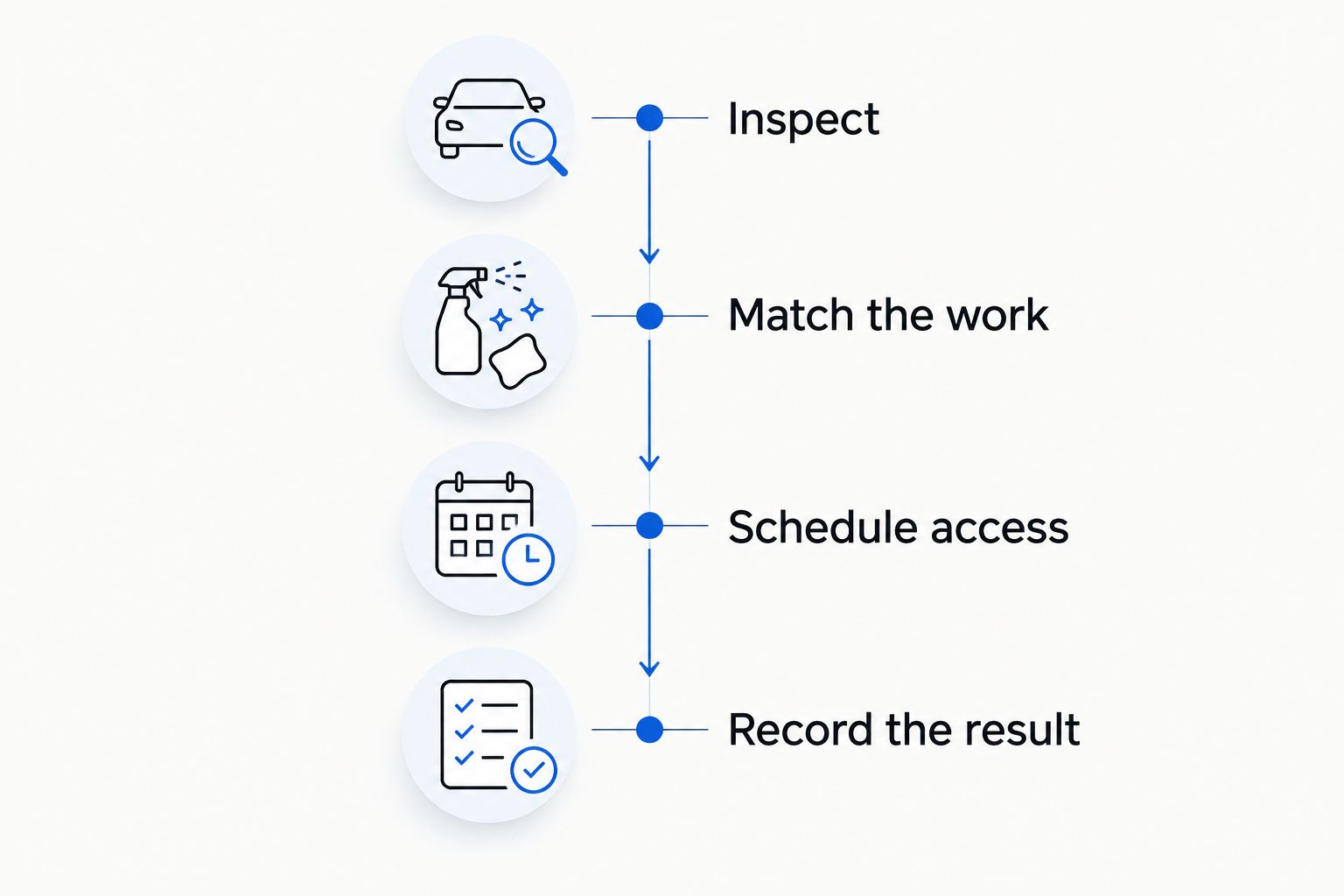
Use this sequence for your 2026 fleet care plan:
- Inspect the vehicle. Check seats, floors, cargo areas, glass, exterior contamination, and any reported odors.
- Match the work. Decide whether the vehicle needs routine cleaning, deeper detailing, or a separate assessment of paint damage.
- Schedule access. Choose a service window that allows the agreed work and any necessary drying before dispatch.
- Record the result. Note what was cleaned, what remains, and whether a repair or different service is needed.
- Adjust the plan. Bring the next inspection forward when vehicles return dirtier or complaints recur.
This approach also separates a cleanliness problem from a maintenance problem. A leaking seal, damaged seat, or recurring moisture source needs attention beyond detailing.
Why this matters
Faith-driven service and a commitment to doing work right the first time shape the approach at Royal Touch Mobile Detailing LLC, whose services cover auto, RV, and aviation detailing. That care-minded approach matters whether you manage premium passenger vehicles or everyday work vehicles: agree on the problem before choosing the treatment.
For your fleet, the practical goal is a vehicle ready for its next job. Appearance matters, but so do clean glass, usable seating, dry upholstery, and clear communication about anything detailing cannot fix.
A calendar alone does not tell you whether those conditions are met. Inspection does.
Choose the level of care before choosing the interval
A wash, an interior detail, paint correction, and ceramic coating are different jobs. Scheduling them together by default makes it harder to see what each vehicle actually needs.
Use this comparison when assigning work. The “best for” labels describe the task, not a promise that every vehicle needs every service.
| Service | Best for | Main benefit | Limitation |
|---|---|---|---|
| Routine cleaning | Loose dirt, fresh mess, and regular presentation checks | Keeps everyday buildup under control | Does not replace deeper stain or odor assessment |
| Deep interior detailing | Embedded dirt, soiled upholstery, and neglected cabin areas | Gives affected materials more focused attention | Wet cleaning requires drying time; some damage remains |
| Exterior detailing | Road film and contamination needing more than a basic wash | Allows closer cleaning and inspection of the finish | Does not repair chips, dents, or every scratch |
| Paint correction | Suitable paint with assessed surface defects | Addresses eligible finish defects | Removes some clear coat and should not be a routine calendar task |
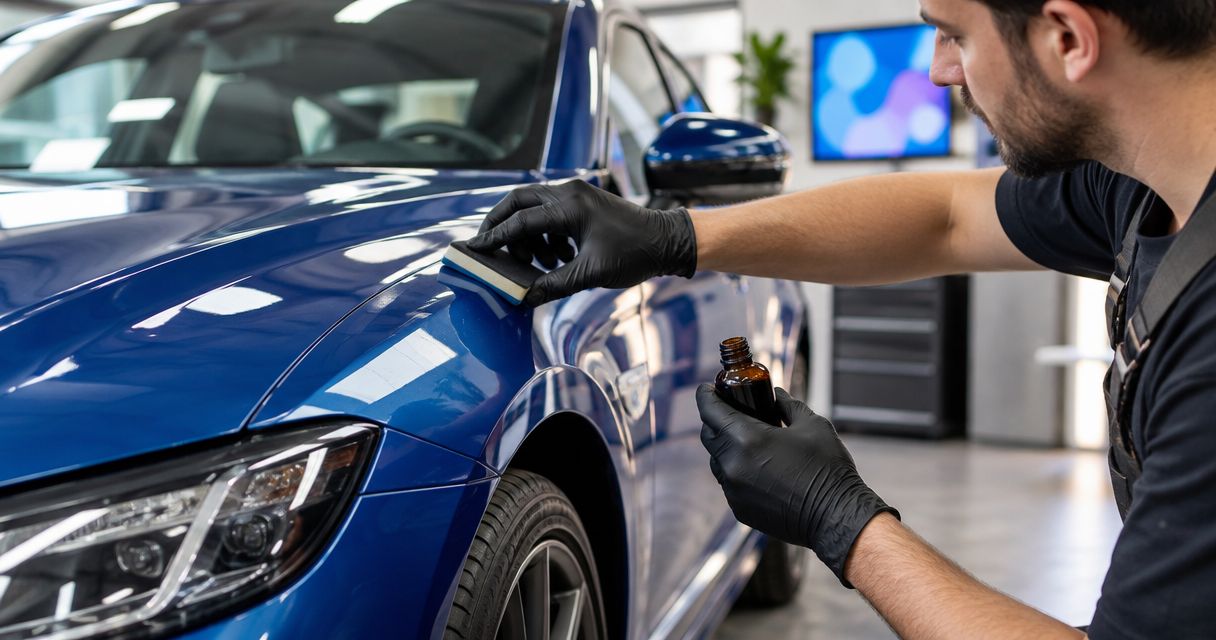
| Ceramic coating | Suitable, prepared surfaces needing added protection | Adds a protective surface treatment | Does not eliminate washing or prevent all damage |
Authorize the least intensive work that addresses the actual condition. If the cabin is clean but the exterior needs attention, specify exterior work rather than automatically ordering a full interior treatment.
For a 2026 service request, list the affected areas and your return-to-service requirements. A precise scope is more useful than asking for “the usual.”
Passenger-facing vehicles: inspect at each handoff
Passenger-facing vehicles need a presentation check before you put them back into service. Look for crumbs, fingerprints, spills, seat marks, odors, and dirty glass rather than relying on the previous driver's impression.
Between assignments, routine cleaning can address ordinary mess. Book deeper detailing when dirt remains after that cleaning, upholstery needs treatment, or an odor source needs investigation.
The trade-off is service access. Thorough interior work needs a suitable window, especially when fabrics require wet cleaning. Do not schedule the next passenger pickup on the assumption that every surface will be ready immediately.
Luxury and performance vehicles also need care suited to their materials. Tell the detailer about delicate trim, existing damage, and previous treatments before work begins.
Work trucks and service vans: separate cabin care from cargo care
Work vehicles need a different inspection emphasis from passenger cars. Check footwells, seat edges, door pockets, cargo floors, and the areas around stored equipment.
A dusty cargo area does not automatically justify wet-cleaning every seat. Equally, a tidy exterior does not mean the driver's cabin is clean. Assign the work by area so the cleaning scope follows the actual use.
Ask drivers to remove tools, personal items, and loose materials before the appointment. Record anything that must stay in place, including installed equipment and sensitive controls.
For vehicles exposed to chemicals, bodily fluids, or unknown substances, identify the material before arranging ordinary detailing. Do not treat a potentially hazardous cleanup as a standard cosmetic service. Seek an appropriately qualified provider when the situation requires one.
Light-use vehicles: inspect even when mileage is low
Low mileage is not a complete condition report. A parked vehicle can still collect dust, bird droppings, tree residue, or moisture, depending on where it sits.
Inspect before returning a stored vehicle to service. Check the cabin, exterior, and glass, and report any signs of leaks or pests through your maintenance process.
The benefit of condition-based scheduling is avoiding unnecessary intensive work. Its limitation is that someone must actually inspect the vehicle; “rarely driven” cannot become a reason to stop checking it.
Keep the 2026 record simple enough that drivers and dispatchers will use it. A short condition note is better than a detailed form that stays blank.
Why fleet detailing frequency varies
The right interval follows how the vehicle gets dirty, what you expect from its appearance, and when it can be serviced. Use these factors to explain differences within the same fleet:
- Passenger turnover: More handoffs create more opportunities for litter, spills, and overlooked mess. Inspect seating and touchpoints before reassignment.
- Work environment: Mud, loose dirt, and equipment residue call for a different cleaning scope from ordinary commuting.
- Outdoor exposure: Inspect vehicles parked near trees or exposed to road grime for contamination that needs prompt attention.
- Interior materials: Fabric, leather, vinyl, and specialty trim need suitable methods. Do not assume every surface accepts the same treatment.
- Existing protection: Follow the care instructions for installed coatings, wraps, and tint rather than treating protection as permission to skip cleaning.
- Service access: Vehicle availability, a suitable work area, and drying requirements affect when work can be completed and the vehicle returned.
Review these factors when routes, drivers, parking, or assignments change. The schedule should reflect the current job, not the job the vehicle had when it entered the fleet.
Build a repeatable inspection-to-service process
Assign a person responsible for reporting condition and another for approving work, even if one employee fills both roles. That prevents drivers from assuming dispatch has booked a detail while dispatch assumes the vehicle is ready.
Use four labels in the vehicle record: Inspect, Match the work, Schedule access, and Record the result. Keep the same labels across your fleet so a handoff does not require interpreting someone else's shorthand.
Record unresolved issues separately from completed cleaning. If a stain remains or an odor returns, that information should reach the next person assigning the vehicle—not disappear when the appointment closes.
For your 2026 process, use consistent photos of problem areas where appropriate. Avoid capturing customer documents, personal belongings, or other sensitive information in those images.
Do ceramic coatings or fleet wraps change the schedule?
Ceramic coatings and wraps change the care instructions, not the need to inspect and clean the vehicle. Follow the applicable product and installer guidance, and tell the detailer what is on the surface before authorizing treatment.
For coated vehicles, separate routine cleaning from a coating assessment. Poor appearance alone does not establish that a coating needs replacement; contamination and surface condition need evaluation first. The guide to ceramic coating for fleet vehicles covers that protection decision separately from ordinary cleaning.
Wrap work also needs coordination. When arranging fleet wrap installation, confirm surface preparation and aftercare requirements with the installer before booking polishing, protective treatments, or the next exterior detail. Those instructions belong in the vehicle record so a later cleaning appointment does not conflict with them.
The advantage of protective treatments is an additional layer suited to a defined purpose. The limitation is continued care: neither a wrap nor a coating makes the underlying vehicle maintenance-free.
How do you fit detailing around dispatch?
Book detailing against confirmed vehicle availability, not an assumed quiet period. Tell the provider when the vehicle becomes accessible, what work is requested, and when it must return to duty.
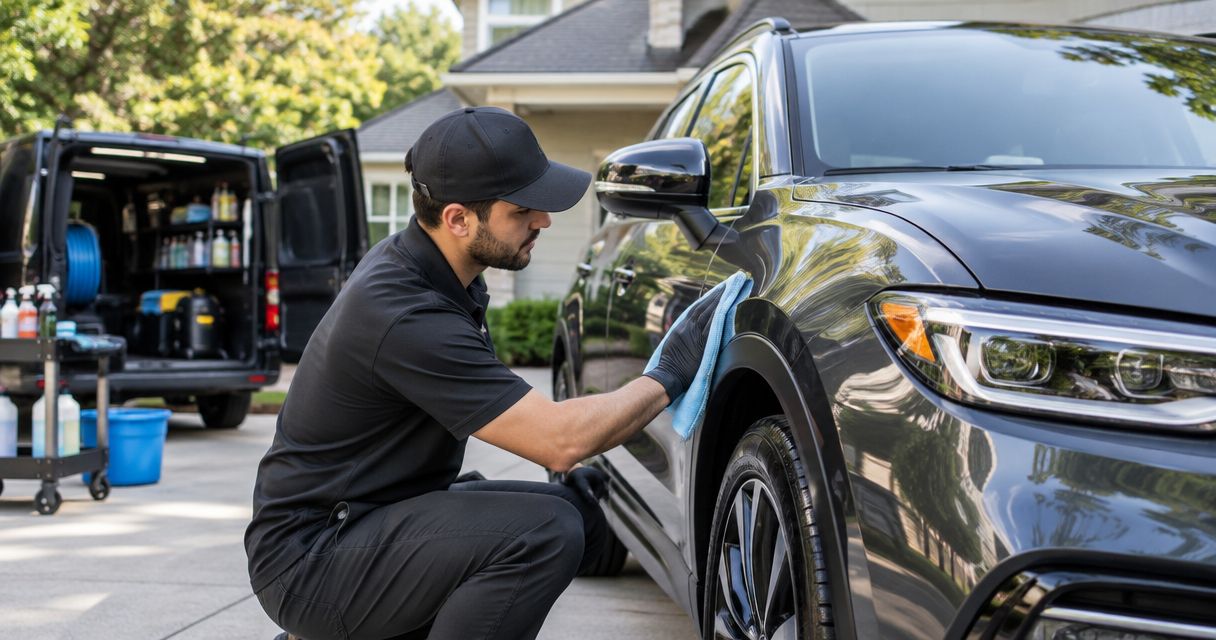
Mobile service avoids a separate trip to a detailing location, but the work still needs access and coordination. Confirm parking permission, working space, keys, weather arrangements, and any site requirements before the appointment.
Royal Touch Mobile Detailing LLC is best for fleet managers seeking mobile auto detailing with a faith-driven service approach. The company serves customers throughout North Carolina and parts of Virginia and South Carolina; confirm whether your location and requested work fit before planning vehicle downtime.
Mobile convenience is not the same as uninterrupted vehicle availability. Discuss drying and any treatment-specific restrictions before dispatch commits the vehicle to another assignment.
Should every fleet vehicle follow the same detailing schedule?
No—fleet vehicles should share inspection standards, not necessarily identical detailing appointments. Group vehicles by use and condition so a passenger car, work van, and lightly used backup vehicle receive appropriate attention.
Keep the standard clear: what counts as ready for service, who checks it, and what triggers a booking. Consistency comes from that decision process, not from ordering identical work.
Does a full detail replace regular cleaning?
No—a full detail does not replace regular cleaning between appointments. Remove litter and address fresh mess promptly, then use deeper detailing for conditions routine care does not resolve.
Waiting for a major appointment leaves the vehicle carrying today's mess until a later date. Give drivers a clear reporting route for spills and odors so those issues do not wait silently.
When should a vehicle be checked again after detailing?
Check the vehicle before returning it to service. Review the agreed work, confirm the interior is ready for use, and record anything that remains unresolved.
Then resume the normal handoff inspection. A completed detail records the vehicle's condition at that appointment; it does not establish how clean the next assignment will leave it.
FAQ
How often should fleet vehicles be detailed in 2026?
Fleet vehicles should be detailed when inspections show that routine cleaning no longer meets their condition or presentation needs. Base the appointment on use, contamination, interior condition, and available service time.
Should passenger vehicles be detailed after every trip?
Passenger vehicles need a condition check after use, not automatically a full detail after every trip. Address ordinary mess with routine cleaning and arrange deeper work when the inspection identifies it.
Does a ceramic-coated fleet vehicle still need detailing?
A ceramic-coated fleet vehicle still needs cleaning and condition checks. Follow the coating's care instructions and assess contamination before deciding whether separate coating work is needed.
Can mobile detailing fit around fleet operations?
Mobile detailing can be scheduled around confirmed vehicle availability, subject to the provider's arrangements and site requirements. Agree on access, requested work, drying needs, and return-to-service timing before booking.
Should fleet paint correction be done on a recurring schedule?
Fleet paint correction should follow an assessment of suitable paint defects, not an automatic recurring schedule. Routine cleaning and paint correction serve different purposes.
Can detailing remove every fleet vehicle odor?
Detailing does not guarantee removal of every odor. Identify the source, report leaks or recurring moisture, and agree on the treatment scope before work begins.
What should I tell Royal Touch Mobile Detailing LLC before booking?
Tell Royal Touch Mobile Detailing LLC your location, vehicle types, condition concerns, existing surface treatments, and required service window. Confirm the work and access arrangements before taking vehicles off the schedule.
One last thing
A recurring mess is also an operations signal. If the same vehicle repeatedly returns with wet carpet, cargo residue, or an unexplained odor, investigate the cause rather than simply repeating the same cleaning request.
Make that your final 2026 scheduling rule: record why a vehicle needs detailing, not just when it was detailed. That small distinction helps you choose the next action—cleaning, a different treatment, or maintenance—with a clearer purpose.