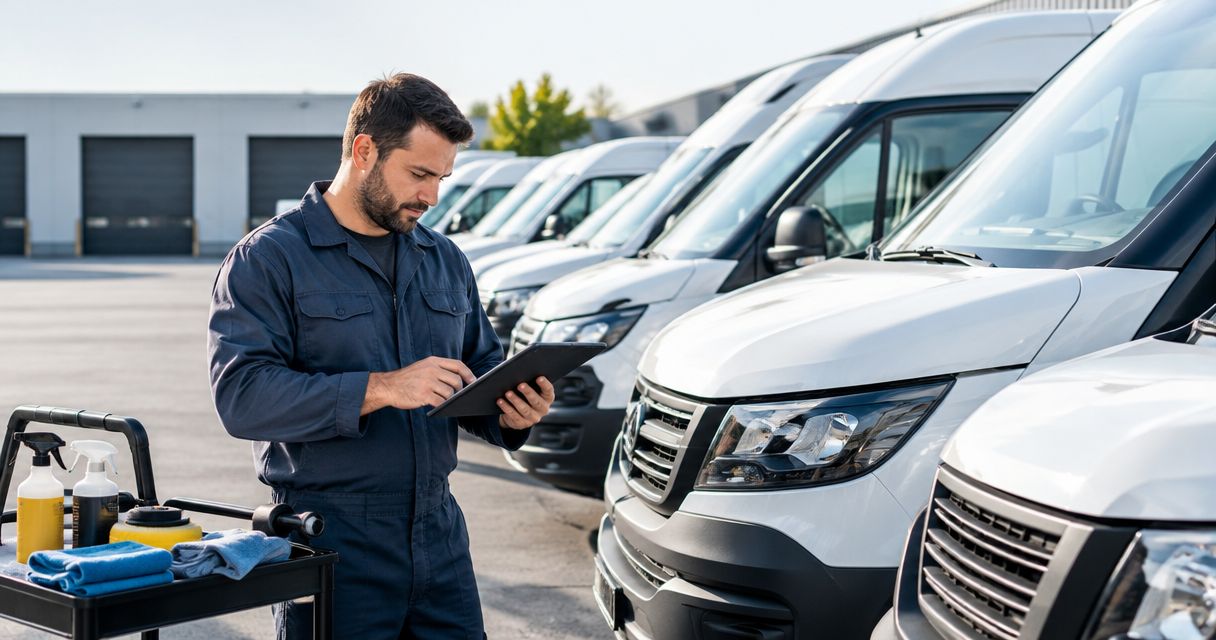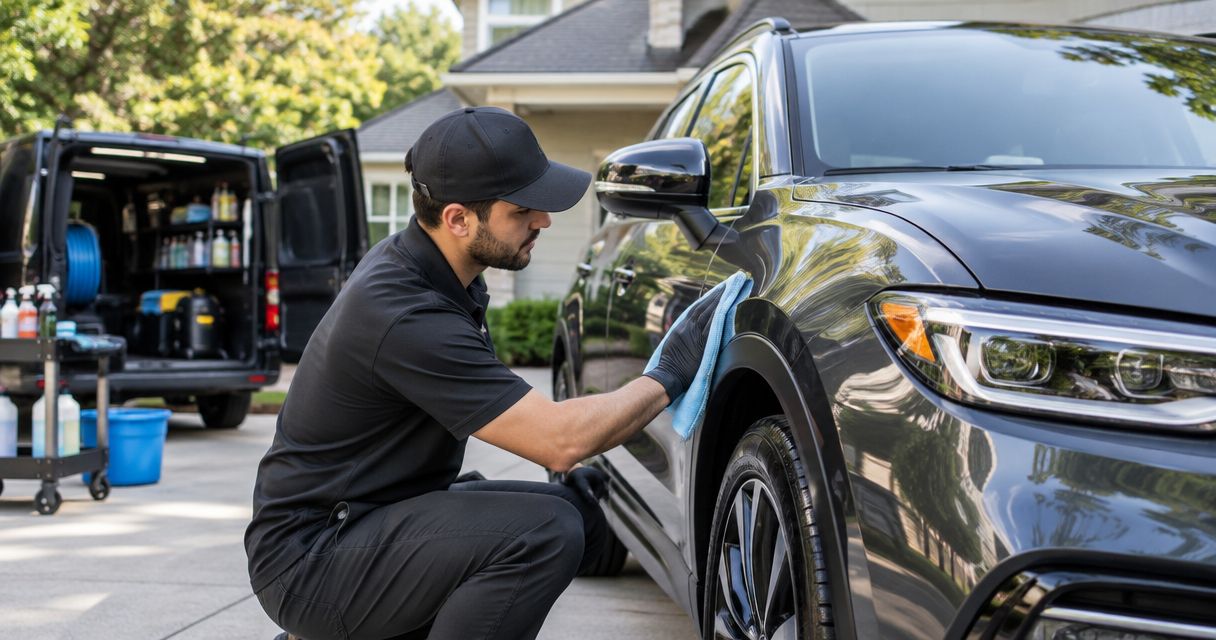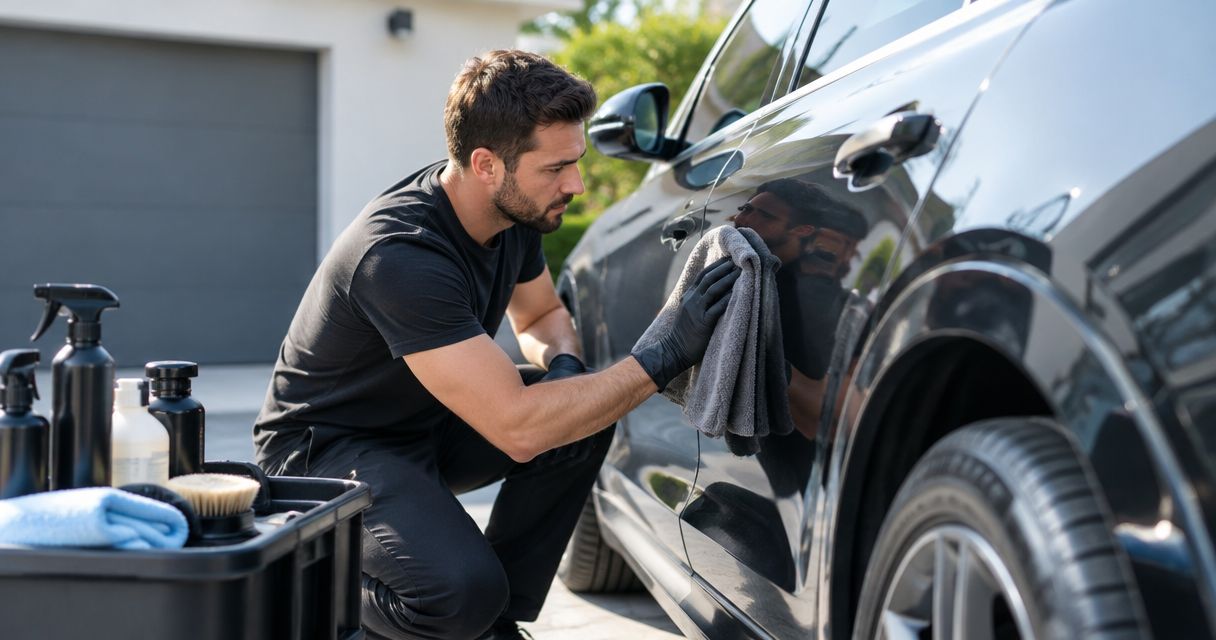
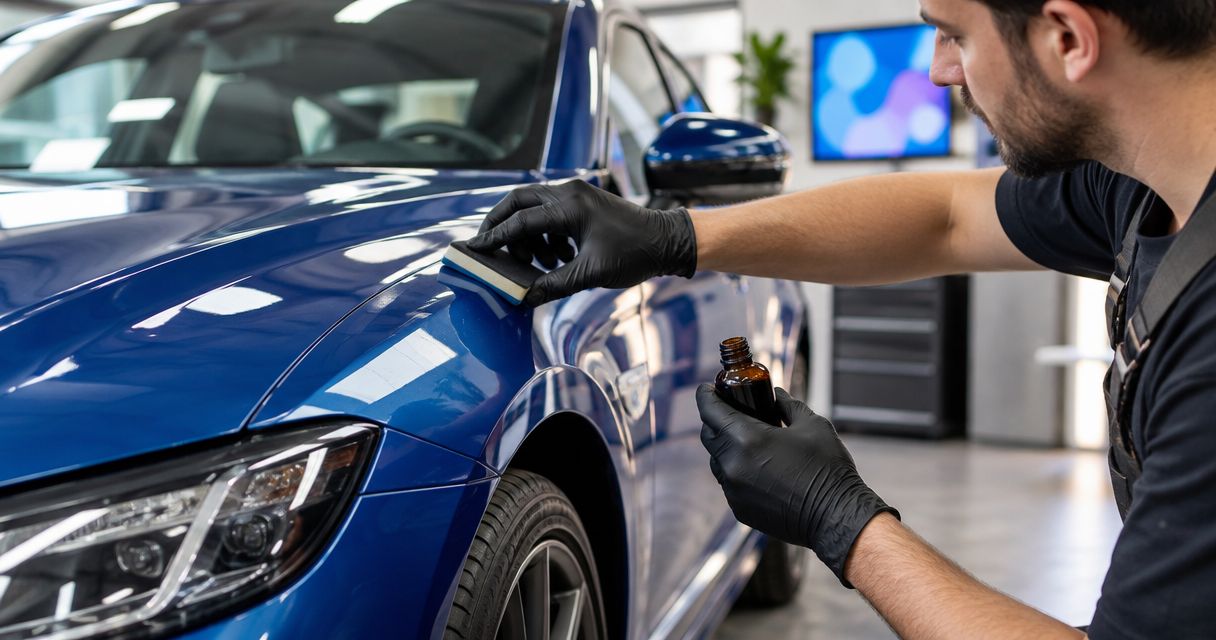
Yes, ceramic coating can be applied to a vehicle wrap when the coating is approved for that specific film and finish. A compatible coating can help water and dirt release during cleaning, but it does not repair damaged vinyl or turn the wrap into protection against rock chips. Before application, confirm compatibility, inspect the wrap, and follow the film and coating manufacturers’ preparation and curing instructions.
- Can ceramic coating be applied to a vehicle wrap? Yes, when the coating is compatible with the film and finish.
- Gloss, satin, and matte wraps need finish-specific care; never assume a paint coating suits every vinyl surface.
- Repair lifting edges and damaged vinyl before coating; a coating cannot restore the wrap’s adhesive bond.
- Royal Touch Mobile Detailing LLC offers ceramic coating services; discuss your wrap’s specifications before choosing treatment.
Why this matters
A wrap changes your vehicle’s appearance, but caring for vinyl is not the same as caring for painted clear coat. The wrong preparation method can alter the finish before the coating ever goes on. Protect the wrap you have, rather than treating it like bare paint.
Royal Touch Mobile Detailing LLC brings a faith-driven commitment to doing work right the first time, with detailing services for daily drivers, premium vehicles, RVs, and aircraft. For a wrapped vehicle, that approach starts with understanding the surface—not assuming every protective treatment belongs on it.
Can ceramic coating be applied to a vehicle wrap?
Yes—use a coating whose instructions explicitly support your wrap material and intended finish. A label that mentions automotive paint alone does not establish compatibility with vinyl. For your 2026 detailing appointment, bring the film’s product information and installation paperwork so the detailer can check the relevant requirements.
The decision follows this order:
- Identify the film. Confirm whether the surface is a vinyl wrap, printed graphic, or paint protection film. These are not interchangeable materials.
- Check compatibility. Match the coating’s written application instructions to the film and its gloss, satin, or matte finish.
- Inspect the condition. Look for lifting edges, cracks, staining, bubbles, and adhesive problems before discussing protection.
- Prepare appropriately. Use film-approved cleaning and preparation methods rather than automatically polishing the surface.
- Apply and maintain correctly. Follow the coating’s application, curing, and washing instructions alongside the wrap’s care requirements.
If the documents conflict, stop and ask the manufacturers for clarification. A small test area helps assess appearance, but it does not replace written compatibility guidance or establish warranty coverage.
Gloss wraps: preserve the intended shine
A compatible coating is an option for an intact gloss wrap when you want easier routine cleaning. The goal is to maintain the existing appearance, not to promise that coated vinyl will look or behave exactly like corrected automotive paint.
Best for: owners who want to maintain a glossy wrapped finish with an approved protective treatment. The benefit is a surface that can shed water and release dirt more readily. The limitation is that scratches, stains, and installation defects remain separate problems.
Ask how the detailer will handle any dull areas before application. Do not assume a machine-polishing process used on clear coat is suitable for your film; follow the wrap manufacturer’s instructions for any corrective work.
Satin and matte wraps: protect the finish without changing it
Satin and matte finishes need a coating specifically suitable for their appearance. A treatment intended to increase gloss can conflict with the reason you chose the wrap. Ask for the finish expectations in plain language before approving the work.
Best for: owners who want to preserve a low-sheen appearance while adding compatible surface protection. The advantage is easier care without deliberately chasing shine. The limitation is that finish changes and uneven application can be especially noticeable on these surfaces.
Do not use polish, wax, or a preparation chemical simply because it works on another vehicle. Check the exact product instructions. A concealed test area is useful for checking appearance before treating visible panels.
Which wrap condition supports coating?
Use this comparison when planning wrap care in 2026. It separates a protection decision from a repair decision.
| Wrap condition | Best for | Potential benefit | Limitation and next move |
|---|---|---|---|
| Intact gloss wrap | Owners preserving a glossy appearance | Compatible coating can help routine cleaning | Confirm film compatibility; coating does not erase defects |
| Intact satin or matte wrap | Owners preserving a low-sheen appearance | Finish-appropriate protection can support easier care | Confirm that the treatment will not intentionally add gloss |
| Lifting, cracked, or damaged wrap | Owners deciding whether repairs come first | Inspection identifies areas needing attention | Address film damage before considering coating |
| Unidentified film | Owners without installation records | Identification prevents choosing treatment blindly | Find the film details before approving application |
Why ceramic coating suitability varies
The right answer depends on what is on the vehicle and what condition it is in. These factors matter more than choosing a coating by its name or advertised longevity:
- Film material: Vinyl wrap and paint protection film have different construction and care requirements. Verify approval for the actual surface.
- Surface finish: Gloss, satin, and matte films require attention to how treatment affects their appearance.
- Existing condition: Lifting edges, cracks, and deteriorated areas call for assessment before another layer is applied.
- Previous treatments: Existing waxes, sealants, or coatings affect the preparation plan. Tell the detailer what has already been used.
- Application conditions: Temperature, moisture, and shelter requirements come from the coating instructions, not from a universal rule.
- Maintenance habits: Washing methods and cleaning products need to suit both the film and its coating.
For a 2026 service plan, keep those details with your vehicle records. Future maintenance is easier when you know which film and coating are present instead of trying to identify them by appearance.
How should a wrapped vehicle be prepared for coating?
Preparation should leave the film clean without creating a new problem. That means removing contamination with compatible methods and checking the surface before committing to full application. A paint-correction routine is not automatically a wrap-preparation routine.
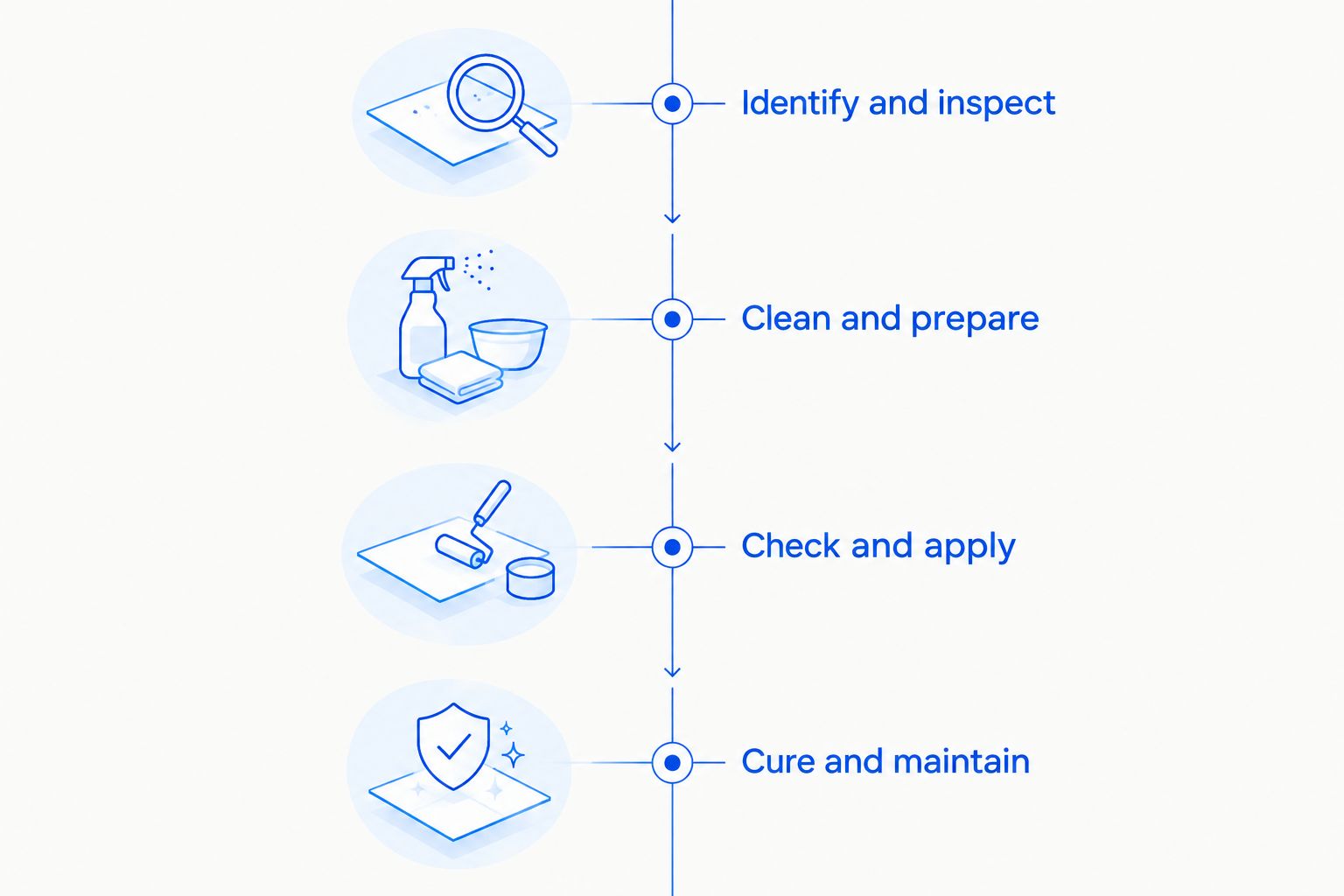
Identify and inspect
Start with the installer’s paperwork, film name, finish, and care instructions. Inspect panel edges, recesses, seams, and areas around handles or badges. Photograph existing defects so you and the detailer agree on the starting condition.
A coating is not adhesive repair. If an edge is lifting, ask the wrap installer to assess it rather than expecting a protective liquid to hold it down.
Clean and prepare
Wash away loose dirt before addressing stubborn contamination. Use cleaners and preparation products approved for the film, and avoid aggressive scrubbing to chase a mark that needs specialist attention.
Do not assume every spot is removable contamination. Discoloration, scratches, and deterioration need different decisions. When cleaning stops helping, reassess instead of repeatedly working the same area.
Check and apply
Confirm the coating’s suitability and check its effect in a discreet area when appropriate. Apply according to the product instructions, including how to remove excess material without leaving an uneven finish.
Keep the film’s restrictions in view throughout the job. Compatibility is not just about what goes on the surface; it also covers the products and methods used to get there.
Cure and maintain
Arrange suitable conditions for application and initial curing. Ask when the vehicle can get wet, when washing can resume, and which cleaning products should be used afterward.
There is no single curing schedule for every coating and wrap combination. The guide to how long ceramic coating takes to cure explains the timing question; your selected product’s instructions determine the actual schedule.
What ceramic coating does—and does not—do for a wrap
A compatible ceramic coating changes the exposed surface’s behavior, helping water bead and making some contamination easier to remove. That is a maintenance benefit. It is not a reason to skip washing or leave bird droppings and other contamination on the vehicle.
Do not buy ceramic coating as a repair for damaged vinyl or as a substitute for impact protection. A coating does not replace missing material, restore a failed adhesive bond, or remove scratches already in the film.
It also does not establish a new lifespan for the wrap. Film condition, installation, exposure, and manufacturer guidance still matter. Avoid treating a coating’s advertised service life as a promise about how long the underlying wrap will last.
For your 2026 protection plan, define success in practical terms: appropriate cleaning, preservation of the intended finish, and clear care instructions. That gives you a useful basis for choosing treatment without relying on broad protection claims.
What should you ask before booking mobile service?
Mobile detailing brings service to your location, but coating work still needs suitable application conditions. Discuss shelter, weather exposure, access, and curing arrangements before booking. Convenience should not replace the conditions specified for the product.
Royal Touch Mobile Detailing LLC is best for vehicle owners seeking mobile detailing and ceramic coating services in its stated service area. The family-owned company serves North Carolina and parts of Virginia and South Carolina; wrap-specific suitability requires a discussion about your film and its condition.
Send the film details and clear photos when asking about ceramic coating. Include damaged areas, previous treatments, and whether the finish is gloss, satin, or matte. Do not assume a general ceramic coating service automatically includes approval for your particular wrap.
Before approving work, ask for:
- Confirmation that the proposed coating supports the film and finish.
- An explanation of preparation methods and any areas excluded from treatment.
- A plan for suitable application and curing conditions.
- Written washing and maintenance instructions.
- Clarification of any manufacturer warranty restrictions.
Discuss Your Vehicle’s Protection
Share your wrap’s film details, finish, and condition before choosing a ceramic coating service.
Can a newly installed wrap be coated immediately?
A newly installed wrap should be coated only when the film installer’s and coating manufacturer’s instructions permit it. Do not borrow a waiting period from an unrelated product. Arrange installation and coating together so each stage follows the correct requirements.
Can an older vehicle wrap still be ceramic coated?
An older vehicle wrap can be considered for coating if its condition and the product instructions support treatment. Age alone does not describe whether the film is sound. Inspect it for deterioration and resolve repair questions first.
Does coating a wrap make washing unnecessary?
Coating a wrap does not eliminate washing. Use compatible cleaners, clean washing tools, and careful technique, and address contamination promptly. Follow the film’s guidance around seams and edges rather than treating water beading as proof that every cleaning method is safe.
FAQ
Can ceramic coating be applied to a vehicle wrap?
Yes, ceramic coating can be applied to a vehicle wrap when the coating is compatible with the exact film and finish. Inspect and prepare the wrap according to both manufacturers’ instructions before application.
Can you ceramic coat a matte or satin wrap?
Yes, use a coating explicitly suitable for the matte or satin film and intended appearance. Do not assume a gloss-enhancing treatment will preserve a low-sheen finish.
Will ceramic coating fix scratches in my wrap?
No, ceramic coating does not repair scratches in vinyl. Have the damaged film assessed before adding a protective treatment.
Can ceramic coating stop wrap edges from peeling?
No, ceramic coating does not repair the adhesive bond beneath a lifting edge. Ask the wrap installer to assess peeling before considering coating.
Can I use my paint coating on a vinyl wrap?
Use a paint coating on vinyl only if its instructions explicitly support that application. Approval for automotive paint alone does not establish compatibility with your wrap.
How long should I wait to wash a newly coated wrap?
Follow the selected coating’s curing and washing instructions alongside the wrap manufacturer’s care requirements. There is no single waiting period that applies to every combination.
Does ceramic coating change a wrap’s warranty?
Check the film manufacturer’s warranty terms before coating. Product compatibility and warranty coverage are separate questions, so confirm both before authorizing treatment.
One last thing
Keep a record of both layers: the wrap and the coating. Save the product names, installation details, care instructions, and service dates in your 2026 vehicle maintenance file. When the surface needs attention later, those records help the next detailer choose an appropriate method instead of guessing.