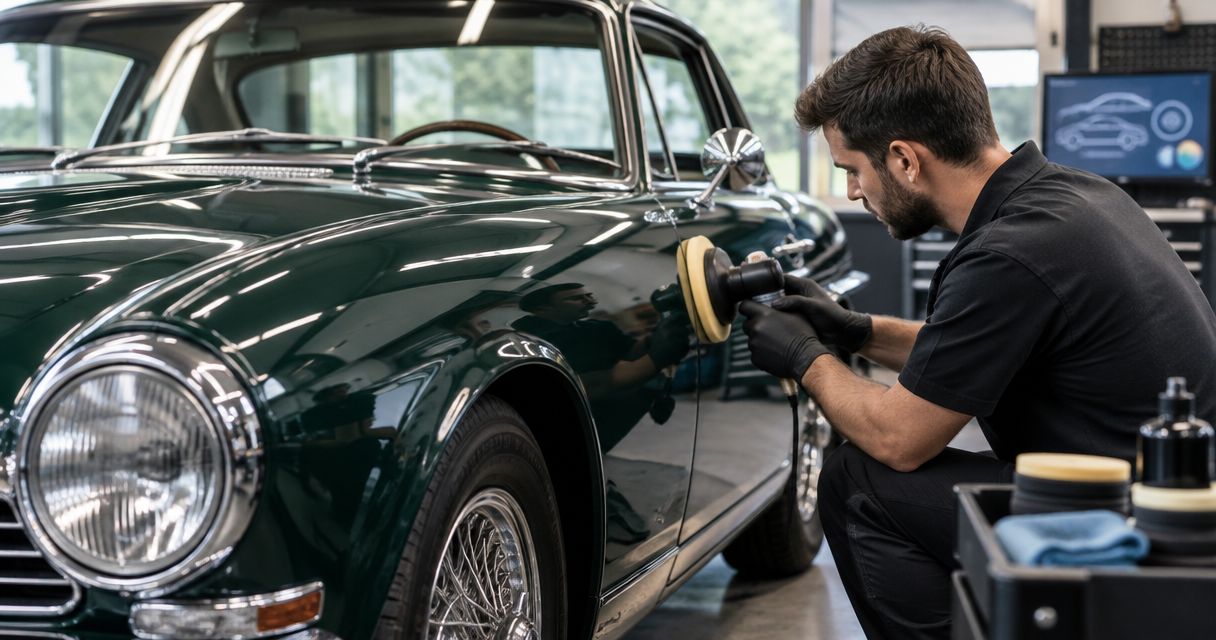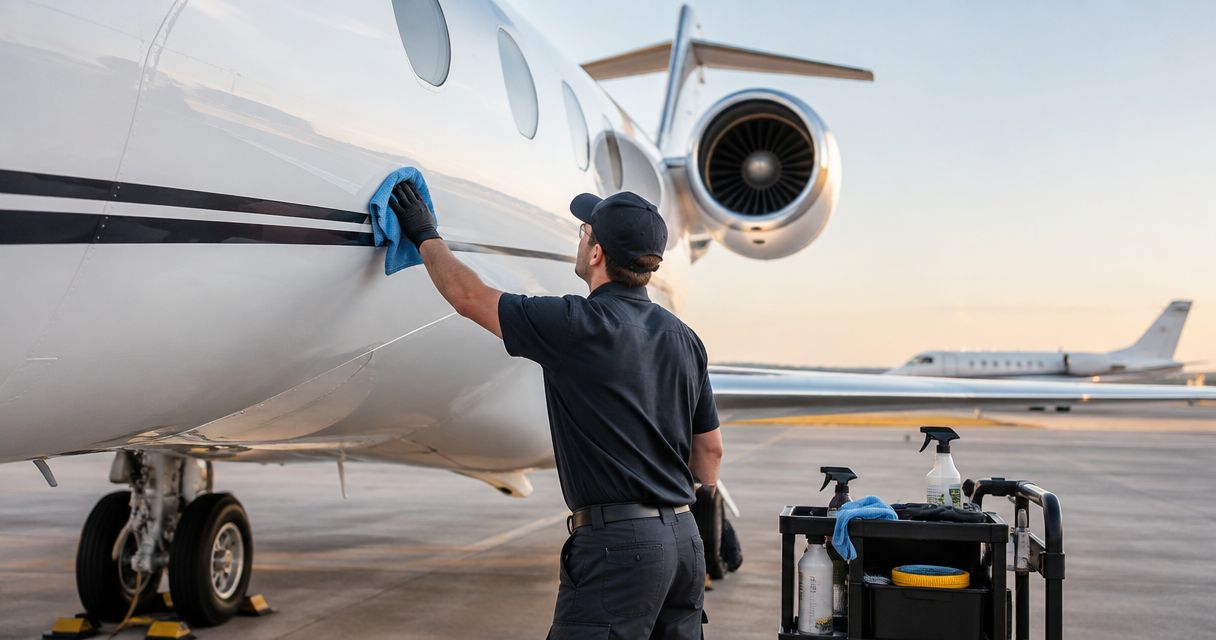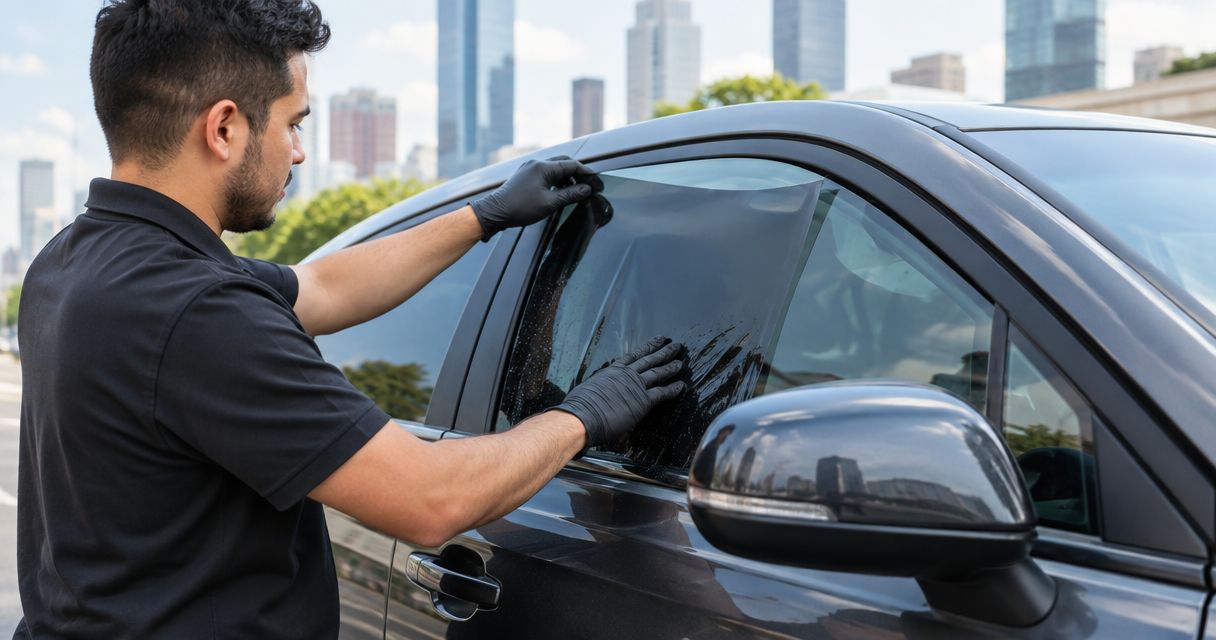
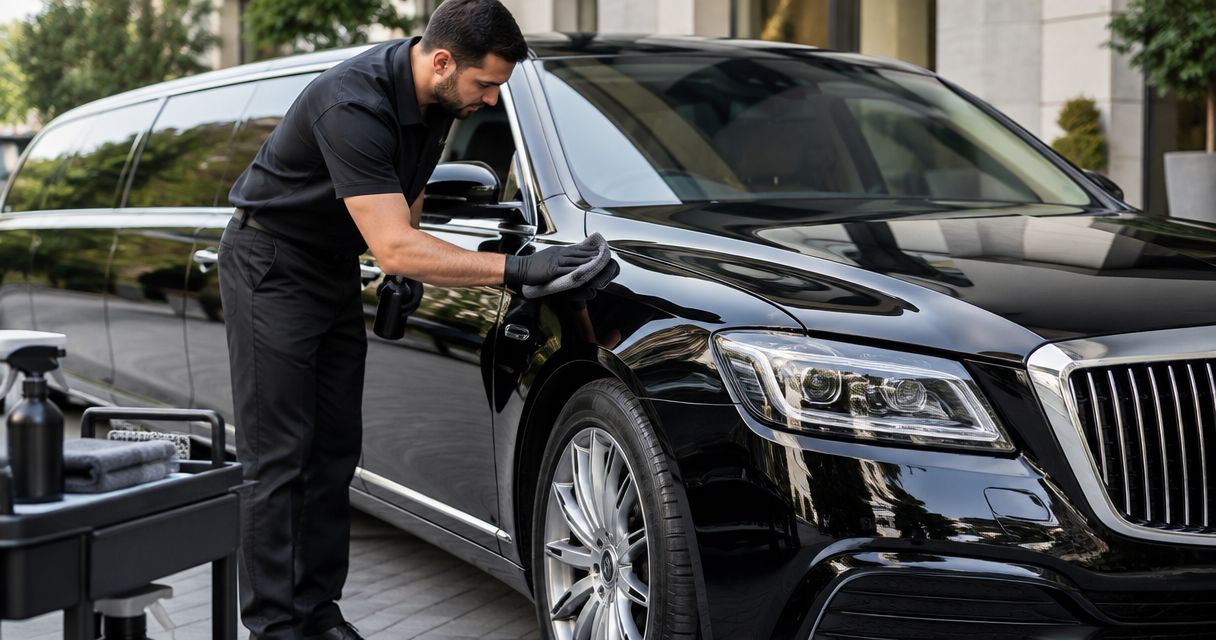
Limo and black car fleet ceramic coating is a protective paint treatment with the aim of keeping passenger-facing vehicles easier to maintain and consistently presentable. Royal Touch Mobile Detailing LLC brings faith-driven service, a commitment to doing work right the first time, and experience with premium vehicles and aircraft; this 2026 guide explains how to match coating, preparation, and upkeep to your dispatch schedule.
- Ceramic coating for limo and black car fleets supports easier cleaning; it does not prevent stone chips or replace washing.
- Royal Touch Mobile Detailing LLC is best for owners seeking mobile detailing, paint correction, and ceramic coating together.
- Inspect black paint before choosing correction; coating does not remove swirl marks.
- Coordinate application and curing with dispatch, then give drivers a written wash procedure.
Why ceramic coating matters for limo and black car fleets
Your vehicle is part of the passenger experience before anyone opens a door. Dark paint makes wash marks, dried mineral deposits, and uneven reflections conspicuous, so exterior care needs more than a quick rinse between bookings.
Ceramic coating adds a bonded protective layer that helps water and dirt release during cleaning. It does not make paint scratch-proof, stop road debris, or remove existing defects. Choose coating to support maintenance, not to replace maintenance.
For your 2026 fleet plan, separate appearance from protection. Paint correction addresses suitable surface defects; coating protects the prepared surface. Our ceramic coating guide for fleet vehicles covers the broader fleet approach, while this guide focuses on passenger-facing black cars and limousines.
The main constraints are practical: vehicles must return to service, drivers need consistent cleaning instructions, and long bodies require careful inspection across every panel. A finish that looks good at the depot still needs checking under the lighting passengers encounter at pickup.
How to build your fleet coating plan
Inspect each vehicle before choosing a treatment
Start with a clean, dry vehicle and inspect it yourself under daylight and a separate inspection light. Look along the paint rather than only straight at it. Mark scratches, swirl marks, water spots, chips, and areas with previous repairs.
Use 3 inspection areas: painted panels, trim, and glass. Each needs its own care decision; a paint coating is not automatically suitable for every surrounding material. On stretched limousines, include roof sections and bodywork that are easy to overlook during routine washing.
Make an inspection record for each vehicle in your 2026 plan. A recently repaired sedan and an older limousine should not receive identical preparation simply because both are black.
- Photograph defects before treatment.
- Record repainting, wraps, and repaired panels.
- Inspect door-handle areas and luggage-loading edges.
- Separate paint concerns from glass and trim concerns.
- Flag chips and deep damage for assessment before polishing.
Define the finish you need passengers to see
Decide what an acceptable finish looks like before asking for correction. Check the hood, doors, roof, and rear panels from typical passenger viewing positions. A reflection that looks clear from a distance can still show wash marks under direct lighting.
Start with 1 pilot vehicle, not the entire fleet. Choose a vehicle that represents your normal condition and duty cycle, rather than the easiest car to make presentable. Use that vehicle to agree on preparation, handover checks, and the wash routine.
Correction involves removing a small amount of the clear coat while refining defects. Chasing every mark is not the right goal for every working vehicle, especially where previous polishing or repairs complicate the assessment.
- Agree on which visible defects need attention.
- Identify defects that will remain after treatment.
- Check the pilot vehicle in daylight and direct light.
- Photograph the agreed finish for your records.
- Keep expectations consistent across drivers and managers.
Match preparation to the paint condition
You can document condition and wash history yourself before the appointment. Leave abrasive correction decisions to someone who can assess the finish and explain the proposed work. Washing, removing bonded contamination, and preparing the surface come before coating application.
Royal Touch Mobile Detailing LLC offers mobile detailing, paint correction, and ceramic coating, making it a fit for owners who want those services considered together. Its mobile service offers convenience, but application still needs suitable conditions and a coordinated vehicle schedule. Mobile service does not remove the need for preparation or curing.
Discuss your vehicle condition and work location through Royal Touch Mobile Detailing LLC. Confirm the actual scope rather than assuming every coating appointment includes the same level of correction.
- Share inspection photographs before scheduling.
- Ask what contamination removal is included.
- Confirm the proposed correction work.
- Identify coated surfaces and excluded surfaces.
- Request the application and aftercare instructions.
Reserve downtime before committing dispatch slots
Build the schedule manually from your booking calendar. Mark when the vehicle is available, where it can remain during treatment, and when it must return to passenger service. Include cleaning and preparation, not just the application itself.
Curing requirements depend on the coating and conditions. Get the actual instructions for the chosen treatment rather than using a generic online timeline. Do not assign a vehicle to a trip that conflicts with restrictions on water exposure or washing.
For your 2026 rollout, schedule by vehicle availability rather than coating every matching model together. Airport runs, evening reservations, and outdoor parking all belong in the scheduling discussion.
- Confirm the available work area with the detailer.
- Identify where the vehicle will remain afterward.
- Get water-exposure and first-wash instructions in writing.
- Keep dispatch informed of the release conditions.
- Retain vehicle coverage while treatment is underway.
Standardize washing before coating more vehicles
Write a wash procedure your drivers can follow without guessing. Explain which cleaning products and tools are approved, how to handle visible grit, and who decides when a vehicle needs more than a routine wash.
A coated surface still collects road film. Contact washing and drying can still introduce scratches when dirt remains on the paint or towels are contaminated. Water beading is not proof that a vehicle is clean.
Separate paint towels from wheel-cleaning materials. Keep used towels out of the clean supply, and follow the coating manufacturer's instructions for maintenance products. Automatic brush washing conflicts with a plan built around reducing abrasive contact with black paint.
- Remove loose dirt before contact washing.
- Keep wheel tools separate from paint tools.
- Use clean wash media and drying towels.
- Follow the approved cleaning-product instructions.
- Escalate stains instead of repeatedly scrubbing them.
Assign ownership of the maintenance routine
A written procedure only works when someone owns it. Give a manager responsibility for approving wash products, storing tools, and checking vehicle condition. Drivers should know how to report a problem without trying an unfamiliar cleaner on the finish.
Use 2 handover checkpoints: before treatment and before dispatch. The first records existing damage and agreed work. The second checks appearance and confirms that the vehicle has met the detailer's release instructions.
Keep the process short enough to use during a busy shift. Inspection, washing, and drying should be separate responsibilities even when the same person completes them.
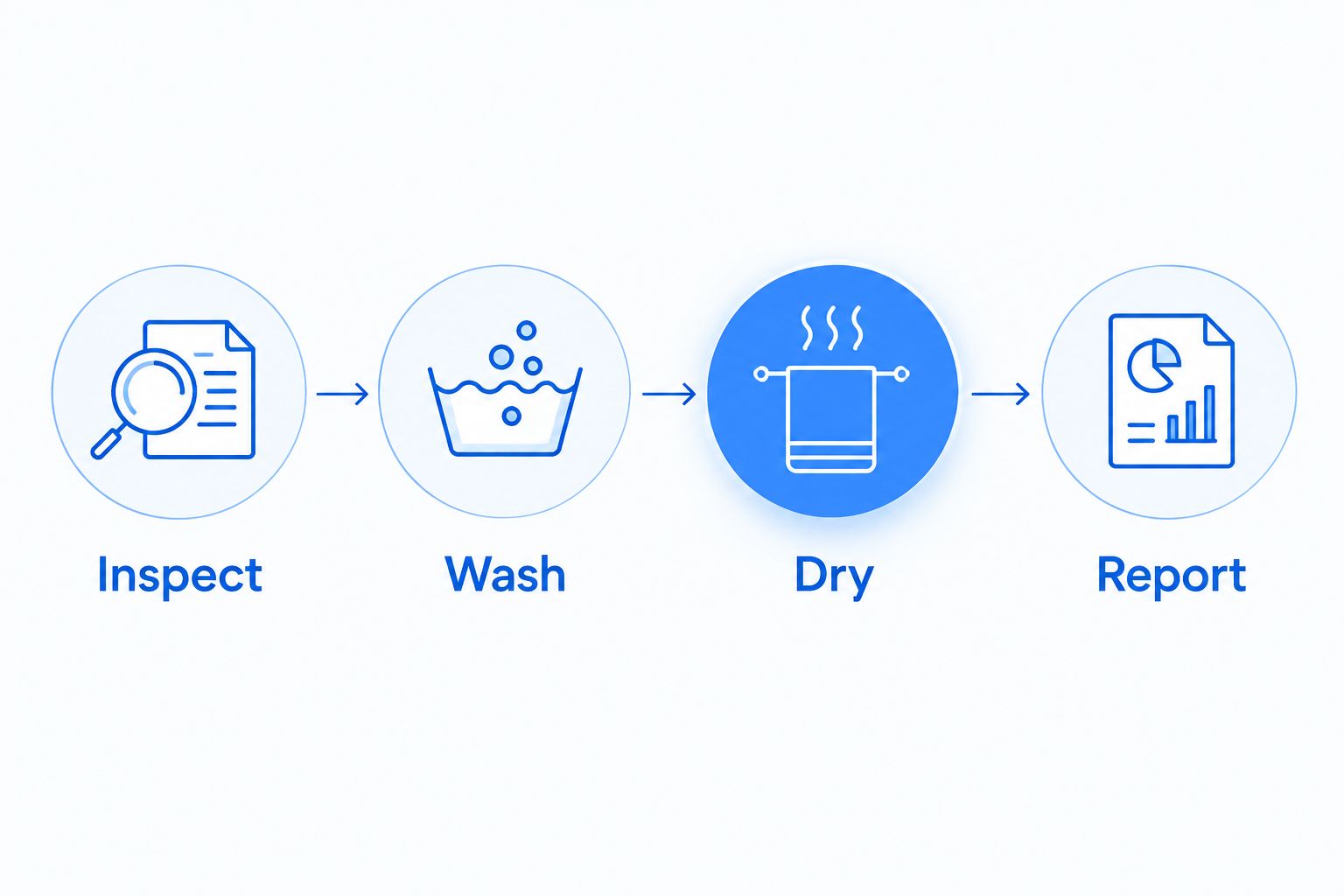
Give staff these actions in plain language:
- Inspect the finish before starting work.
- Wash with approved tools and products.
- Dry with clean materials.
- Report spots, damage, or unfamiliar residue.
- Record the vehicle and date of each concern.
Review the pilot before expanding the plan
Compare the pilot vehicle with its own baseline photographs and maintenance record. Check whether drivers followed the wash instructions, whether scheduling worked, and whether the finish meets your passenger-facing standard. Do not treat a freshly detailed photograph as evidence of long-term savings.
For your 2026 review, record actual cleaning time and any repeat work. Keep the comparison fair: a lightly used sedan and a limousine returning from a long road trip do not present the same cleaning task.
Expand only after the maintenance process is working. If towels remain dirty or vehicles still enter abrasive washes, adding more coated cars leaves the underlying problem unresolved.
- Compare the finish under consistent lighting.
- Record actual wash time without estimating it.
- Log products and methods used.
- Note repeat cleaning and problem areas.
- Adjust the procedure before treating more vehicles.
Compare protection options for passenger fleets
The best protection matches the problem you need to solve. Coating supports surface maintenance; paint protection film addresses physical exposure differently. Neither removes the need for cleaning, and neither fixes paint damage beneath it.
| Option | Best for | Practical benefit | Key limitation |
|---|---|---|---|
| Ceramic coating | Fleets prioritizing paint appearance and easier routine cleaning | Helps water and dirt release from properly prepared paint | Does not prevent stone chips or eliminate wash-induced scratches |
| Paint protection film | Vehicles needing a physical barrier on exposed painted areas | Covers selected paint surfaces with a protective film | Requires its own installation and maintenance decisions; coverage is limited to treated areas |
| Wax or paint sealant | Fleets choosing a renewable surface treatment | Adds a protective finish that can be reapplied during care | Needs renewal according to the product and vehicle use |
| Cleaning without added protection | Vehicles receiving basic appearance maintenance | Removes dirt and keeps condition visible for inspection | Adds no separate protective layer to the paint |
Keep preparation, coverage, and aftercare consistent when comparing ceramic coating costs. A discussion of ceramic coating costs only informs a fleet decision when you also identify the work included; a coating-only scope and a correction-plus-coating scope are not equivalent.
For a working black car, choose based on documented paint condition and how the vehicle is used. If road-impact damage is the main concern, discuss film separately rather than expecting coating to solve it. If the problem is visible wash marks, address washing and correction first.
Plan your fleet's paint care
Discuss vehicle condition, ceramic coating, paint correction, and mobile service requirements.
Common mistakes limo and black car fleets make
Coating over visible swirl marks
Coating does not erase defects. Inspect the paint and agree on correction before application, especially on passenger-facing doors and the hood. A protective treatment and an appearance correction are different jobs.
Sending coated vehicles through the old wash routine
Keeping contaminated towels or abrasive washing undermines the reason for treating black paint. Change the tools and instructions before the rollout, not after scratches reappear. Drivers need an approved alternative that fits the shift.
Scheduling treatment without a release plan
An appointment ending does not automatically mean the vehicle is ready for every operating condition. Confirm the actual curing and exposure instructions before accepting the next booking. Dispatch needs those instructions too.
Treating water beads as the only condition check
Beading alone does not identify cleanliness, remaining protection, or paint damage. Inspect the finish, review the wash record, and ask for an assessment when its behavior changes. Do not add an unfamiliar product just to restore the appearance of beads.
Expecting exterior coating to handle the whole passenger experience
Paint protection does not clean seats, remove cabin odors, or address fingerprints on interior trim. Keep cabin care and glass cleaning in the same vehicle-readiness plan. A glossy exterior cannot substitute for a clean passenger space.
FAQ
Is ceramic coating worth it for a black car fleet?
Ceramic coating fits a black car fleet when the goal is easier surface maintenance and a consistently cared-for finish. Prepare the paint first and maintain an approved wash routine; coating does not replace either task.
Does ceramic coating stop scratches on a limousine?
Ceramic coating does not make limousine paint scratch-proof. Dirty wash tools and abrasive contact can still mark the finish, while stone-impact concerns need a separate protection discussion.
Should a fleet get paint correction before ceramic coating?
A fleet should have paint condition assessed before deciding on correction. Coating does not remove swirl marks, and the correction scope should reflect existing damage, prior repairs, and the agreed appearance standard.
Can ceramic coating be applied through mobile detailing?
Ceramic coating can be part of mobile detailing when the work location and application conditions are suitable. Confirm site requirements, preparation, and aftercare before booking rather than assuming every parking area is appropriate.
How long does a coated fleet vehicle need to stay off dispatch?
Dispatch downtime must follow the chosen coating's preparation, application, and curing instructions. Get the actual release conditions from the detailer instead of relying on a universal timeline.
Is ceramic coating better than paint protection film for black cars?
Ceramic coating and paint protection film serve different priorities. Coating supports surface maintenance, while film provides a physical covering on treated paint areas; select the approach according to the exposure you need to address.
What should a fleet manager ask Royal Touch Mobile Detailing LLC?
Ask Royal Touch Mobile Detailing LLC about paint assessment, correction scope, coated surfaces, work-location requirements, and aftercare. Its stated services include mobile detailing, paint correction, and ceramic coating; confirm the specific fleet plan before scheduling.
One last thing
Inspect your wash towels before choosing your coating. A protection plan cannot correct a maintenance process that keeps dragging dirt across black paint. Start your 2026 fleet rollout with the cleaning routine, document the pilot vehicle, and expand only after drivers can repeat the care correctly.