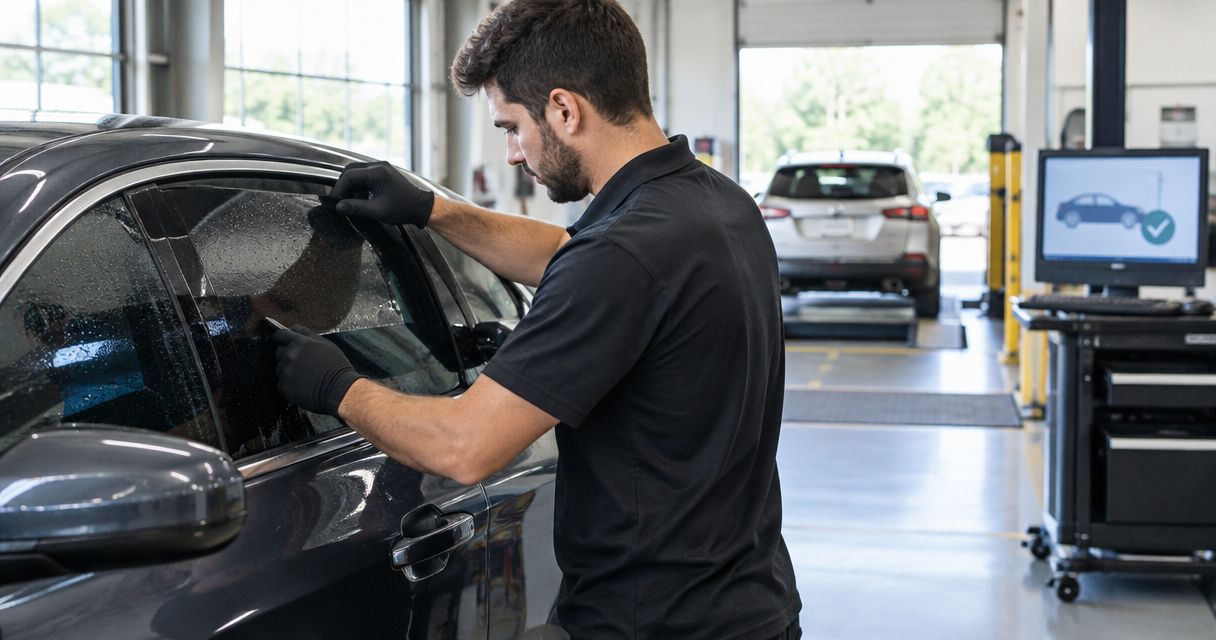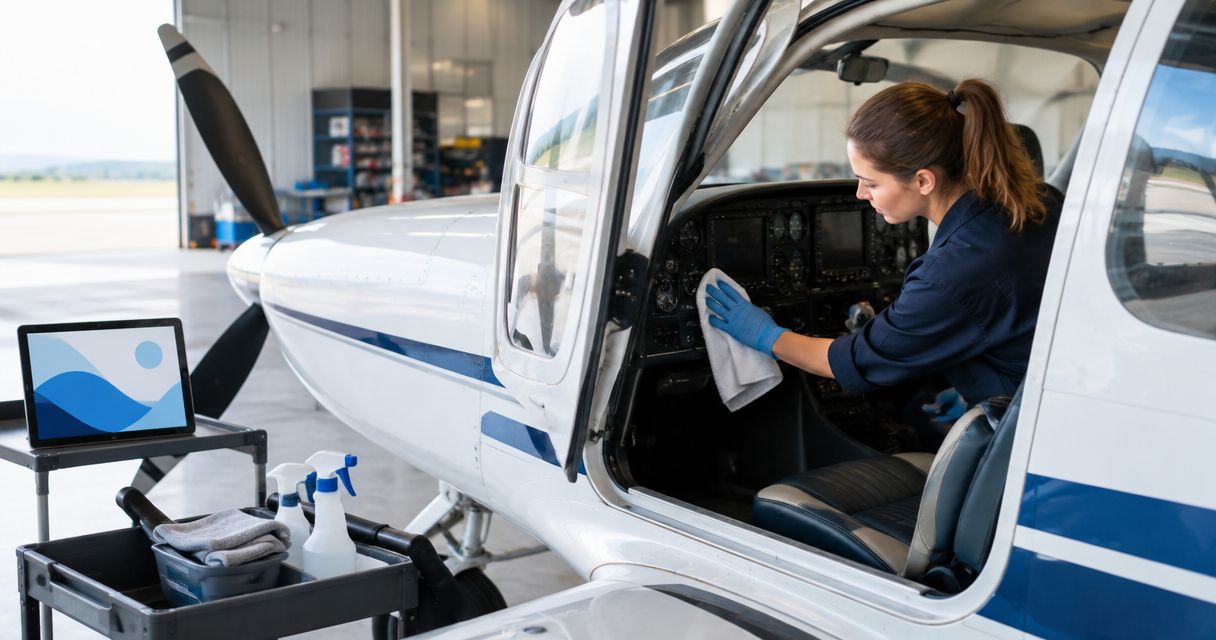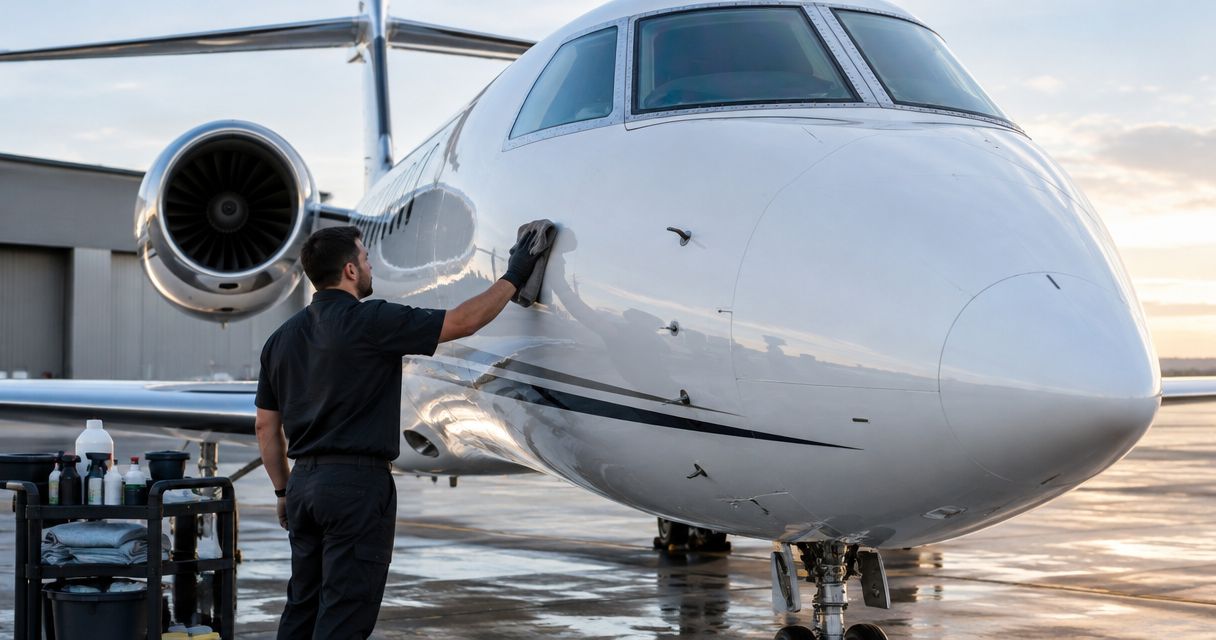
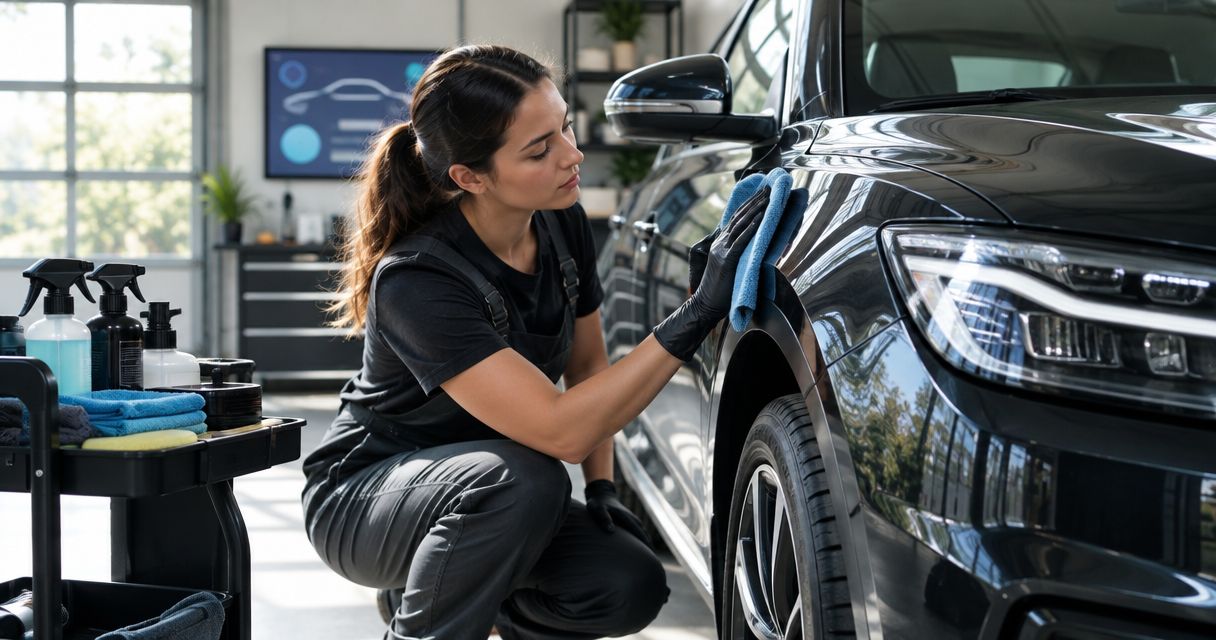
Instead of deciding what your car needs only when dirt becomes hard to ignore, build a car detailing maintenance plan that connects regular inspections, appropriate cleaning, and professional care. Royal Touch Mobile Detailing LLC brings faith-driven service, a commitment to doing work right the first time, and experience with premium vehicles and aircraft to that conversation.
- Build your car detailing maintenance plan around condition, vehicle use, and existing paint protection—not a fixed cleaning package.
- Royal Touch Mobile Detailing LLC suits owners seeking mobile detailing alongside paint correction, ceramic coating, or window tint services.
- Separate routine cleaning from corrective work; maintenance does not mean polishing paint at every visit.
- Record coating and tint aftercare instructions before setting wash reminders or scheduling professional care.
Why this matters
A useful maintenance plan tells you what to inspect, what to clean, and when to ask for help. A calendar alone cannot tell you whether a seat needs stain treatment or whether a mark in the paint needs correction.
Royal Touch Mobile Detailing LLC is best for vehicle owners seeking mobile detailing with access to paint correction, ceramic coating, and window tint services. The company serves North Carolina and parts of Virginia and South Carolina; confirm your specific location and proposed work before planning a visit through Royal Touch Mobile Detailing LLC.
Your 2026 plan should separate three goals: maintaining appearance, caring for existing protection, and addressing problems that ordinary cleaning does not resolve. That distinction keeps a routine wash from turning into an unnecessary correction project.
Before you start
- Gather vehicle information. Note the vehicle, parking conditions, regular driving use, interior materials, and any existing coating, wrap, paint protection film, or window tint. Keep available installer instructions together.
- Choose a simple record. Use a notebook, spreadsheet, or calendar you already check. You need access to your schedule and permission to use the proposed detailing location—not a new subscription or a complicated setup.
- Check the aftercare restrictions first. Recently applied coatings and tint can have cleaning or handling restrictions. Follow the actual installer instructions; do not schedule a wash or lower newly tinted windows based on a generic timeline.
For mobile service, also confirm property permission, parking access, weather arrangements, and any water or electricity requirements directly with the detailer. Do not assume your apartment lot or workplace permits vehicle washing.
Your vehicle condition record
Establish the starting point
- Inspect clean surfaces. Examine the vehicle after appropriate cleaning, when loose dirt is not hiding the finish. Use daylight where practical, and avoid touching hot panels simply to test them.
- Create four reference photos. Photograph the hood, a side panel, the front seating area, and the rear seating or cargo area. Keep the angles consistent for later comparisons; these are your own reference points, not a professional paint assessment.
- Write down existing concerns. Separate loose dirt, stains, odors, visible scratches, water spots, and damaged surfaces. Record what you can see without guessing the cause.
- Record existing protection. Add coating or tint paperwork and any written care instructions. Mark unknown treatments as unknown rather than choosing cleaning products on an assumption.
Expected result: You have a baseline that distinguishes ordinary cleaning needs from concerns requiring assessment.
Name your record something clear, such as 2026 Vehicle Care, so it stays easy to find. The fields below are labels you create yourself, not buttons on a booking website:
- Last completed: What was actually cleaned or treated.
- Current concerns: What remains visible or needs attention.
- Next action: The specific task or question to address next.
Keep those entries factual. “Mark remains on passenger seat” gives your detailer more useful information than “interior needs everything.”
Your maintenance schedule
Match reminders to vehicle use
- Identify your main exposure. Note outdoor parking, frequent highway travel, children, pets, work equipment, or extended storage. Describe your actual use rather than choosing a plan because it sounds premium.
- Set an inspection reminder. As a starting habit, choose one 10-minute check every 7 days. This is a suggested planning routine, not a universal detailing interval or a claim about how quickly your car becomes dirty.
- Separate inspection from service. A reminder means inspect the vehicle; it does not automatically mean book a full detail. Turn what you find into a specific cleaning or assessment task.
- Agree on professional care. Discuss the vehicle's condition, your upkeep between visits, and any protection requirements before choosing a recurring schedule.
Expected result: Your calendar prompts decisions without committing you to work the vehicle does not need.
For your 2026 calendar, combine reminders with observations. A garage-kept weekend car and an outdoor daily driver should not inherit identical tasks simply because both owners want a clean finish.
Choose a planning approach
| Approach | Best for | Advantage | Limitation |
|---|---|---|---|
| Calendar reminders | Owners who forget routine checks | Keeps inspection and planning visible | Cannot judge vehicle condition |
| Condition-triggered care | Owners who inspect their vehicles regularly | Connects action to a visible need | Relies on noticing and recording changes |
| Combined approach | Owners building a repeatable routine | Uses reminders for inspection and condition for decisions | Requires updating the record after each action |
Use the combined approach when you want a routine without treating every reminder as a service order. Keep the calendar simple, then let the inspection determine the next task.
Your cleaning and protection instructions
Define the work before the visit
- Separate routine cleaning. List the areas needing ordinary exterior washing, interior cleaning, or both. Describe pet hair, spills, or cargo-area dirt specifically rather than asking for an undefined refresh.
- Flag corrective concerns. Ask for assessment of persistent stains, odors, paint defects, or water spots. Do not treat stronger chemicals, aggressive scrubbing, or repeated polishing as default maintenance.
- Match methods to materials. Follow vehicle, material, and installer guidance for coated paint, tinted glass, leather, screens, and other sensitive surfaces. Keep unidentified household cleaners out of the plan.
- Agree on the scope. Confirm what the appointment includes, what needs separate evaluation, and any preparation you must complete before arrival.
Expected result: You and the detailer share a clear description of the work, including concerns that cleaning alone might not resolve.
For a 2026 protection plan, remember that ceramic coating care and paint correction serve different purposes. A coating does not eliminate washing, while correction addresses suitable paint defects rather than everyday dirt.
Royal Touch Mobile Detailing LLC offers both ceramic coating and paint correction, but the available services do not make both necessary for every vehicle. Ask which concern each proposed service addresses. Choose work because the vehicle needs it, not because the service list includes it.
Daily drivers benefit from instructions they can repeat consistently. Luxury and performance vehicles also need material-specific care; an expensive badge does not identify the finish, previous repairs, or installed protection.
Your appointment and follow-up record
Close the loop after each service
- Prepare the location. Confirm access, property permission, key handoff, and any agreed utility arrangements. Remove personal belongings so the detailer can access the areas included in the work.
- Protect the appointment window. Discuss the vehicle's size, condition, selected work, and your next required departure. Leave room in your schedule for the agreed scope rather than treating every detail as the same task.
- Review the completed work. Compare the agreed scope with the vehicle's condition. Ask about remaining marks or concerns without assuming every visible defect is removable.
- Update your record. Enter the completed work, written aftercare instructions, unresolved concerns, and the next inspection reminder. Keep recommendations separate from work already performed.
Expected result: Each visit produces a clearer next step instead of restarting the same conversation at the following appointment.
Planning around how long full detailing takes starts with defining the work: routine cleaning, stain treatment, and paint correction are different tasks. Confirm the time needed for your vehicle directly rather than building a tight departure schedule around a general estimate.
Ask what to avoid immediately afterward, especially when the visit includes a coating or tint. Record the instructions as provided; do not replace them with a generic number from another vehicle's service.
A useful entry reads: “Interior cleaned; rear-seat mark remains; assessment requested before another treatment.” It preserves the actual outcome without creating a promise that the next visit will remove the mark.
Adjust the plan whenever vehicle use changes
A condition-based workflow also works when a regular schedule stops matching your driving. Update your 2026 maintenance plan after a road trip, a change in parking, a new pet, or a move from occasional use to daily commuting.
- Record the change. State what happened and which areas now need attention.
- Inspect the affected surfaces. Look for debris, spills, or visible residue before deciding on treatment. Avoid rubbing contamination into paint.
- Request targeted care. Describe the concern and ask what assessment or cleaning is appropriate.
- Revise the next reminder. Keep the new routine only if the changed use continues.
Expected result: The plan responds to your vehicle's life instead of preserving a schedule that no longer fits.
For a car returning from storage, check its current condition before resuming the old routine. For newly installed coating or tint, replace the previous cleaning notes with the installer's current aftercare instructions.
Troubleshooting your maintenance plan
The car looks dirty before every reminder
Shorten the inspection interval or add a check after the activity causing the buildup. Do not automatically add more paint correction; first identify whether the issue is loose dirt, residue, or an actual finish defect.
Water behavior changes on coated paint
Do not diagnose coating failure from water beading alone. Record the change, follow the coating's cleaning instructions, and request assessment before adding another product or deciding on reapplication.
A stain or odor returns after cleaning
Record the location and circumstances instead of repeatedly treating the surface. Remove accessible sources such as damp belongings, and explain the recurring problem to the detailer. Persistent moisture or a leak also needs attention beyond routine cleaning.
Work cannot proceed at the planned location
Confirm an approved alternative with the detailer and property owner. Resolve access, weather, and utility questions before the next appointment rather than assuming mobile service can happen in any parking space.
The plan keeps asking for the same work
Check whether you copied a recommendation forward without recording completion. Separate completed tasks from unresolved concerns, and ask what evidence supports repeating a treatment.
Customize your workflow
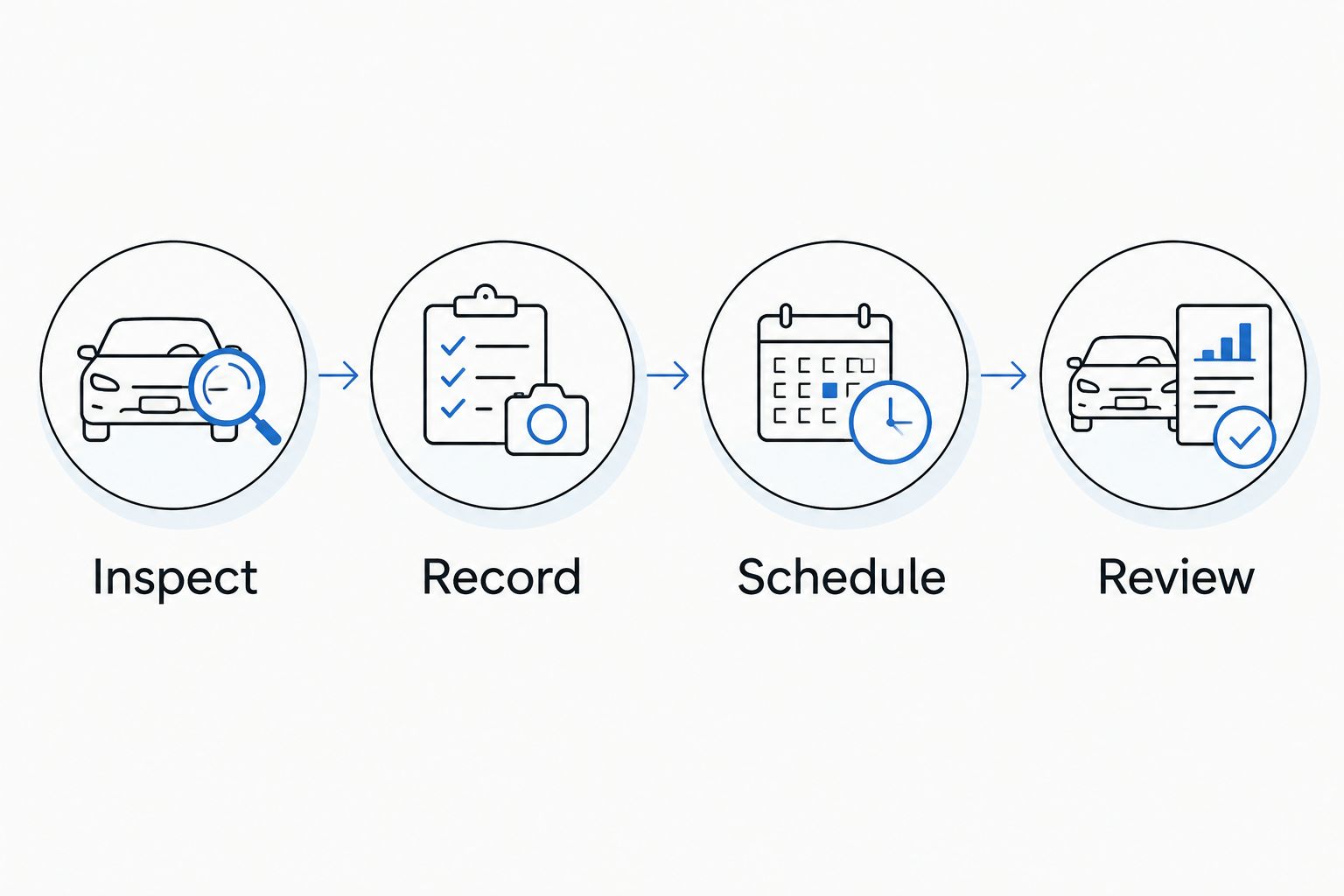
Keep the core routine—inspect, record, schedule, review—but change the scope to match the vehicle. Use separate records for separate vehicles so coating instructions, material concerns, and completed work do not get mixed together.
For a daily driver, start with the surfaces that receive regular use. For a luxury or performance car, include known finish treatments and installer paperwork. For an RV, account for its materials and storage conditions rather than copying the car's cleaning instructions.
Private aircraft owners, flight schools, and charter operators need an aircraft-specific process. Do not transfer automotive products or cleaning methods to aircraft surfaces, sensors, or openings; coordinate care with the operator and applicable manufacturer instructions.
The purpose of this 2026 workflow is practical stewardship: keep the vehicle presentable, care for its materials, and make the next service decision with a clear record. It is not a promise of a flawless finish or a substitute for inspection.
FAQ
What's the best car detailing maintenance plan for a daily driver?
A useful car detailing maintenance plan combines regular inspections with cleaning based on actual use and condition. Record existing protection, follow its care instructions, and agree on professional service after discussing the vehicle's needs.
How often should I book professional detailing?
Choose the interval after reviewing your driving, parking, interior use, and current condition with your detailer. An inspection reminder does not automatically require a full-detail appointment.
Does a ceramic-coated car still need washing?
Yes, a ceramic-coated car still needs appropriate washing. Follow the coating installer's instructions and request an assessment if contamination or changing surface behavior persists after proper cleaning.
Should paint correction be included in every maintenance visit?
No, paint correction should address assessed paint defects rather than serve as an automatic maintenance task. Discuss the finish and proposed treatment before authorizing corrective work.
Can Royal Touch Mobile Detailing LLC help with a maintenance routine?
Royal Touch Mobile Detailing LLC offers mobile detailing, ceramic coating, paint correction, and window tint services. Discuss your vehicle and location directly to establish suitable work; do not assume a particular subscription or recurring package is offered.
What should I prepare before a mobile detailing appointment?
Confirm the work location, property permission, access, and any utility requirements with the detailer. Remove personal belongings and share existing coating, tint, or material-care instructions before work begins.
Can I use the same maintenance plan for my car and aircraft?
No, aircraft care requires an aircraft-specific process and applicable manufacturer instructions. Do not copy automotive cleaning products or methods onto aircraft surfaces, sensors, or openings.
One last thing
The most useful maintenance note is often what not to repeat. Record a cleaner that was unsuitable, a mark that needs assessment, or a restriction that remains in effect. That small detail gives the next appointment a better starting point than another reminder labeled “clean car.”