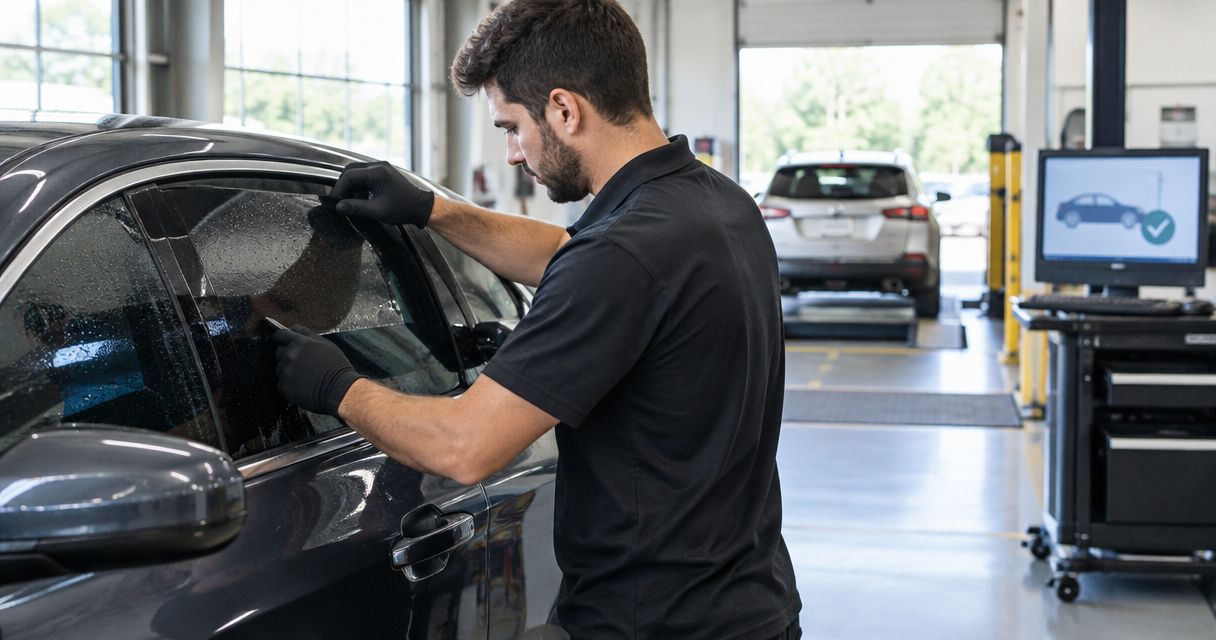
Instead of booking window tint before NC inspection and discovering a scheduling conflict, confirm your renewal deadline, choose legally compliant tint, and separate installation aftercare from inspection day. Royal Touch Mobile Detailing LLC brings faith-driven service and a commitment to doing work right the first time to vehicle care, including premium vehicles and aircraft.
- In 2026, window tint before NC inspection requires legal planning, even though tint checks are no longer part of safety inspections.
- Royal Touch Mobile Detailing LLC suits drivers seeking window tint alongside broader vehicle appearance and protection services.
- Choose tint using the combined glass-and-film light transmission, not the film label alone.
- Schedule inspection around registration requirements and tint aftercare, not an assumed statewide curing deadline.
Why this matters
North Carolina no longer includes window tint checks in its required vehicle safety inspection in 2026. That does not make otherwise illegal tint legal. Inspection requirements and window-tint restrictions are separate obligations.
North Carolina General Statutes §20-127 governs vehicle window tint. NCDMV guidance governs inspection and registration timing. Use both when planning your installation; passing an inspection is not proof that every modification meets the law.
Royal Touch Mobile Detailing LLC offers window tint alongside detailing, ceramic coating, and paint correction. For this appointment, start with your vehicle, its existing glass, and your renewal deadline—not simply the darkest shade you like.
This workflow is for North Carolina road vehicles. Aircraft glazing, out-of-state registration, and specialized vehicle exemptions need their own requirements checked rather than borrowing passenger-car rules.
Before you start
- Gather your registration details and deadline. Have the vehicle year, make, model, registration renewal date, and any existing inspection report ready. Confirm your applicable safety and emissions requirements with NCDMV or a licensed inspection station.
- Identify the glass and existing film. Tell the installer about factory privacy glass, aftermarket film, damaged glass, or a medical exception. Have any applicable authorization available rather than assuming a verbal explanation is enough.
- Catch the hidden problem: glass changes the result. A film's stated light transmission is not the finished window's transmission. Existing glass and added film work together, so selecting a film labeled 35% does not establish that the finished window meets a 35% requirement.
For your 2026 planning, keep two decisions separate: whether your vehicle needs an inspection and whether its tint complies with North Carolina law. Neither answer substitutes for the other.
Registration and inspection schedule
Use a simple appointment worksheet or calendar note. The bold labels below are suggested fields for your own records, not buttons in a booking system.
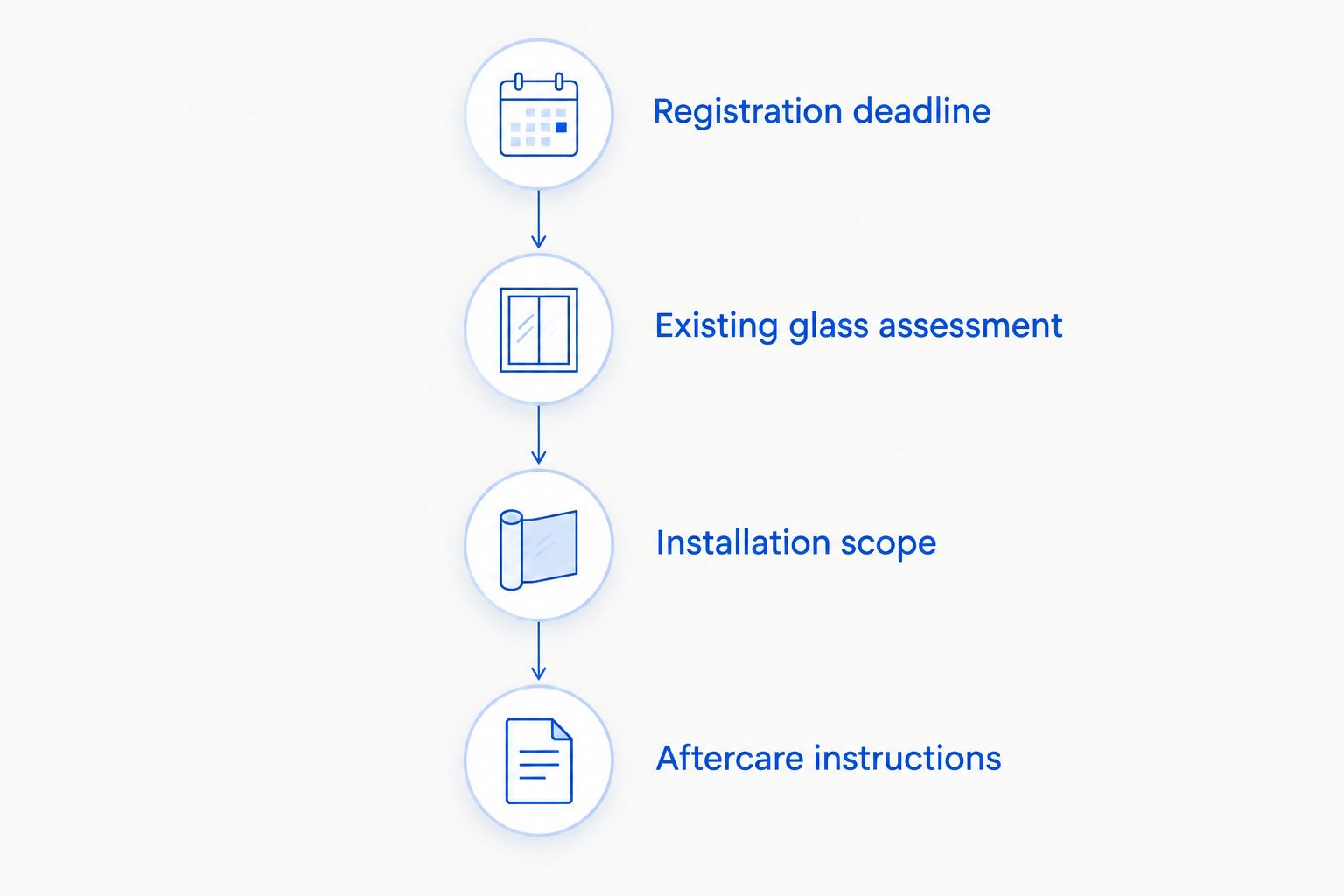
- Record Registration deadline from your renewal notice. Do not estimate it from the month you last had the vehicle serviced.
- Confirm Inspection requirement with NCDMV or a licensed station. Ask about your specific vehicle and registration county, including any applicable emissions requirement.
- Set Inspection appointment within the permitted renewal window. North Carolina generally allows the required inspection up to 90 days before registration expiration.
- Record Tint appointment separately. Tell both businesses if installation and inspection fall close together, so instructions about operating newly tinted windows are not overlooked.
Expected result: You have an inspection plan tied to registration, plus a separate tint appointment that does not depend on an outdated tint-testing requirement.
Do not delay a required inspection because you are still choosing a shade. Likewise, do not treat an early inspection appointment as permission to install noncompliant film afterward. Your legal obligations continue between inspections.
For 2026 appointments, ask the station specifically about current inspection requirements. Old appointment notes and advice from a previous renewal can describe a tint check that is no longer part of the safety inspection.
Glass assessment and tint selection
Select the finished-window result, not just the film percentage. North Carolina's general rule for covered tinted windows is at least 35% total light transmission, subject to statutory exceptions and the state's measurement provisions.
Light transmission describes how much visible light passes through. A lower percentage means a darker window; it does not, by itself, describe heat rejection or ultraviolet protection.
- List Window locations individually: windshield, front side windows, rear side windows, and rear glass. Do not assume the same restrictions apply to every position.
- Request Existing glass assessment before approving film. Ask how factory glass and any existing aftermarket material affect the planned installation.
- Confirm Finished transmission as the selection target. Ask the installer to explain the combined result and the margin above the applicable legal limit.
- Check Other restrictions, including reflectance and windshield coverage. North Carolina generally limits covered tinted windows to 20% light reflectance; a satisfactory transmission reading alone does not address every restriction.
- Document Exceptions, if relevant. Vehicle classification and authorized medical exceptions require specific review, not assumptions based on how another vehicle looks.
Expected result: Your installation plan identifies which glass receives film and how that choice addresses the rules applicable to your vehicle.
For a fuller explanation of vehicle and window differences, see how dark you can legally tint your windows in NC.
Ask about nighttime visibility as well as appearance. A shade that looks attractive from outside still needs to suit your driving, parking, and visibility needs. Do not trade a clear view for a darker look.
Installation and aftercare handoff
New tint creates a practical scheduling issue even when the inspection does not include a tint test: your installer can require a period without lowering the windows. Get the instructions for the actual film and installation conditions.
- Confirm Installation scope before work begins. Identify each window, any old-film removal, and any existing scratches or glass damage.
- Request Aftercare instructions in writing. Include window operation, cleaning, and what appearance changes require a follow-up assessment.
- Record Window-use restriction exactly as the installer provides it. Do not replace those instructions with a generic internet timetable.
- Give the inspection station an Aftercare notice if your appointment overlaps the restriction. Ask whether its required procedures involve operating the affected windows and agree on an appropriate appointment time.
Expected result: The installer and inspection station understand the timing, and you know when normal window use can resume.
Do not arrange your inspection around a promised universal curing period. Film type, weather, and installation conditions affect drying, and the installer should give instructions suited to the job.
For luxury and performance vehicles, explain any frameless or automatically indexing windows before installation. The way the glass moves when a door opens belongs in the aftercare discussion, not as a surprise after handoff.
Completion record and renewal reminder
A useful record answers what was installed, what instructions you received, and what still needs attention. It is not a substitute for the law or an official inspection result.
- Save Installation record with the film identification and window locations, where provided. Keep any care instructions with it.
- Save Inspection result separately. If the vehicle needs corrections unrelated to tint, handle those through the inspection station's instructions.
- Confirm Registration renewal after satisfying the applicable requirements. An installation invoice does not complete registration.
- Add Next review to your calendar. Review the tint whenever glass is replaced, film is changed, or the vehicle's registration circumstances change.
Expected result: You leave with separate records for tint installation, vehicle inspection, and registration rather than assuming one appointment completed all three.
Royal Touch Mobile Detailing LLC's window tint service fits drivers who want appearance and protection work discussed together. The limitation is straightforward: a service appointment does not replace the inspection station's role or establish a legal exemption.
Plan your window tint appointment
Discuss your vehicle, existing tint, inspection timing, and aftercare needs.
Alternative workflow: inspection first, tint afterward
Inspection first is best for drivers whose renewal deadline is close. Complete the required inspection and renewal process, then schedule tint with enough room to follow the installer's aftercare instructions.
Installing tint first also works when your deadline leaves room for planning. The choice is about scheduling and aftercare—not using the inspection date to avoid tint restrictions.
| Workflow | Best for | Advantage | Limitation |
|---|---|---|---|
| Inspection first | Drivers close to their registration deadline | Keeps renewal work separate from tint aftercare | Requires a later installation appointment |
| Tint first | Drivers with room before renewal | Lets you complete the installation before the inspection visit | Requires coordination if window-use restrictions overlap inspection |
For an existing tint problem, change the sequence to assessment, corrective work, aftercare, and any required inspection follow-up. Ask for an explanation of the actual issue before authorizing removal or replacement.
In 2026, do not remove sound, compliant film solely because someone recalls the former inspection tint check. Equally, do not keep illegal film simply because the current inspection omits that check.
Troubleshooting
The film label says 35%, but the window is darker
The label describes the film, not necessarily the completed glass-and-film combination. Ask for a finished-window assessment and discuss a lighter film if the planned combination does not meet the applicable requirement.
Do not solve this by adding another layer. Additional material changes the finished result and complicates the assessment.
Your inspection overlaps the no-window-use period
Contact the installer and station before arriving. Explain the actual aftercare restriction and ask the station whether its procedures require movement of the affected glass.
Move the appropriate appointment without missing your registration obligation. Do not assume a station can omit a required procedure to accommodate fresh film.
A station says your tint caused an inspection failure
Ask for the written inspection result and the specific reason. Clarify whether the concern is actually tint, obstructed visibility, glass damage, or another inspected component.
If the explanation conflicts with current NCDMV guidance, request clarification through the station and NCDMV. Do not treat a verbal disagreement as a completed inspection.
The front and rear windows look different
Factory privacy glass and different glass construction can produce different appearances. Ask the installer to assess each relevant window rather than applying identical film everywhere to chase a visual match.
Vehicle-specific rear-window exceptions do not automatically extend to front side windows. Confirm the applicable rule before changing the installation plan.
Fresh tint looks hazy or has uneven areas
Contact the installer and describe what you see, when it appeared, and whether it is changing. Follow the provided care instructions while the installer determines whether it is normal drying or an installation issue.
Do not press, scrape, or peel the film yourself. That can damage the installation and make the original issue harder to assess.
Customize your workflow
For a daily driver, prioritize visibility, lawful tint selection, and an appointment that fits your routine. For a luxury or performance vehicle, add glass movement and existing condition to the handoff discussion.
For a small fleet, keep a separate record for each vehicle. Matching exterior appearances do not establish matching glass transmission or identical legal treatment.
You can discuss detailing or paint protection during the same planning conversation with Royal Touch Mobile Detailing LLC. Keep each service's preparation and aftercare instructions distinct; a convenient combined visit still needs a clear sequence.
FAQ
Should I get window tint before NC inspection in 2026?
Either order works if you meet registration requirements and follow tint aftercare instructions. North Carolina no longer includes tint checks in the required safety inspection, but window tint must still comply with state law.
Does passing an NC inspection mean my window tint is legal?
No. A passed safety inspection does not establish tint compliance because window tint checks are no longer part of that inspection. North Carolina's tint restrictions remain separate legal requirements.
Is 35% window film automatically legal in North Carolina?
No. The finished glass-and-film combination determines total visible light transmission, not the film label alone. The general requirement for covered windows is at least 35%, subject to applicable exceptions and measurement provisions.
How early can I get my NC inspection before registration expires?
North Carolina generally permits a required inspection up to 90 days before registration expiration. Confirm the requirements for your vehicle with NCDMV or a licensed inspection station.
Can I drive to an inspection right after window tint installation?
Coordinate the visit with the installer and inspection station first. The practical concern is whether inspection procedures conflict with instructions against operating newly tinted windows.
Do SUVs and passenger cars follow identical rear-window tint rules?
No. North Carolina law includes vehicle-specific exceptions that affect some rear windows. Have the installer confirm your vehicle's classification and applicable window restrictions before choosing film.
Should old window tint be removed before installing new film?
Have the existing film assessed before authorizing another installation. Its condition and effect on finished light transmission matter, so do not assume layering new film over it is appropriate.
One last thing
A lighter film can still produce a darker finished window than you expect because the original glass is part of the calculation. Bring the vehicle for assessment rather than choosing from a sample alone.
The useful question is not just whether you can schedule window tint before inspection. Ask whether the finished installation meets the rules and whether the appointment sequence protects both your renewal deadline and your new film.