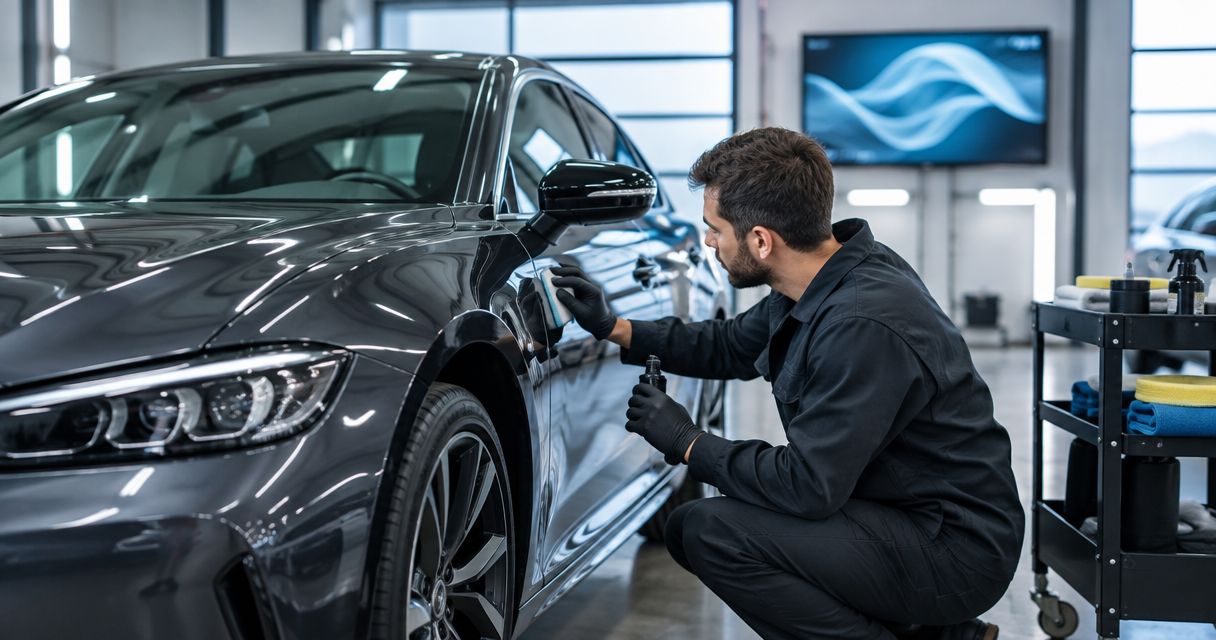
Instead of managing delivery photos, paint concerns, and coating appointments separately, use a new car PDI ceramic coating workflow that connects inspection, preparation, protection, and aftercare. Royal Touch Mobile Detailing LLC brings faith-driven service, a commitment to doing work right the first time, and experience with premium vehicles and aircraft to that conversation.
- Royal Touch Mobile Detailing LLC offers mobile detailing, paint correction, and ceramic coating for owners seeking coordinated vehicle care.
- A new car PDI ceramic coating workflow starts with documenting delivery condition, not applying protection.
- Paint correction follows inspection; new paint does not automatically need polishing.
- Follow the selected coating’s preparation and curing instructions before returning to normal washing.
Why this matters
Pre-delivery inspection, or PDI, checks a vehicle before handover. Your paint inspection complements the dealer’s process; it does not replace mechanical checks, safety checks, or warranty procedures.
A coating is not a repair for scratches, damaged paint, or unresolved delivery concerns. Document those concerns first, then decide what preparation the finish actually needs. That order keeps an appearance service separate from the dealer’s responsibility for the vehicle’s condition.
Royal Touch Mobile Detailing LLC is best for owners seeking mobile detailing, paint correction, and ceramic coating through one service provider. Discuss your vehicle and intended work with Royal Touch Mobile Detailing LLC before choosing the application setting or handover date.
For a 2026 delivery, build the plan around the vehicle’s condition and the selected coating’s instructions—not an assumed same-day finish.
Before you start
- Arrange access and responsibilities. Have your delivery paperwork, permission to inspect the vehicle, and a way to contact the dealer about damage. Confirm who handles delivery concerns and who handles cosmetic preparation.
- Prepare the working location. Agree on access, lighting, shelter, and any water or power requirements with the detailer. Mobile service does not remove the coating’s requirements for a suitable application environment.
- Identify existing treatments and special finishes. Ask whether the dealer applied wax, sealant, coating, or transport protection. Flag matte paint, wraps, paint protection film, and recently repaired panels before anyone selects cleaners or polishing methods.
The easily missed obstacle is unknown dealer-applied protection. Its presence changes preparation decisions, so ask about it before the coating appointment rather than after the vehicle is already washed.
Delivery inspection
Establish the condition record
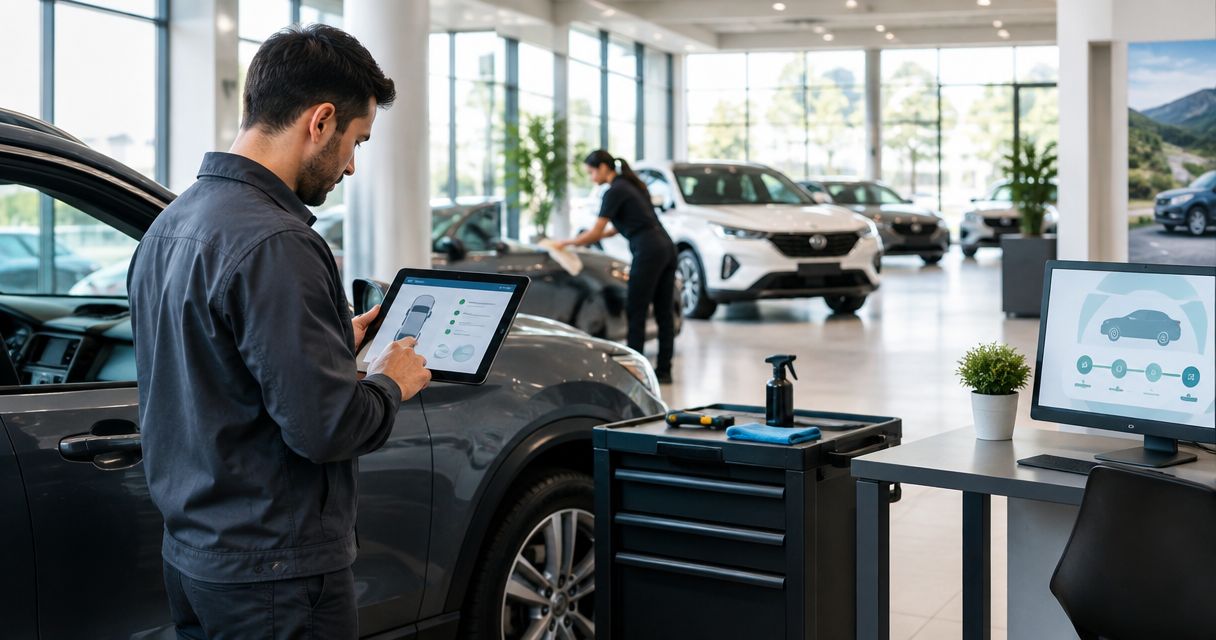
- Inspect before cosmetic work. Walk around the vehicle with the delivery representative before arranging polishing or coating. Look at painted panels, trim, glass, wheels, and visible edges without removing protective materials yourself.
- Photograph concerns. Capture an overall view and a close view of each concern. Include enough surrounding detail to identify the panel, and keep the original files with your delivery documents.
- Record what you see. Describe scratches, chips, staining, uneven reflections, or damaged trim in plain language. Avoid diagnosing the cause from appearance alone.
- Resolve the next action. Ask the dealer to record the concern and explain the proposed response. Keep disputed panels out of cosmetic work until the repair or review process is clear.
Expected result: You have a dated condition record and a clear separation between delivery issues and elective detailing.
For your 2026 PDI record, keep 3 items together: delivery paperwork, condition photos, and the agreed work scope. These are records to organize, not a substitute for the dealer’s documentation.
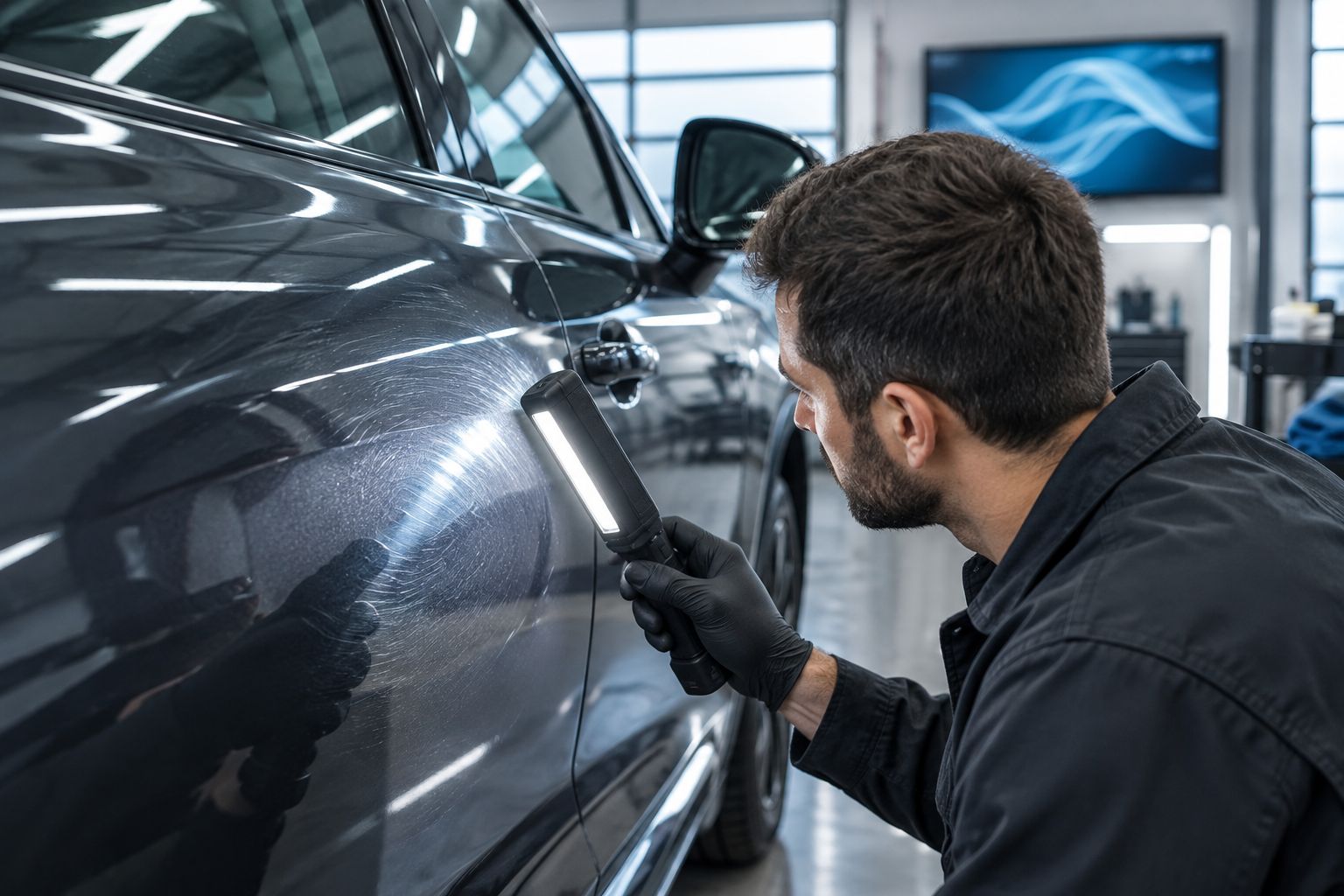
Strong reflections can hide fine defects. Inspect under suitable lighting, but avoid rubbing a dusty panel to get a better look; loose contamination belongs in the wash stage.
Set the protection goal
Choose your goal before approving preparation. A daily driver owner might prioritize easier routine cleaning; a luxury or performance vehicle owner might also prioritize the appearance of reflections under direct light.
Ceramic coating supports surface protection and maintenance, but it is not stone-chip protection or scratch-proofing. Keep that limitation in the work scope so the result is judged against the service you actually selected.
Paint preparation and correction scope
Clean before deciding
- Confirm finish compatibility. Identify surfaces that need a different method, including matte paint, wrapped sections, and film-covered panels. Do not treat every exterior surface as conventional glossy paint.
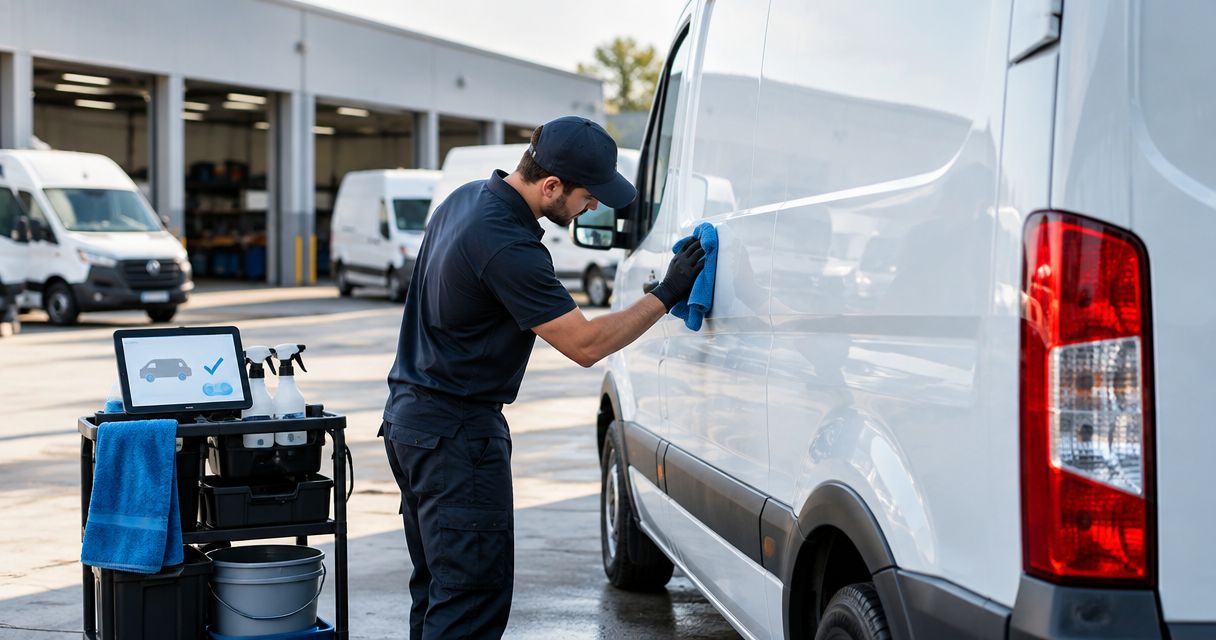
- Wash and dry safely. Have the detailer remove loose dirt using methods suited to the finish. Separate wheel-cleaning materials from paint-contact materials to avoid carrying wheel contamination onto the body.
- Assess remaining contamination. After washing, check for bonded residue and surface contamination. Select compatible chemical or mechanical removal only where needed; clay treatment is not an automatic requirement for every new vehicle.
- Reinspect clean paint. Review the finish under appropriate lighting before authorizing correction. Cleaning reveals the condition you need to assess.
Expected result: The paint is clean enough to judge, and any remaining preparation has a stated purpose.
Do not confuse a rough-feeling surface with a confirmed need for aggressive polishing. Contamination removal and paint correction address different problems, and either process needs a method appropriate to the finish.
Choose the preparation route
Use this decision table for your 2026 coating plan. Both routes require cleaning, compatible surface preparation, and an inspection before application.
| Preparation route | Best for | Advantage | Limitation |
|---|---|---|---|
| Preparation without paint correction | Owners satisfied with the clean paint’s condition | Avoids polishing when appearance does not justify it | Existing visible defects remain |
| Preparation with targeted paint correction | Owners addressing agreed, correctable cosmetic defects | Improves selected defects before protection | Adds work and removes some clear coat; not every defect is safely correctable |
Approve correction by condition, not by the word “new.” A vehicle’s age does not establish its paint quality, and a coating does not conceal every defect beneath it.
For a deeper explanation of correction intensity, read the guide to paint correction stages. Discuss the actual finish before selecting a process.
Approve the scope
- List the panels and concerns. Identify which defects the detailer will address and which remain outside the agreed work.
- Request an appropriate test area. Where correction is proposed, use a small suitable area to assess the method before extending it across the vehicle.
- Agree on acceptable limits. Leave deep defects alone when further correction would require unsafe material removal. Appearance is not a reason to disregard paint condition.
Expected result: You understand what preparation includes, what it excludes, and why.
Coating application and curing plan
Confirm readiness
- Remove incompatible residue. Follow the coating manufacturer’s surface-preparation instructions after cleaning and any correction. A glossy surface is not proof that oils or previous protection have been removed.
- Inspect the prepared surface. Check for residue, missed contamination, and moisture around seams or trim. Pause if the surface is not ready.
- Confirm application conditions. Verify that the location meets the selected product’s instructions for temperature, humidity, ventilation, and shelter.
- Define protected surfaces. Agree which painted surfaces receive coating and whether other materials need a separate compatible treatment. Do not assume paint coating belongs on every exterior material.
Expected result: The vehicle, product, and working environment are ready for the agreed application.
A mobile appointment still needs a workable site. If outdoor conditions conflict with the product instructions, arrange a suitable setting or change the appointment rather than forcing the application.
Apply and verify
- Follow product instructions. The installer should use the selected coating’s application, leveling, and inspection method rather than a generic timing rule.
- Check each completed section. Look for uneven residue or high spots—areas where excess coating has not been leveled properly—under suitable lighting.
- Complete a final walkaround. Review the finish from different angles before the vehicle leaves the controlled working area.
Expected result: The coating has been applied and inspected according to its instructions, with visible application concerns addressed.
Handover and maintenance plan
Protect the curing period
- Get written aftercare instructions. Record the product name and its requirements for water exposure, washing, and any follow-up care. Use the actual instructions, not a universal internet estimate.
- Plan the first wash. Confirm when washing is permitted and which cleaning methods are compatible. If your usual routine includes automatic brush washing, discuss a lower-contact alternative.
- Review contamination care. Ask how to handle bird droppings, insects, and other contamination during curing without damaging the finish or disrupting the coating.
- Keep the handover record. Save the service scope, product details, aftercare instructions, and completion photos together.
Expected result: You leave with usable instructions, not just a shiny vehicle.
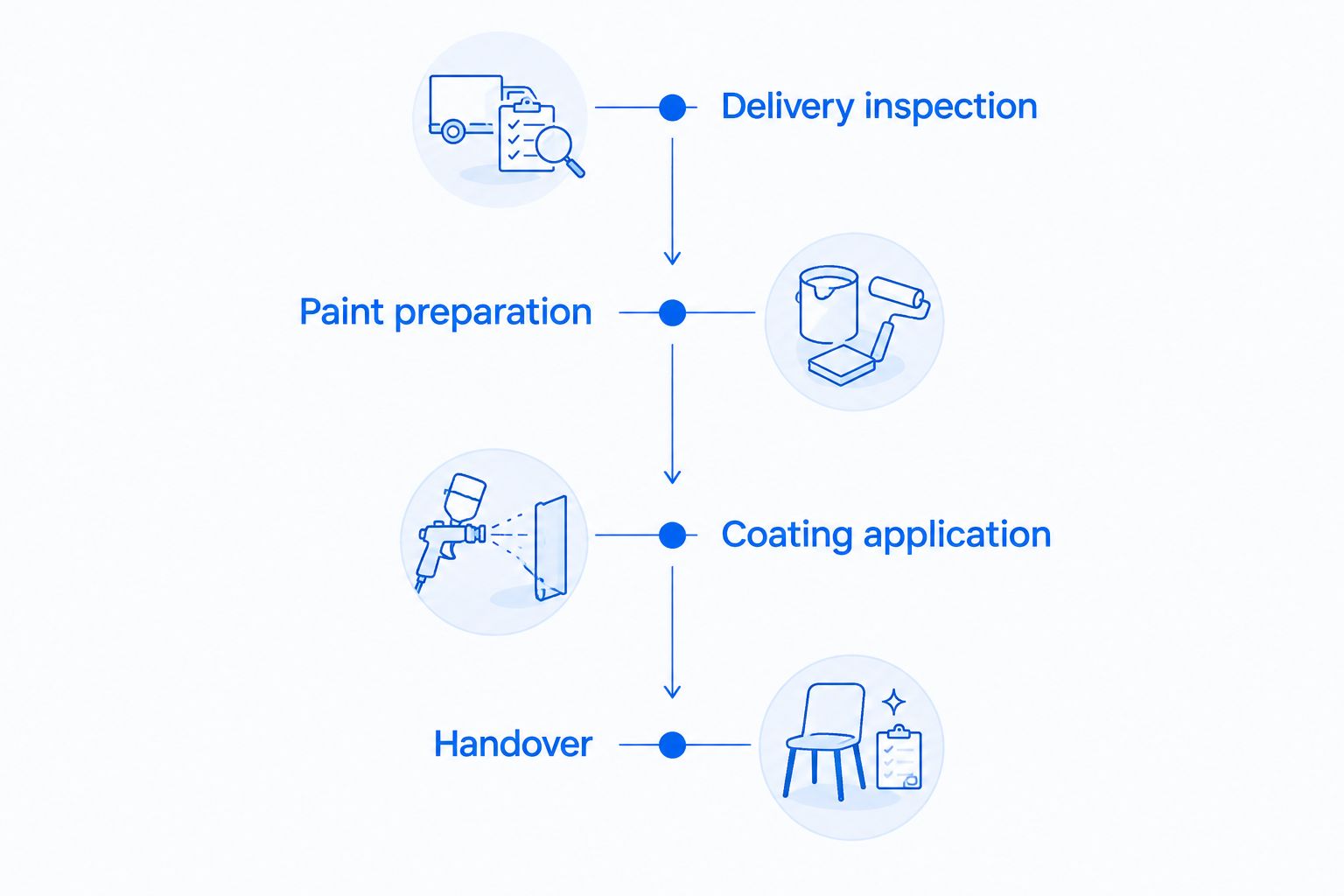
Organize the process into 4 phases: Delivery inspection, Paint preparation, Coating application, and Handover. Use 2 condition checks—before preparation and after completion—to distinguish starting defects from the finished result.
For a 2026 handover, store these records somewhere you can find them before booking maintenance. Written instructions prevent avoidable confusion when someone else washes the vehicle.
Plan your new-car protection
Discuss delivery condition, paint preparation, and ceramic coating before scheduling the work.
When delivery plans change
The same workflow works when you have already driven the vehicle home. The difference is the condition record: describe the vehicle as it stands now, and keep any earlier delivery photos separate.
- Update the inspection. Record current contamination, visible defects, and any work completed since delivery.
- Confirm previous treatments. Include dealer-applied products, home-applied protection, or repair work in the preparation discussion.
- Repeat the preparation decision. Choose correction only after cleaning and inspection, then follow the selected coating’s instructions.
If the dealer repairs a panel before coating, ask for the repair provider’s written guidance on subsequent detailing and protection. Recently refinished paint needs its own instructions; do not apply a guessed waiting period.
A changed delivery date does not change the order: inspect, prepare, protect, then maintain. Update your 2026 service plan when the vehicle’s condition or repair status changes.
Troubleshooting
- The dealer already applied protection. Ask for the product and application details. Have the installer determine compatible removal or preparation before adding another coating.
- Swirls appear after the first careful wash. Compare the clean paint with your delivery record, then discuss correction before coating. Do not assume washing caused defects that were previously hidden.
- A coated panel shows streaks or dark patches. Contact the installer promptly with photos. Do not try an abrasive cleaner; the response depends on the coating and its curing stage.
- Rain conflicts with the planned handover. Check the actual product’s water-exposure instructions and arrange appropriate shelter or revised timing. Do not substitute a generic cure-time estimate.
- A delivery defect remains disputed. Keep that panel outside elective correction until the dealer’s response is documented. Preserve the condition evidence rather than changing it through polishing.
Customize your workflow
Adapt the work scope to how you use the vehicle. Daily drivers need practical wash instructions; luxury and performance vehicle owners should also document the finish expectations that matter to them.
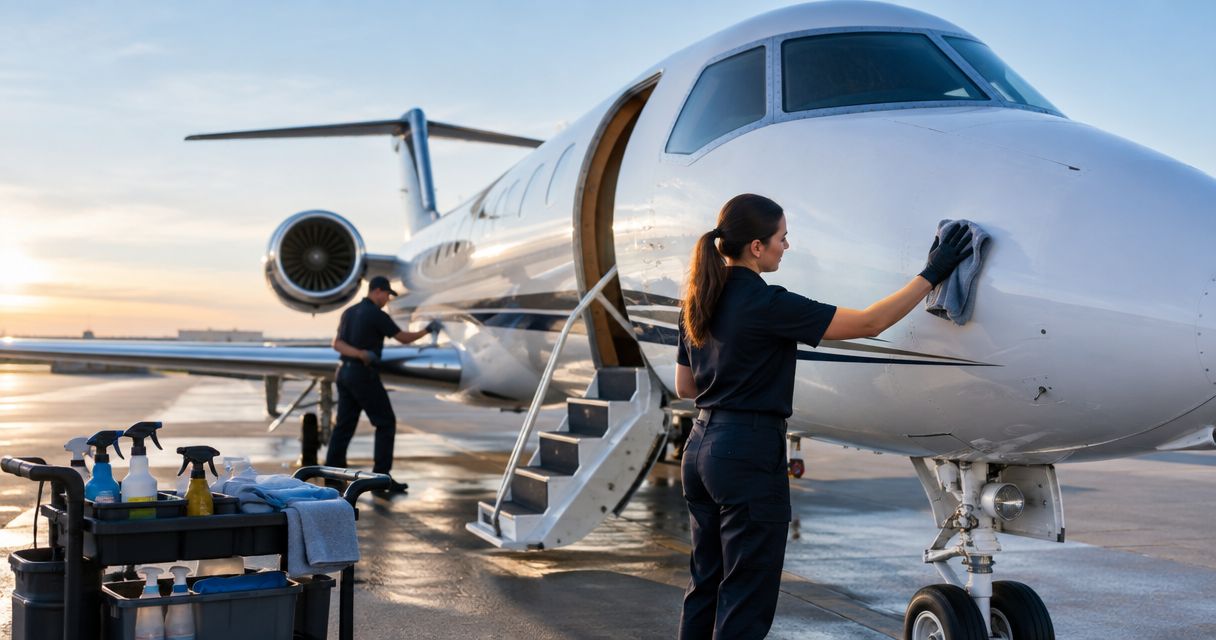
Royal Touch Mobile Detailing LLC offers auto, RV, and aviation detailing, but those categories do not share an identical preparation checklist. Aircraft owners, flight schools, and charter operators need aircraft-specific procedures rather than a car-care process transferred without review.
For any vehicle, make the plan easy to hand off: identify the protected surfaces, record the selected products, and keep maintenance instructions with the service documents. Convenience matters most when the next person caring for the vehicle knows what was done.
FAQ
What is a new car PDI ceramic coating workflow?
A new car PDI ceramic coating workflow connects delivery-condition documentation, paint preparation, coating application, and aftercare. It complements the dealer’s inspection rather than replacing mechanical or safety checks.
Does a brand-new car need paint correction before ceramic coating?
A brand-new car needs paint correction only when inspection identifies suitable defects and the agreed appearance goal justifies the work. Clean and inspect the paint before deciding; correction is not an automatic requirement.
Should I coat the car before resolving dealer delivery damage?
Resolve and document dealer delivery concerns before coating the affected panels. Elective polishing can change the condition you need the dealer to review.
Can ceramic coating stop stone chips and scratches?
Ceramic coating is not stone-chip protection or scratch-proofing. Choose it for its surface-protection and maintenance role, and discuss separate needs before approving the work.
How long should I wait before washing a newly coated car?
Wait for the period specified by the selected coating’s manufacturer and your installer’s written instructions. There is no single wash interval that applies to every coating and application condition.
Can mobile ceramic coating be applied in my driveway?
A driveway is suitable only when it meets the selected coating’s application and curing requirements. Confirm shelter, environmental conditions, access, and any utility needs before scheduling.
Can Royal Touch Mobile Detailing LLC handle preparation and coating?
Royal Touch Mobile Detailing LLC offers mobile detailing, paint correction, and ceramic coating. Discuss your vehicle’s condition and the proposed work so inspection, preparation, and protection have a clear scope.
One last thing
Ask for the maintenance instructions before approving the coating, not only at handover. If the required curing conditions or washing routine do not fit your plans, adjust the appointment before work starts.
Doing the job right the first time begins with that conversation. A clear scope and usable aftercare plan give the finish a better foundation than choosing protection by appearance alone.