Instead of chasing trade-in photos, approvals, and unfinished cleaning, build a trade-in to showroom ready detailing workflow that moves each vehicle through inspection, authorized work, and a final release check. Royal Touch Mobile Detailing LLC brings a faith-driven commitment to doing work right the first time to mobile vehicle detailing; this 2026 guide turns that service-minded approach into a practical dealership handoff process.
- Royal Touch Mobile Detailing LLC fits dealerships seeking mobile vehicle detailing with a clearly agreed service scope.
- A trade-in to showroom ready detailing workflow starts with condition photos, approval ownership, and a written work order.
- Approve paint correction separately from cleaning; ceramic coating is optional protection, not a repair.
- Release vehicles for showroom photography only after inspection, dry interiors, and documented exceptions.
Why this matters
A vehicle can look clean and still be unfinished. Damp upholstery, residue on glass, or an undocumented scratch leaves the next person guessing whether to photograph it, return it for work, or raise a repair request.
Treat showroom-ready as an approved condition, not a description of how shiny the car looks. Your appraisal record captures what arrived; your detailing record captures what changed. Keep both attached to the same vehicle.
Royal Touch Mobile Detailing LLC is best for dealerships seeking mobile vehicle detailing with a clearly agreed service scope. Start with the services described by Royal Touch Mobile Detailing LLC, then confirm the vehicle, location, and requested work before scheduling. Mobile service still needs an agreed working area and access arrangements.
Before you start
- Give the job an owner. Identify the person who authorizes detailing, the person who releases the vehicle, and whoever controls keys. Use your existing inventory record, shared worksheet, or work-order system; no new software account is required for this process.
- Prepare the vehicle record and working area. Gather the stock identifier, appraisal photos, repair notes, and requested completion date. Confirm parking access, weather arrangements, and any water or power requirements with the service provider rather than assuming them.
- Check for the hidden blocker: wet interiors. Upholstery cleaning and showroom photography are not interchangeable completion points. Agree on a drying check before starting wet cleaning, and keep mechanical defects, active leaks, suspected mold, and hazardous contamination outside a routine detailing authorization.
The bold field names below are suggested worksheet labels, not buttons in a particular software product. Create them in your existing system so everyone follows the same handoff.
Vehicle intake record
The intake record connects the appraisal to the work that follows. For your 2026 process, keep 1 vehicle record per stock number and attach later approvals to that record rather than starting disconnected message threads.
- Create the identifier. Enter the stock number and vehicle identification in Vehicle ID. Add Key location and Approval owner so the detailer does not have to track down access or permission after arriving.
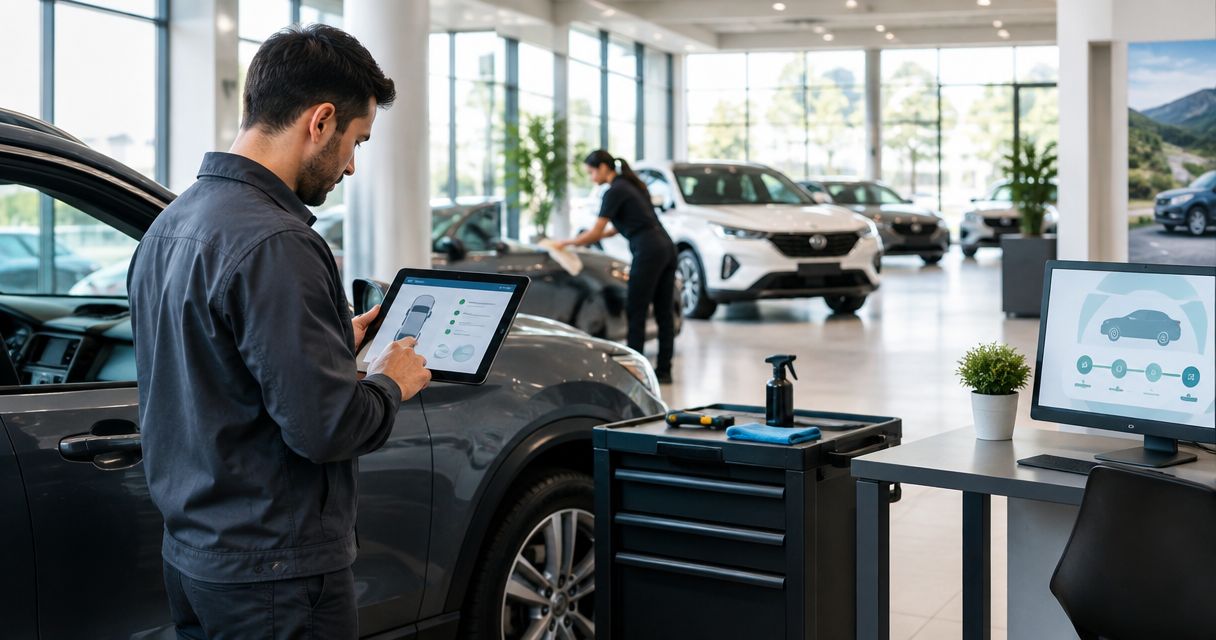
- Capture the starting condition. Photograph the exterior, wheels, seats, carpets, dashboard, and cargo area. Record visible damage, stains, odors, loose trim, and existing protective treatments in Condition notes. Describe what you observe without diagnosing an unknown cause.
- Separate appearance from repair. Put cleaning requests in Detailing scope and mechanical, electrical, bodywork, or glass concerns in Repair referral. A warning light belongs with a repair decision, not under a general request to make the vehicle presentable.
- Set the release conditions. Enter the requested date in Target release and list what must be checked in Release criteria. Include any repairs that need to finish before detailing, such as work that will leave dust or require removing trim.
Expected result: the next person can identify the vehicle, find the keys, see its starting condition, and distinguish approved appearance work from unresolved repairs.
Do not erase the appraisal photos when the vehicle looks better. Before-and-after documentation needs a starting point, especially when cleaning exposes damage that dirt previously concealed.
Approved detailing scope
Choose work from the vehicle’s condition, not from a blanket instruction to make every trade-in look identical. A daily driver with dirty carpets and a luxury vehicle with visible wash marks have different appearance needs.
| Work option | Best for | Benefit | Limitation or trade-off |
|---|---|---|---|
| Interior and exterior detailing | Vehicles needing cleaning before presentation | Removes dirt and gives you a cleaner surface to inspect | Does not repair torn upholstery, dents, or failed paint |
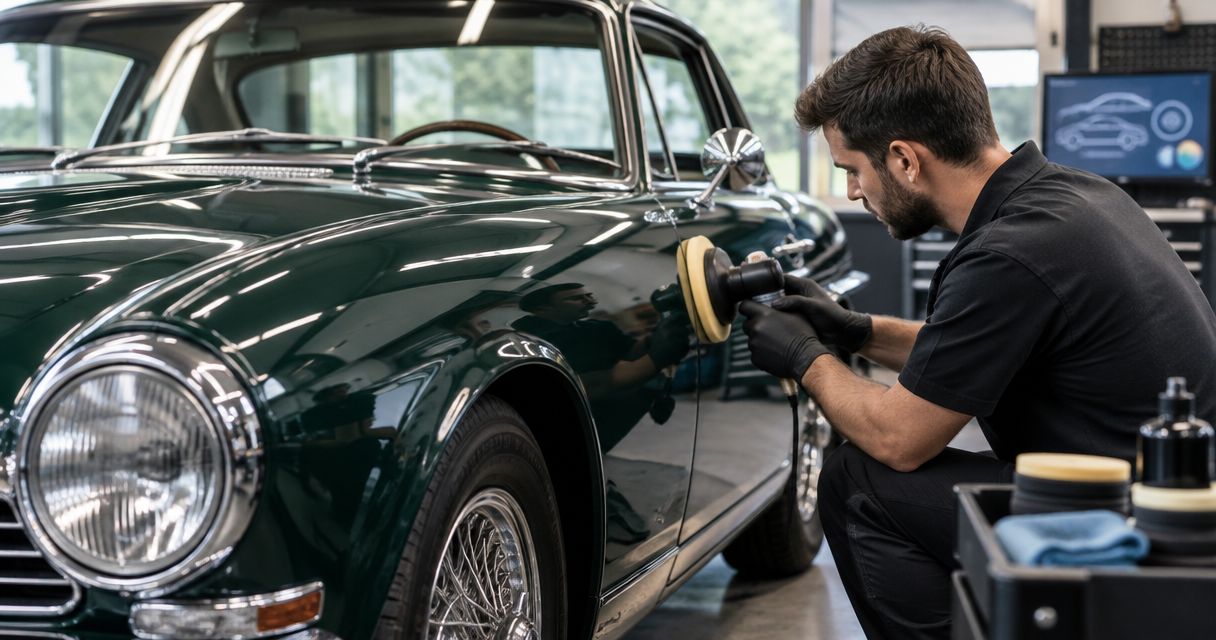
| Paint correction | Vehicles with paint defects suitable for polishing | Addresses suitable surface defects through controlled polishing | Removes some paint material; deep damage is not a polishing job |
| Ceramic coating | Vehicles with an approved long-term protection plan | Adds a protective treatment after suitable preparation | Does not replace cleaning, repair existing damage, or eliminate maintenance |
| Maintenance cleaning | Previously prepared inventory needing a refresh | Addresses new dust, fingerprints, and ordinary soiling | Does not replace a full inspection or resolve recurring contamination |
- Inspect before selecting treatment. Review the intake notes with the detailer. Ask which marks are cleaning issues, which need paint correction, and which should remain documented or move to a repair specialist.
- Write the scope plainly. In Authorized work, name the areas and services to complete. Replace vague instructions such as full treatment with specific requests: clean seat fabric, remove accessible debris, clean glass, or assess paint for polishing.
- Record exclusions and permission. Use Known exceptions for damage that will remain. Add Approved by before work begins, including a rule that extra work needs authorization rather than an assumption that the detailer should keep going.
- Match protection to the handoff. If ceramic coating is requested, confirm preparation, application conditions, and care instructions with the installer. Keep coating requirements separate from the vehicle’s basic showroom-release checklist.
Expected result: the dealership and detailer agree on the work, the limits, and who approves changes.
For a 2026 used-vehicle process, make polishing a condition-based decision. The paint correction guide for used-car dealerships provides a deeper starting point for that discussion; do not authorize correction solely because a vehicle is headed for retail.
Detailing sequence and work control
Organize the job around inspection gates rather than a fixed promise about completion time. The recommended sequence is Intake, Approval, Detailing, and Release; use these as 4 status fields or status choices in your vehicle record.
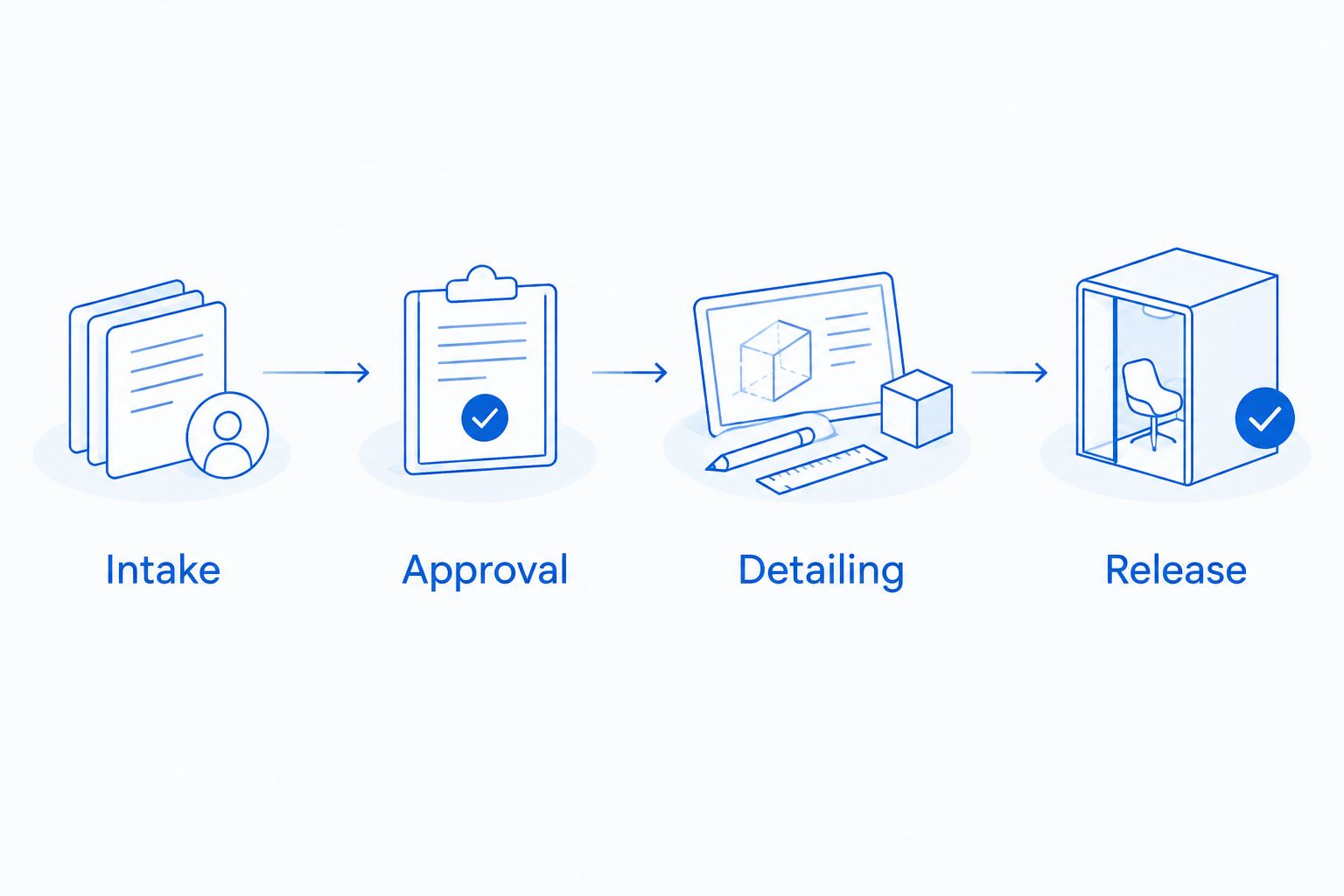
- Clear repair dependencies. Check Repair referral before starting. If scheduled work will disturb cleaned surfaces, resolve the order with the repair team. Keep the vehicle out of the detailing queue until the responsible person confirms it is ready.
- Confirm access and belongings. Verify keys, parking, and the agreed work area. Ask the dealership to remove or document personal belongings; do not treat items left in a trade-in as disposable detailing waste.
- Inspect, then clean. Follow the detailer’s material-appropriate process. Cleaning removes contamination; inspection after cleaning reveals which concerns remain. Reassess marks before escalating to stronger chemicals, more moisture, or polishing.
- Record changes during work. Put newly exposed damage, persistent odors, or an unsuitable working condition in Work notes. Send the concern to Approval owner and pause the affected task until a decision is recorded.
- Protect the finished condition. Agree where the vehicle will wait after work. Keep dirty transport mats, tools, and unnecessary handling away from cleaned areas. Record any application-specific care instructions before someone moves or washes a coated vehicle.
Expected result: the agreed work is complete, unresolved concerns are visible, and the vehicle has a controlled handoff to inspection.
Do not use fragrance as the acceptance test for an interior. A pleasant smell does not establish that upholstery is dry or that the source of an odor has been addressed. Inspect the condition itself.
Showroom release checklist
The final inspection decides whether the vehicle is ready for photography and customer presentation. For the 2026 checklist, separate 2 signoffs: Work complete and Showroom released. These are recommended controls, not claims about any provider’s existing system.
- Check the cabin. Inspect seating, carpets, door panels, cupholders, glass, and cargo areas. Look for residue, missed debris, damp materials, and cleaning products left behind. Compare remaining stains or damage with Known exceptions.
- Check the exterior. Inspect paint, wheels, trim, glass, door openings, and visible seams. Use consistent lighting, then change your viewing angle to check for streaks or residue that a straight-on look misses.
- Verify the handoff condition. Confirm that the agreed work is complete and that any coating care restrictions have been communicated. Do not release an interior that still needs drying just because the scheduled photography slot has arrived.
- Record exceptions before photography. Attach final condition photos and list remaining defects. Route unfinished detailing back to the provider; route repair issues to the responsible dealership team. Do not use editing or selective angles to conceal an unresolved condition.
- Release with a named owner. Enter the inspector in Released by and add Release date. Mark the vehicle ready only after the responsible person accepts the documented condition.
Expected result: the photographer and sales team receive a vehicle with a known condition, a completed work record, and clear remaining exceptions.
A showroom inspection does not replace a mechanical or safety inspection. Keep those decisions separate so an appearance approval is never mistaken for a roadworthiness decision.
Refresh inventory whenever its condition changes
A second workflow applies after the initial detail: maintaining presentation while the vehicle remains in inventory. Trigger this refresh after a test drive, repair visit, transport movement, or visible contamination—not simply because a calendar reminder appeared.
- Reopen the existing vehicle record and add the event in Refresh reason.
- Inspect the affected areas before requesting another full detail.
- Authorize maintenance cleaning for ordinary soiling, or send new damage and recurring odors back for assessment.
- Repeat the relevant release checks and update Release date after acceptance.
Best for: vehicles already prepared for display. The benefit is a focused scope; the limitation is that a refresh does not address an unresolved underlying problem.
For 2026 inventory handling, retain the original condition photos alongside refresh records. This keeps later damage separate from the trade-in’s documented arrival condition.
Troubleshooting
- The detailer arrives without usable access. Put key location, parking instructions, and an on-site contact in the vehicle record. Confirm the agreed working conditions before the appointment rather than leaving access decisions to arrival day.
- The cabin looks clean but remains damp. Hold photography and showroom release. Allow appropriate drying, inspect the affected materials again, and investigate leaks or repeated dampness instead of authorizing another wet-cleaning pass automatically.
- An odor returns after cleaning. Reopen the condition assessment. Check accessible areas for contamination and refer suspected water intrusion or inaccessible sources to the appropriate specialist; repeated fragrance application is not a diagnosis.
- Paint defects remain after washing. Distinguish contamination from scratches, chips, and failing paint. Ask for a correction assessment where appropriate, and record defects that cannot be addressed through the approved detailing scope.
- The vehicle gets dirty between detailing and photography. Change the staging location or handling sequence. Inspect the new contamination, authorize a focused refresh, and repeat the affected release checks rather than treating the original signoff as permanent.
Customize your workflow
Adapt the scope to the vehicle, while keeping the approval gates consistent. Daily drivers need practical cleaning and clear condition notes; luxury and performance vehicles need careful assessment of finishes, trim, and any existing protective treatments.
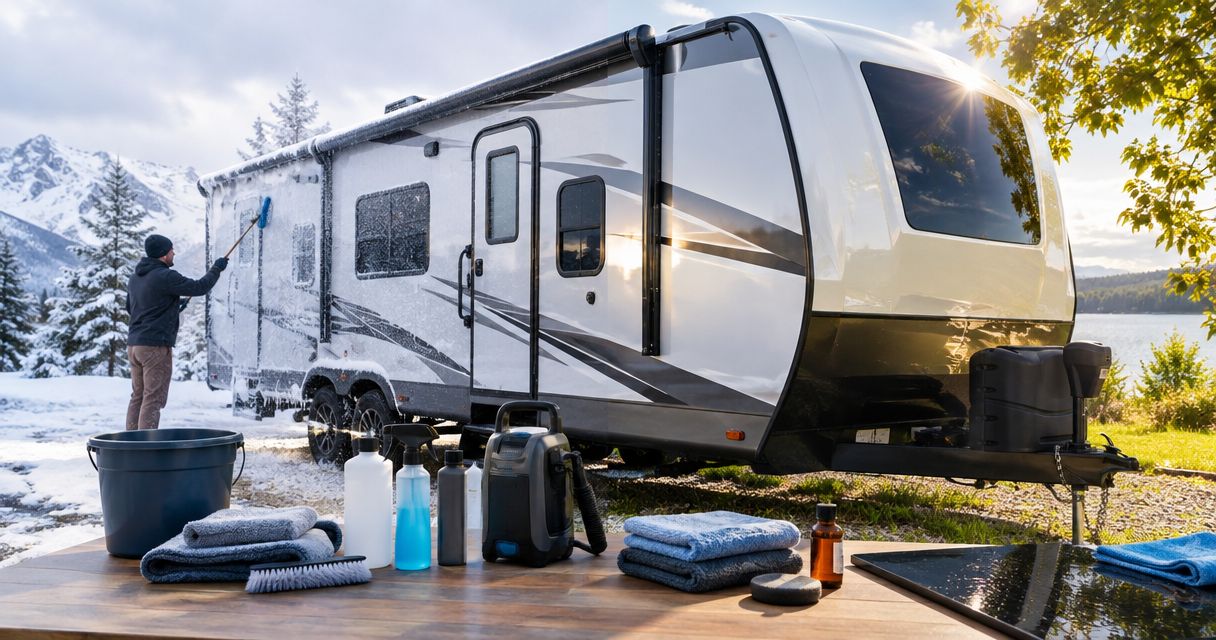
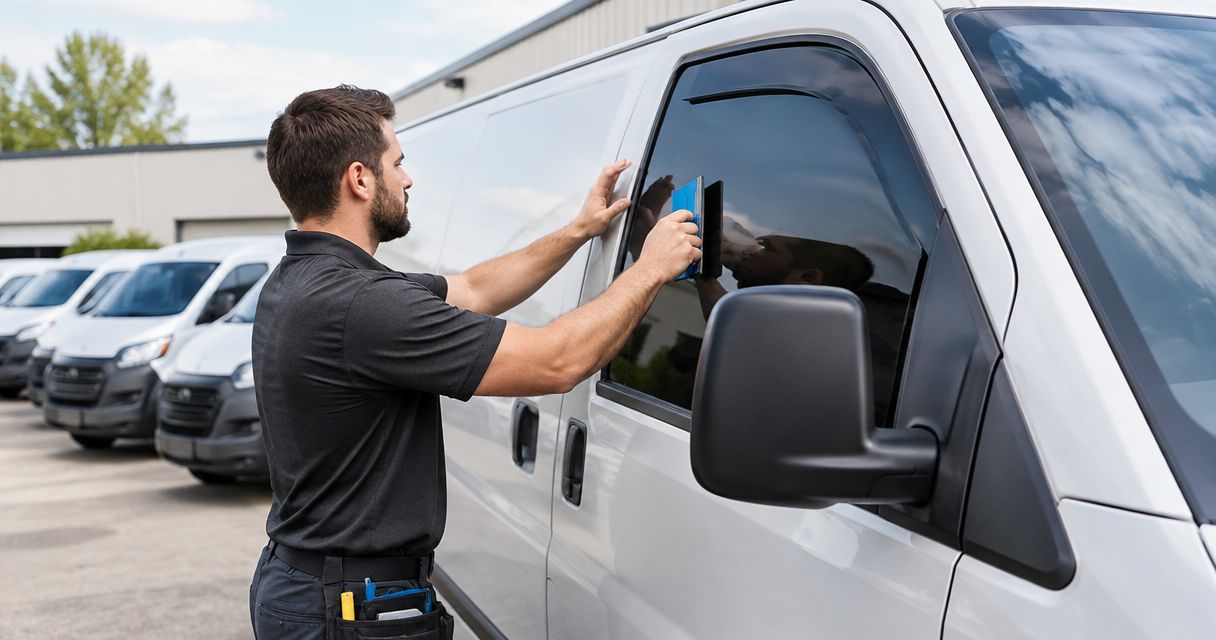
Royal Touch Mobile Detailing LLC offers auto, RV, and aviation detailing alongside ceramic coating, paint correction, and window tint. Confirm the requested work for the specific vehicle before scheduling; do not assume every service belongs in every trade-in package.
Keep aircraft work outside this automotive checklist. Private aircraft owners, flight schools, and charter operators need an aircraft-specific scope and operating requirements, not a dealership release form copied unchanged.
Discuss your vehicle detailing scope
Confirm the vehicle, working location, requested services, and handoff requirements before scheduling.
FAQ
What is a trade-in to showroom ready detailing workflow?
A trade-in to showroom ready detailing workflow connects condition recording, work approval, detailing, and final inspection. Each vehicle stays attached to a record that identifies completed work and unresolved defects.
Should a dealership detail a trade-in before appraisal?
Record the vehicle’s arrival condition before any detailing changes its appearance. Keep those photos with the appraisal record, then approve cleaning or correction according to the dealership’s process.
Does every trade-in need paint correction?
No, paint correction should follow a condition assessment rather than a standard instruction for every vehicle. Cleaning can address dirt, while polishing addresses suitable paint defects and does not repair chips or failing paint.
Can ceramic coating make a used car showroom-ready?
Ceramic coating alone does not make a used car showroom-ready. Cleaning, appropriate preparation, documented repairs, and final inspection still determine whether the vehicle is ready for presentation.
How long should a dealership allow for detailing?
Set the schedule after reviewing the vehicle condition, authorized scope, working conditions, and drying or product-care requirements. Do not substitute a fixed deadline for the checks needed to release the vehicle.
Can mobile detailing work at a dealership?
Mobile detailing can fit a dealership workflow when the provider confirms the location, access, work area, and service scope. Royal Touch Mobile Detailing LLC offers mobile vehicle detailing; confirm arrangements directly before scheduling.
Who should sign off a showroom-ready vehicle?
A named dealership release owner should accept the finished condition before photography or customer presentation. Keep that approval separate from the detailer’s work-complete record and from mechanical or safety inspections.
One last thing
A final photo documents a condition; it does not approve that condition. Make the named release decision the last gate in your 2026 process, then use photos to support it.
If a vehicle repeatedly returns from the showroom for the same issue, review the original scope and release criteria before ordering another identical service. A clearer decision at intake is more useful than asking everyone to work harder on an undefined problem.