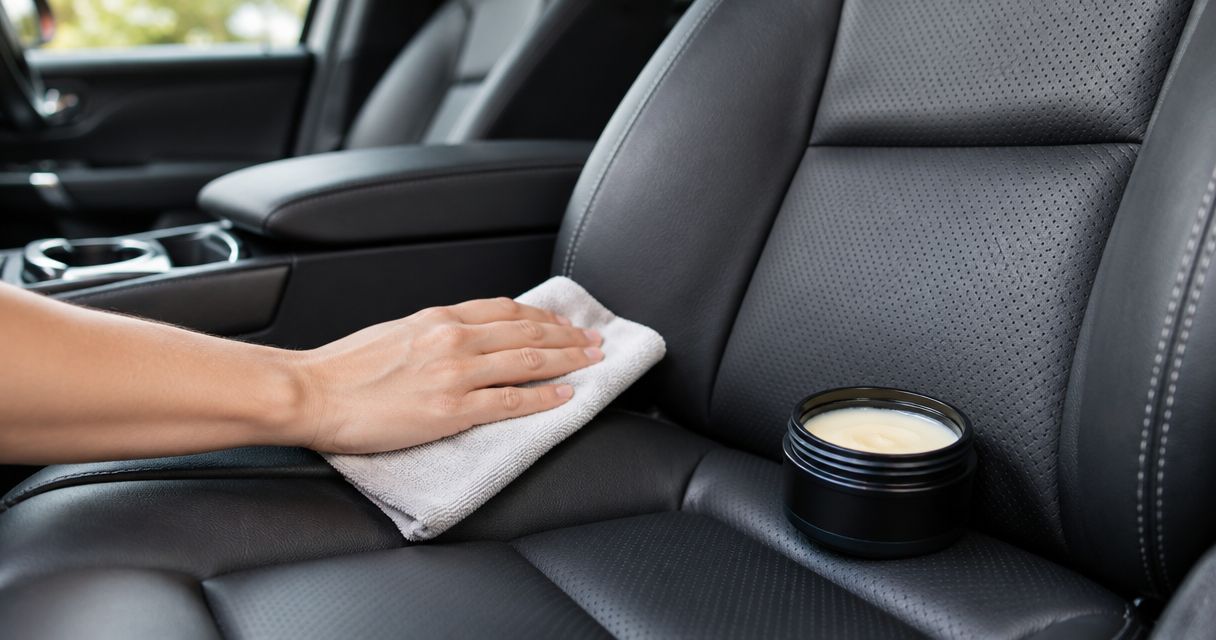
Condition leather seats on the schedule specified by your vehicle manufacturer, and only with a product approved for that upholstery; there is no single interval that suits every leather seat. Some coated leather needs cleaning and compatible surface protection rather than a traditional conditioner. Before adding another treatment in 2026, identify the seat material and check its care instructions.
- How often should leather seats be conditioned? Follow the vehicle manufacturer's instructions, not a universal calendar.
- Coated leather, uncoated leather, and synthetic upholstery need different care; identify the material before applying conditioner.
- Clean leather seats before conditioning; extra product does not repair cracks or a peeling finish.
- Royal Touch Mobile Detailing LLC offers mobile vehicle detailing for owners seeking convenient interior care.
How often should leather seats be conditioned?
Your owner's manual and the conditioner’s compatibility instructions should set the interval—not a generic monthly reminder. If the manual specifies cleaning without conditioner, follow that direction. If it recommends a leather treatment, use the stated application method and schedule.
Leather upholstery is not one uniform material. A protective finish changes what reaches the leather underneath, while synthetic upholstery is not animal leather at all. A seat can also combine different materials across its seating surface, bolsters, and back panel.
Use this comparison to decide what to check before treating your seats in 2026:
| Seat material | Best for | Main care priority | Limitation to remember |
|---|---|---|---|
| Coated automotive leather | Owners following a finish-specific routine | Gentle cleaning and manufacturer-approved surface care | A traditional conditioner is not automatically appropriate |
| Uncoated or specialty leather | Owners willing to follow material-specific instructions | Confirm the exact leather type before treatment | Incompatible liquids can change its appearance |
| Synthetic leather or vinyl | Owners seeking an alternative to animal leather | Use the upholstery manufacturer's cleaning instructions | Leather conditioner is not automatically suitable |
| Mixed-material upholstery | Owners whose seats combine leather and other trim | Identify and treat each surface separately | One product is not necessarily suitable everywhere |
For the rest of your maintenance plan, see how often you should get your car detailed. Interior detailing and leather conditioning are different tasks; needing a clean cabin does not automatically mean your seats need conditioner.
Why this matters
Faith-driven service and a commitment to doing work right the first time guide Royal Touch Mobile Detailing LLC. That approach means choosing care that fits the surface, rather than applying more product simply because a seat looks tired.
A dirty seat, a damaged finish, and leather that needs an approved treatment are different problems. Treating all of them as dryness can leave residue while the actual problem remains. Your goal is a clean, comfortable surface—not a glossy layer that hides what needs attention.
The right leather-care routine starts with identification, not application. This matters whether you drive a daily commuter, maintain a luxury vehicle, or care for an aircraft cabin.
Coated leather: follow the finish-specific instructions
Many automotive leather seats have a protective surface coating. That finish is the surface you touch and clean, so the care product must be compatible with it. Do not assume that a rich leather cream is appropriate simply because the upholstery contains genuine leather.
The benefit of a finish-specific routine is straightforward: you avoid unnecessary treatment and focus on removing dirt from the contact surface. The limitation is that the leather's appearance alone does not reliably identify the finish. Check the manual or ask the vehicle manufacturer when the material is unclear.
For coated seats, separate these decisions:
- Cleaning: Remove dirt using the approved method.
- Conditioning: Apply only if the manufacturer recommends a compatible treatment.
- Protection: Use a surface protectant only where its instructions and the vehicle's guidance allow it.
These are distinct jobs. A product that performs one does not automatically perform all of them.
Specialty leather: identify it before choosing a schedule
Uncoated and specialty leathers require particular care because liquids and treatments can affect their appearance. Suede and nubuck also need a different approach from smooth automotive leather. Do not treat a soft or expensive-looking seat as proof that a conventional conditioner belongs on it.
For a luxury or performance vehicle, look for the upholstery designation in the vehicle documentation. If a previous owner changed or repaired the seats, confirm the replacement material too. The original manual does not necessarily describe replacement upholstery.
Stop before treating an unidentified surface. Getting the material identified is more useful than choosing a conditioning interval that fits the calendar but not the seat.
Synthetic and mixed upholstery: skip automatic leather treatment
Synthetic leather and vinyl require their own care instructions. A bottle labeled for leather is not automatically suitable for these surfaces, and a conditioner cannot turn synthetic upholstery into a material that needs leather conditioning.
Mixed upholstery adds another complication. The seating panel, side bolster, piping, and surrounding trim can require different products. Keep treatment on the intended surface and avoid spreading it across adjacent materials without checking compatibility.
For your 2026 care plan, record what each seat section is made from. That small reference helps you avoid repeating the same compatibility research every time you clean the cabin.
Why leather-seat care frequency varies
Cleaning frequency and conditioning frequency are not interchangeable. Daily use can create a need for cleaning without creating a need for another layer of treatment. These factors help explain the difference:
- Material and finish: Coated leather, specialty leather, and synthetic upholstery do not share one treatment schedule.
- Manufacturer instructions: Vehicle guidance determines which methods and products are suitable for the installed upholstery.
- Daily contact: Clothing, skin oils, and transferred dirt affect how quickly contact areas need cleaning.
- Sun and heat exposure: Parking conditions belong in your overall interior-protection plan, not just your conditioner choice.
- Existing condition: Intact upholstery, worn color, cracks, and peeling finishes need different responses.
- Product directions: Application amount, drying requirements, and repeat-use instructions vary by treatment.
Do not turn these factors into a homemade formula. More sunlight or more driving does not establish a specific conditioning interval by itself. Use the information to inspect the seats and discuss an appropriate routine.
How do you clean and condition leather seats correctly?
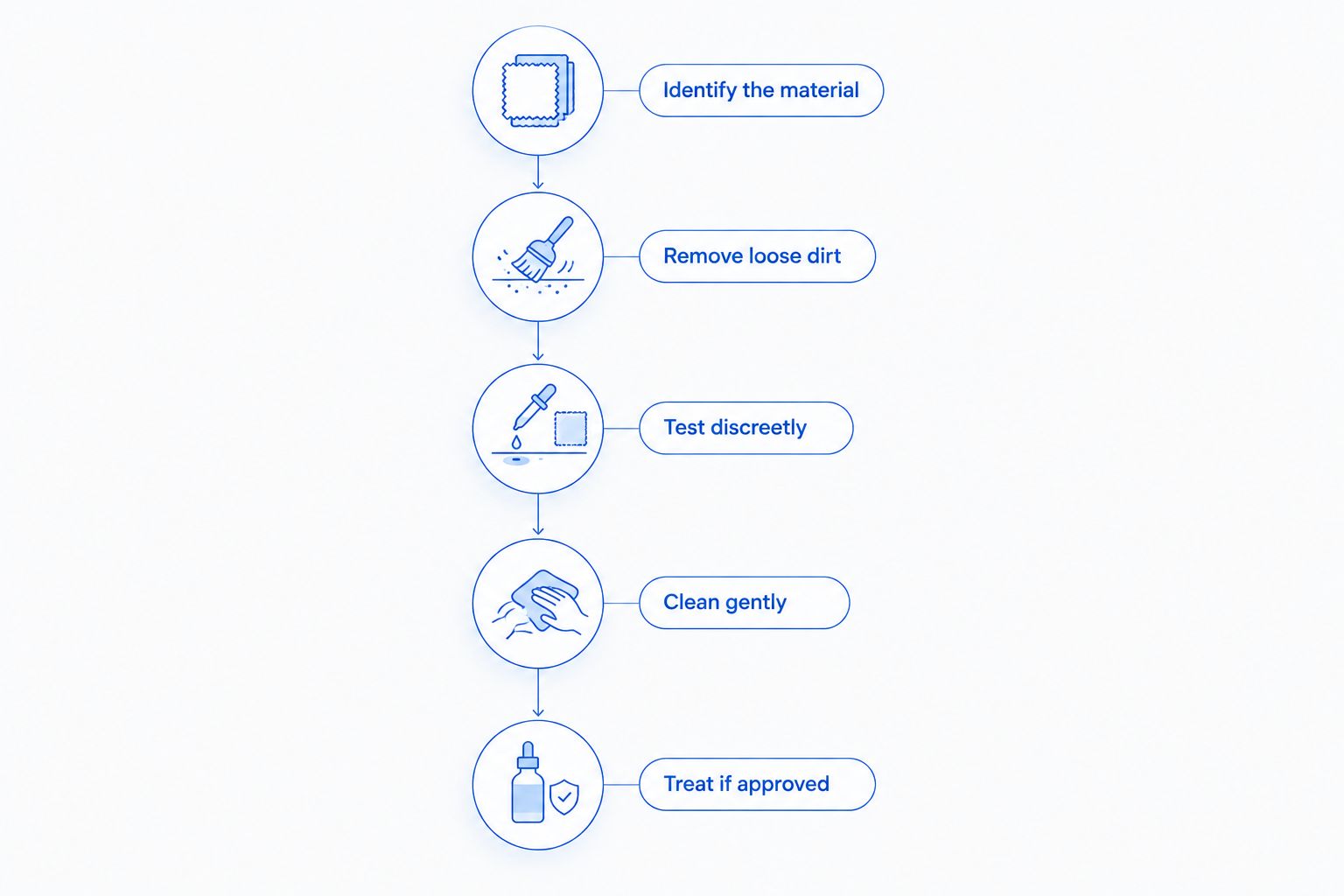
Use a controlled process that keeps moisture and product where they belong. Your vehicle's instructions take priority over any general cleaning sequence.
Identify the material
Read the upholstery-care section of the owner's manual and the product label. Confirm compatibility with perforations, contrasting trim, and any repaired areas before starting. For aircraft seating, follow the applicable aircraft and upholstery care instructions rather than assuming an automotive product is suitable.
Remove loose dirt
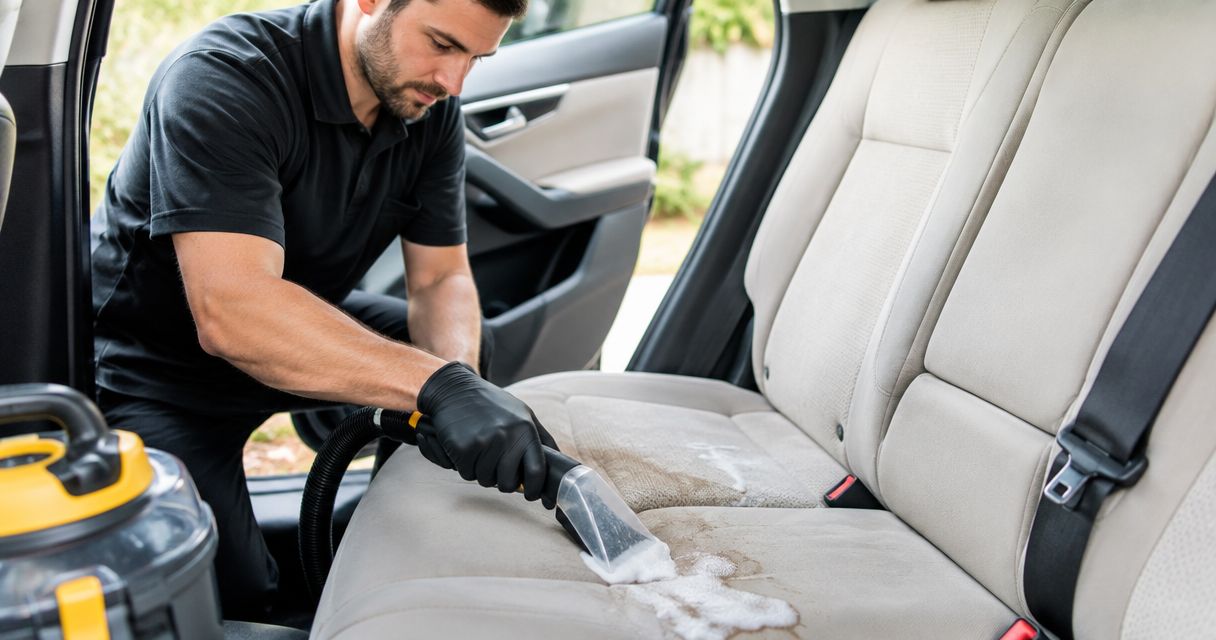
Use an appropriate vacuum attachment without dragging hard edges across the upholstery. Pay attention to seams and folds where loose grit collects. Cleaning over trapped debris adds unnecessary rubbing to the surface.
Test discreetly
Test the approved cleaner in an inconspicuous location according to its directions. Check for unwanted changes in color, texture, or appearance before continuing. A test is a precaution, not permission to ignore an incompatibility warning.
Clean gently
Work in manageable areas with the recommended cloth or applicator. Avoid soaking the upholstery, and take particular care around perforations, stitching, controls, and electrical components. Do not compensate for a stubborn mark by increasing pressure indefinitely.
Treat if approved
Let the surface reach the condition required by the treatment instructions before applying anything else. Use the stated amount, remove excess as directed, and follow the drying instructions before use. More conditioner is not a substitute for the correct product.
A useful maintenance record names the material, cleaner, treatment, and date of application. For a 2026 record, include any existing damage and the areas you tested. This gives you something more reliable than remembering whether the seats recently looked shiny.
Does shiny leather need more conditioner?
Shine alone does not prove that leather needs conditioner. Surface oils, dirt, previous products, wear, and the original finish can all affect appearance.
Start by checking the approved cleaning method rather than adding another layer. If a cleaned area still looks different from the surrounding seat, assess the finish before treating the whole panel. Repeatedly covering a change in appearance makes it harder to judge the underlying condition.
Can conditioner repair cracked or peeling leather seats?
Conditioner does not repair a split, replace missing color, or restore a peeling surface coating. Those problems require assessment for an appropriate repair or replacement approach.
Treating damaged upholstery without identifying the failure can add residue without addressing it. Photograph the affected area and describe whether the change involves color loss, an open split, or material lifting from the surface when you request advice.
When should you ask a professional for help?
Ask for help when you cannot identify the upholstery, a product changes the surface, or cleaning leaves a persistent mark. Worn bolsters, damaged stitching, and peeling areas also deserve assessment before another treatment. Professional cleaning and upholstery repair are different services; clarify which one your seat needs.
Royal Touch Mobile Detailing LLC is best for owners seeking mobile auto, RV, or aviation detailing. Its mobile service offers convenience, but detailing is not a substitute for replacing damaged upholstery or repairing a failed finish. Explain the seat material and condition before requesting service, especially for premium vehicles or aircraft.
When discussing interior care, share practical details:
- Whether the upholstery is original or has been replaced.
- Which products you have already applied.
- Whether the problem is dirt, discoloration, residue, or physical damage.
- Whether the seats are perforated or combine several materials.
This information helps keep the conversation focused on the right work rather than a generic conditioning request.
Discuss Your Vehicle's Interior Care
Ask about mobile detailing for your vehicle and describe the upholstery concerns you want addressed.
FAQ
How often should leather seats be conditioned in 2026?
Condition leather seats according to your vehicle manufacturer's instructions and the compatible treatment's directions. There is no single interval suitable for every leather type and protective finish.
Should I condition leather seats every time I clean them?
No, cleaning leather seats does not automatically require conditioning afterward. Apply a treatment only when the upholstery guidance recommends it and the product is compatible.
Do new leather car seats need conditioner right away?
New leather seats do not automatically need conditioner. Check the vehicle's upholstery-care instructions before applying a treatment to a new surface.
Can I put leather conditioner on synthetic seats?
Use leather conditioner on synthetic seats only if both the upholstery guidance and product instructions permit it. Synthetic upholstery has its own care requirements.
What's the safest way to clean perforated leather seats?
Follow the vehicle manufacturer's method and avoid soaking perforated leather. Keep excess liquid out of the holes and use compatible products as directed.
Does leather conditioner fix peeling seats?
Leather conditioner does not repair peeling upholstery or a failed surface coating. Have the material assessed before adding another treatment.
Can Royal Touch Mobile Detailing LLC help with vehicle detailing?
Royal Touch Mobile Detailing LLC offers mobile auto, RV, and aviation detailing. Describe your upholstery and its condition when asking about interior care, rather than assuming conditioning is the right treatment.
One last thing
The most useful leather-care reminder is to check the surface—not automatically add conditioner. Inspect the driver's bolster, seat seams, and frequently touched areas when you clean. Fresh dirt needs attention even when no conditioning treatment is due.
Build your 2026 routine around the instructions for your actual upholstery. A clean seat with the right care is the goal; a shiny seat covered in unnecessary product is not.