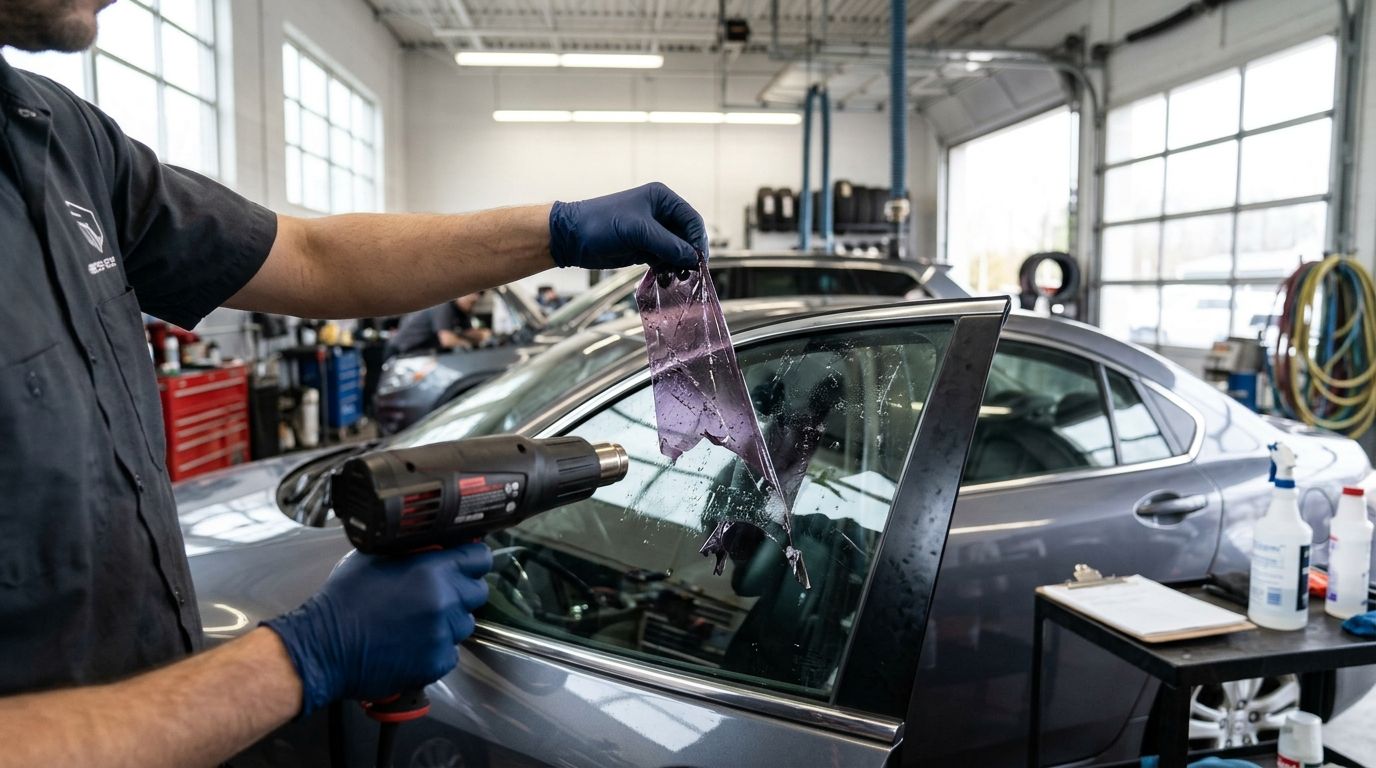
Window tint removal requires a vehicle-specific quote in 2026; the scope depends on which windows need attention, the condition of the film, and the adhesive left behind. Ask whether the quote includes adhesive cleanup and whether replacement tint is a separate service before you approve the work.
- How much does window tint removal cost? Get a vehicle-specific quote covering film removal and adhesive cleanup.
- Royal Touch Mobile Detailing LLC offers window tint services; confirm removal scope before scheduling.
- Rear-window defroster lines need special care during old tint removal.
- Compare removal-only and removal-with-replacement quotes using the same windows and cleanup requirements.
Why this matters
Royal Touch Mobile Detailing LLC brings a faith-driven approach to vehicle care, with a commitment to doing work right the first time and experience serving premium vehicles and aircraft. For window tint work, that means starting with a clear conversation about your vehicle, your concerns, and the finish you want—not choosing a service by its headline alone.
Old film and leftover adhesive are different parts of the same job. Understanding whether old window tint can be removed and replaced helps you explain what you need before requesting an estimate.
Compare the complete scope, not just the removal line. A quote that covers peeling film but leaves adhesive cleanup unresolved does not describe the same finished result as clean glass ready for inspection or replacement tint.
How much does window tint removal cost?
Window tint removal needs an estimate tied to your actual vehicle and the windows involved. A useful quote identifies the glass being treated, includes the agreed cleanup, and separates any new film installation from removal.
For a 2026 estimate, ask the provider to break the work into these parts:
| Quote component | What it covers | What to confirm |
|---|---|---|
| Film removal | Taking existing aftermarket film off the specified windows | Exactly which panes are included |
| Adhesive cleanup | Removing residue left after the film comes off | Whether cleanup is included in the removal scope |
| Glass inspection | Checking the exposed glass and noting existing concerns | How scratches, damaged lines, or other issues will be documented |
| Replacement installation | Applying new film after suitable preparation | Whether this is requested and quoted separately |
| Access arrangements | Where and how the vehicle will be worked on | Location requirements and any separate arrangements |
Tell the provider whether you want bare glass or new tint afterward. Those are different endpoints, even when the first part of the work is identical.
Do not assume that an installation estimate includes taking off old film. Ask for removal to appear in the written scope so you can compare proposals without guessing what each one covers.
Removal only: best for returning to bare glass
Removal only is best for owners who want the existing aftermarket film gone without installing new film. That includes drivers who dislike the current tint, want to address damaged film, or need the glass assessed before deciding what comes next.
The benefit is a clear stopping point: remove the agreed film and clean the glass. The limitation is that removing aftermarket film does not change factory-colored glass, which is part of the glazing rather than a peel-off layer.
Ask the provider to identify what is on the vehicle before work starts. If your goal is a lighter appearance, confusing factory-colored glass with applied film can lead to the wrong expectations.
Removal and replacement: best for changing your tint
Removal and replacement is best for owners who want new film rather than bare glass. The practical benefit is planning surface preparation and installation together, with the intended finished appearance discussed upfront.
The limitation is a broader scope. You need to agree on the replacement film, the windows being covered, applicable tint requirements, and aftercare—not just removal.
| Service choice | Best for | Main benefit | Main limitation |
|---|---|---|---|
| Removal only | Returning to bare glass | A defined endpoint without new film installation | Does not remove color built into factory glass |
| Removal and replacement | Changing existing aftermarket tint | Coordinates removal, preparation, and new film | Requires additional installation decisions and aftercare |
If only part of the existing tint is being replaced, discuss appearance across the vehicle. New film and retained film are not automatically an exact visual match, particularly when the existing film has changed with age.
Why window tint removal quotes vary
The right estimate follows the condition of the vehicle, not just its body style. These factors explain why a description such as “remove the tint” leaves too much unanswered:
- Windows included. A quote for selected side windows is not the same scope as one covering side glass, quarter windows, and rear glass. List each pane rather than relying on “all windows.”
- Film condition. Intact film and brittle, peeling, or separating film present different removal conditions. Send clear photographs of visible damage.
- Adhesive residue. Film removal can leave adhesive on the glass. The agreed result should address residue rather than treating it as an afterthought.
- Rear-glass features. Defroster lines and glass-mounted antenna elements need consideration during removal. Identify any existing damage before work begins.
- Access to the glass. Tight corners, nearby trim, and difficult interior access affect how the technician approaches the work. Clear belongings away from the working area.
- Your intended finish. Bare glass and glass prepared for new film are different service endpoints. State your goal when requesting the estimate.
Describe the condition before comparing quotes. If one provider knows about peeling rear film and another receives only a vehicle model, the estimates are not based on the same information.
What should you send for a window tint removal quote in 2026?
Send a short description and useful photographs before making arrangements. This gives the provider a clearer starting point, although an in-person inspection can still be necessary to confirm the scope.
- Vehicle details. Give the make, model, body style, and model year. Mention unusual glass or aftermarket modifications that affect access.
- Window list. Identify the specific panes needing removal. Say whether the windshield, rear glass, small fixed panes, or only opening side windows are involved.
- Film condition. Describe bubbling, peeling, discoloration, or sections already removed. Photograph both the overall window and the damaged area.
- Glass features. Mention rear defroster lines, visible antenna elements, and any features you are unsure about. Do not assume every dark window has removable film.
- Desired finish. Say whether you want bare glass, replacement tint, or an assessment before deciding. Include the service location when asking about arrangements.
Keep the request factual rather than diagnosing the removal method yourself. A photograph of peeling film tells the provider more than a guess about how easily it will come off.
For rear glass, include a view that shows the whole window. Close-ups help explain local damage, but they do not show access, the overall film condition, or the extent of the work.
How do you compare window tint removal estimates in 2026?
Match every estimate to the same written window list and finished condition. Otherwise, a shorter scope can look more attractive simply because it leaves work out.
Ask these questions before approving a service:
- Does the estimate include all the windows I listed?
- Is adhesive cleanup included?
- What condition should the glass be in when removal is complete?
- Will existing glass or defroster damage be documented first?
- Is replacement tint included, excluded, or still undecided?
- What happens if inspection reveals a different condition than the photographs showed?
A clear answer explains the work without promising that old film will behave a certain way. Avoid treating a confident prediction as a substitute for an inspection and an agreed scope.
Keep the written estimate and the photographs together. They give you a shared reference if you need to clarify whether a particular pane, residue area, or replacement request was included.
Can you remove window tint yourself?
Professional removal is the better choice when you are concerned about rear defroster lines, difficult access, or deteriorated film. Doing it yourself gives you control over the process, but it also puts tool selection, chemical compatibility, and damage risk in your hands.
Peeling a loose corner does not establish that the rest of the film will release cleanly. It can also leave you with a partly stripped window and adhesive that still needs attention.
Do not use a blade across exposed defroster lines or apply a household chemical without checking its compatibility with the glass, trim, and surrounding materials. For rear glass or uncertain glazing, stop and get a professional assessment rather than experimenting.
Does removing tint damage rear-window defrosters?
Tint removal can damage rear-window defroster lines if the lines are scraped or disturbed during the work. Existing damage also matters, so the condition before removal deserves attention—not just the condition afterward.
Ask how the provider handles rear glass and how pre-existing concerns will be recorded. If the defroster already has a problem, say so before removal begins.
A careful service discussion acknowledges this risk without promising a damage-free outcome. The goal is an informed decision and a suitable method for the glass involved.
Should you replace tint immediately after removal?
Replacement tint should follow suitable glass preparation and inspection, not simply the removal of the visible film. Remaining adhesive or unresolved glass concerns need attention before a new installation proceeds.
If you are replacing tint to address a compliance concern, confirm the current requirements for your vehicle and location before choosing new film. Do not select replacement tint by appearance alone.
For a 2026 replacement appointment, ask for the installer's aftercare instructions before collecting the vehicle. Removal and installation are separate stages, and new film brings its own care requirements.
Where Royal Touch fits
Royal Touch Mobile Detailing LLC is a fit for vehicle owners seeking window tint services from a family-owned mobile detailing company. Its stated services include window tint, auto detailing, paint correction, ceramic coating, RV detailing, and aviation detailing.
For a tint removal request, contact Royal Touch Mobile Detailing LLC to confirm whether the specific removal work is offered and what information is needed for an estimate. The company serves North Carolina and parts of Virginia and South Carolina; confirm arrangements for your location rather than assuming coverage.
The practical benefit is discussing tint alongside your wider vehicle-care goals. The boundary is equally important: a window tint service listing does not establish a removal method, appointment duration, or suitability for every type of glazing.
Discuss Your Window Tint Needs
Share your vehicle, affected windows, and film condition to confirm the appropriate service scope.
FAQ
How much does window tint removal cost in 2026?
Window tint removal requires a vehicle-specific quote covering the selected windows, film condition, and adhesive cleanup. Ask whether replacement tint and any separate service arrangements are included before approving the estimate.
Is adhesive removal included when old tint comes off?
Adhesive removal is included only when the agreed service scope says so. Ask for film removal and adhesive cleanup to be identified together so the finished condition is clear.
Is rear-window tint removal the same as side-window removal?
Rear-window tint removal needs separate consideration because the glass can have exposed defroster lines or antenna elements. Ask the provider to assess those features and document existing damage before work begins.
Can I remove factory tint to make my windows clear?
Factory-colored glass cannot be peeled off like aftermarket window film. Have the provider identify whether the darkness comes from applied film or the glass itself before requesting removal.
Can new tint go over adhesive left by old film?
New film needs a properly prepared surface, so leftover adhesive should be addressed before installation. Confirm that preparation is part of the removal-and-replacement scope.
How long does removing window tint take?
Window tint removal needs a condition-based scheduling estimate rather than an assumed appointment length. Share the window list and photographs, then confirm timing after the provider reviews the work.
Should I remove peeling tint before asking for an estimate?
Leave peeling tint in place until the provider has assessed it. Photograph the condition and avoid creating a partly stripped window that still needs adhesive cleanup.
One last thing
Start with the rear glass when discussing risk, even if the side windows are what first caught your attention. A visible bubble is easy to describe; the condition of defroster lines beneath old film deserves a separate conversation.
Before you approve removal, ask the provider to repeat the agreed endpoint: bare glass or glass prepared for replacement. That simple distinction keeps your request focused on the result—not just getting the old film off.